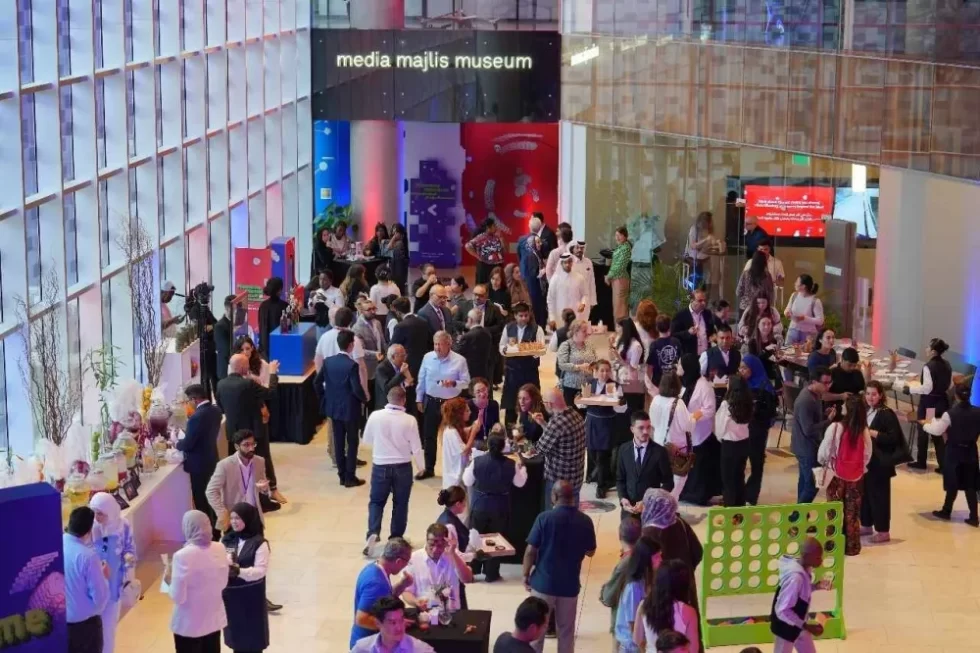
The Media Majlis at Northwestern University in Qatar has wrapped up its widely discussed exhibition focused on the cultural power of memes, closing a program that drew significant attention from students, researchers and regional audiences. The exhibition explored how memes shape communication, influence public opinion and reflect the evolving digital language of younger generations. Organisers say the event exceeded expectations in both attendance and engagement.
Throughout its run, the exhibition highlighted how memes have become a central part of global storytelling. Panels and interactive displays showcased the role of humor, remix culture and viral formats in shaping online identities. Visitors were encouraged to examine how memes travel across borders and how they can shift meaning depending on cultural or political context. The approach helped demystify meme culture for audiences unfamiliar with its broader social impact.
Students played a major role in driving discussions around the exhibition. Workshops connected academic research with real time social trends, showing how memes influence everything from journalism to political communication. Faculty members noted that the exhibition helped bridge traditional media studies with the emerging field of digital culture. For many attendees, it was an opportunity to understand how Gen Z uses memes not only for entertainment but also for commentary and activism.
One of the exhibition’s most popular sections focused on the lifecycle of viral content. Displays traced how images and formats are remixed repeatedly across platforms such as TikTok, Instagram and Twitter. Curators emphasized that this rapid evolution is what gives memes their communicative power. The exhibition also addressed the potential risks, including the spread of misinformation when memes are used without context.
The Media Majlis reported strong participation from schools, cultural groups and academic institutions across Qatar. Visitors praised the exhibition’s interactive format, including digital screens that allowed guests to create and analyze memes in real time. The hands on activities sparked conversations about creativity, digital literacy and the importance of understanding online communication tools.
Organisers say the success of the exhibition reflects growing interest in modern digital expression. As societies become more interconnected online, understanding the cultural and social dynamics behind memes has become increasingly important. The Media Majlis plans to continue developing programming that explores the intersection of media, technology and identity.
With the exhibition now concluded, NU-Q officials described it as a milestone in regional media education. They believe the event has helped expand public understanding of how digital humor influences global communication. The Media Majlis expects future exhibitions to build on this momentum as it continues examining the media forces shaping contemporary culture.