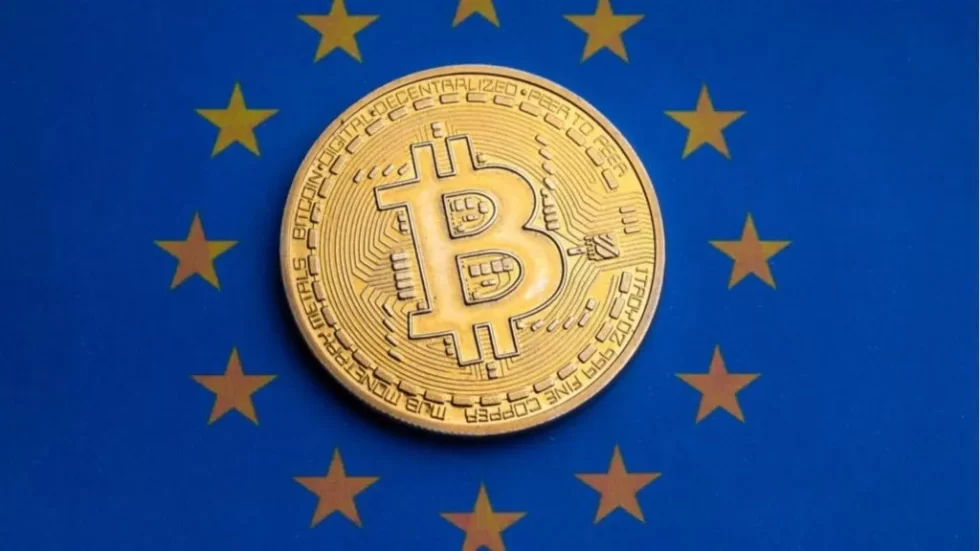
The European Union is entering a new phase of digital asset regulation, and stablecoins are at the center of the conversation. As the EU implements updated rules designed to bring clarity and accountability to the crypto sector, countries like Portugal must adapt quickly. These changes are not just regulatory updates; they represent a shift toward a more structured and transparent digital economy. Portugal’s exchanges, platforms, and users are adjusting to a regulatory landscape that prioritizes stability, consumer protection, and financial oversight.
Stablecoins play a major role in global digital markets because they offer price stability and are often used for trading, payments, and transfers. bringing new rules into effect, the EU aims to reduce risks while supporting innovation. For Portugal, the challenge lies in integrating these standards smoothly and ensuring local platforms evolve without losing their competitive edge.
Why Stablecoin Regulations Matter for Portugal
The most important impact of the EU’s stablecoin rules on Portugal is the creation of a clearer operational framework. Exchanges must now meet stricter requirements around transparency, reserves, and reporting. These rules ensure that stablecoin issuers maintain sufficient backing and operate responsibly. For Portugal’s platforms, this means upgrading compliance systems, improving auditing processes, and adapting their listing criteria. While these changes require effort and investment, they also help strengthen confidence among users and institutional partners. A transparent environment encourages long-term stability and aligns Portugal with broader EU financial goals.
Stronger Consumer Protections
One of the core elements of the new stablecoin rules is enhanced consumer protection. Exchanges operating in Portugal must clearly disclose how stablecoins are backed, where reserves are held, and how risks are managed. This transparency helps reduce uncertainty for everyday users. People who rely on stablecoins for payments or transfers benefit from clearer safeguards and dispute resolution mechanisms. Stronger consumer trust can increase participation in the digital asset ecosystem, helping Portugal remain a welcoming environment for responsible crypto activity.
Compliance Requirements Reshaping Platform Operations
Portuguese exchanges are implementing new compliance standards related to capital requirements, reserve verification, and operational transparency. These adjustments require technological upgrades and closer coordination with auditors and regulatory authorities. Platforms must ensure that stablecoins listed on their exchanges meet EU-backed criteria. While this may limit which tokens can be supported, it also reduces exposure to high-risk assets. The result is a more stable trading environment that aligns with European financial norms. These compliance changes mark an important step toward the professionalization of Portugal’s crypto sector.
Impacts on Innovation and Market Growth
Although the new rules introduce more structure, they do not restrict innovation. Instead, they create a safer environment for experimentation reducing systemic risks. Portugal’s blockchain developers, Web3 teams, and fintech startups benefit from clearer guidelines that support sustainable growth. Stablecoin compliance encourages partnerships between traditional financial institutions and crypto projects, opening the door to new digital payment systems and cross-border solutions. With a stable regulatory framework, innovation can grow with confidence. This is especially important for Portugal as it strengthens its international presence in the digital economy.
Role of Banks and Financial Institutions
As stablecoins become more regulated, traditional financial institutions in Portugal may take a greater interest in digital currency use cases. The new rules create opportunities for banks to collaborate with exchanges on payment systems, custodial services, and digital transaction infrastructure. Clearer guidelines reduce risk barriers that once discouraged financial institutions from exploring digital asset partnerships. These collaborations could accelerate digital transformation across Portugal’s financial sector, making services more efficient and secure.
Market Behavior Adjusting to New Standards
The introduction of stablecoin regulations also influences how users and investors behave. With more transparency and higher standards, traders may gravitate toward regulated tokens and avoid alternatives with unclear backing. This shift can create a healthier market environment where risks are easier to identify. Portuguese exchanges will play a key role in educating users about these changes and guiding them through the new regulatory landscape. As the market adapts, trading patterns may become more predictable and less vulnerable to uncertainty.
Conclusion
EU stablecoin rules are reshaping Portugal’s exchanges bringing clearer standards, stronger consumer protections, and improved transparency. These changes help build a more stable digital environment while supporting innovation and long-term market confidence.