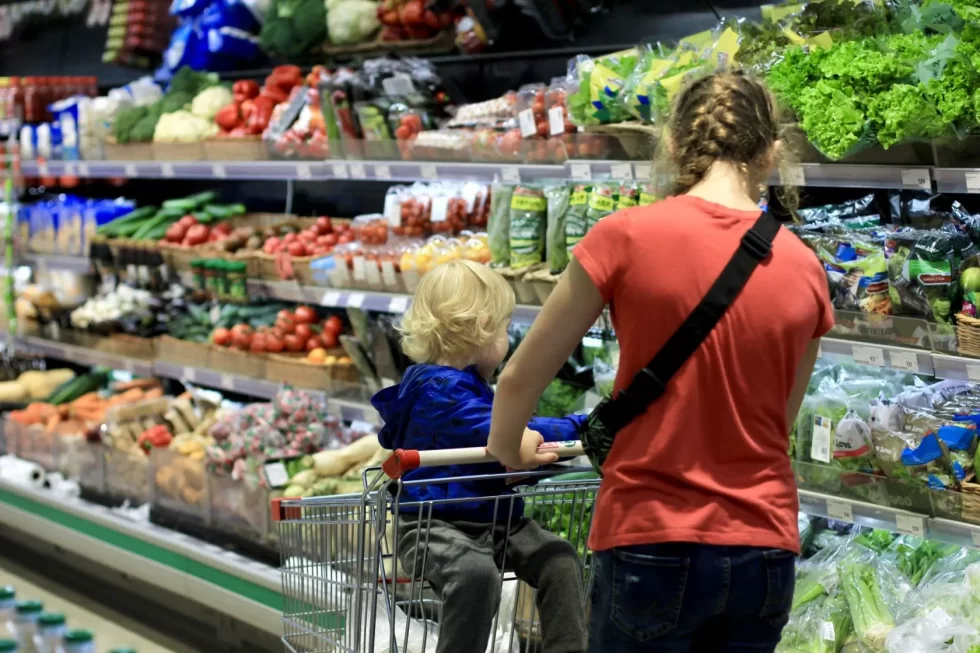
The cost of groceries in Portugal has risen once again, prompting concerns among households already navigating higher living expenses. Shoppers across the country are noticing increased prices on essential items such as fresh produce, dairy, bread, and packaged foods. As inflationary pressures persist, many families are adjusting their budgets and reconsidering purchasing habits to cope with the rising cost of everyday essentials.
The latest price increases reflect a combination of global supply chain challenges, domestic economic pressures, and shifts in consumer demand. While authorities emphasize that inflation is stabilizing compared to previous years, grocery costs remain a sensitive issue for many Portuguese residents. Understanding the key factors driving these increases is essential for shaping policy responses and supporting households.
Supply chain and import costs continue to influence prices
The most important factor driving the rise in grocery prices is the continued pressure on global supply chains. Although international shipping conditions have improved since the peak of global disruptions, transport and import costs remain elevated. Portugal relies heavily on imported food products, making the country particularly sensitive to fluctuations in global logistics and commodity prices.
Rising costs of fuel, packaging materials, and agricultural inputs also contribute to higher prices across supermarkets. Many suppliers are passing these additional expenses onto retailers, who in turn are forced to adjust shelf prices. This chain reaction affects basic goods the most, impacting families who rely on staple items for daily meals.
Extreme weather impacts harvests and domestic food production
Another significant contributor to rising grocery prices is the impact of extreme weather on agricultural output. Portugal has experienced irregular rainfall patterns, extended heatwaves, and seasonal disruptions that have affected crop yields. Lower production of fruits, vegetables, and grains results in reduced supply and higher market prices.
Farmers across the country are facing increased operational costs as they adapt to unpredictable weather conditions. Investments in irrigation, soil maintenance, and climate resilience add financial pressure, which can influence the final price of food. The agricultural sector’s vulnerability highlights the broader challenges posed climate change on food affordability.
Increased demand shifts market dynamics
Consumer behavior is also playing a role in price changes. As the Portuguese economy gradually stabilizes and tourism activity increases, demand for food products has risen across both urban and coastal regions. This heightened demand places additional strain on supply chains, particularly during peak travel seasons when supermarkets experience higher foot traffic.
The continued rise of online grocery shopping is also altering market dynamics. While digital platforms offer convenience, they sometimes involve additional logistics costs that influence final pricing. Retailers must balance convenience with cost management as consumer preferences evolve.
Retailers adjust pricing strategies to manage operational expenses
Retailers are navigating higher operating expenses, including energy costs, labor shortages, and increased logistics fees. Supermarkets and local shops have adjusted pricing strategies to maintain profitability while managing these rising expenses. Although many retailers attempt to absorb some costs, persistent economic pressures make price adjustments unavoidable.
Some chains are introducing expanded discount programs, loyalty rewards, and budget-friendly product lines to support customers during inflationary periods. However, these initiatives cannot completely offset the broader challenges driving cost increases. Retailers are closely monitoring consumer behavior to ensure pricing strategies remain competitive and fair.
Government explores measures to support households
In response to rising grocery prices, the Portuguese government is exploring new measures to support households, particularly those with lower incomes. Potential solutions include temporary tax reductions on essential food items, subsidies for agricultural producers, and expanded social support programs. These initiatives aim to reduce financial strain while ensuring continued access to nutritious food.
Authorities are also working with industry groups to track price trends and identify areas where intervention may be necessary. Transparent communication between government, retailers, and producers is seen as a key factor in stabilizing the market and supporting families through ongoing economic pressures.
Conclusion
Grocery prices in Portugal continue to rise due to a mix of global supply chain pressures, climate-related production challenges, shifting consumer demand, and higher retail operating costs. While inflation is moderating overall, the cost of essential food items remains a significant concern for households. As government and industry leaders explore strategies to ease financial strain, understanding the underlying causes will be crucial to building a more stable and affordable food system.