






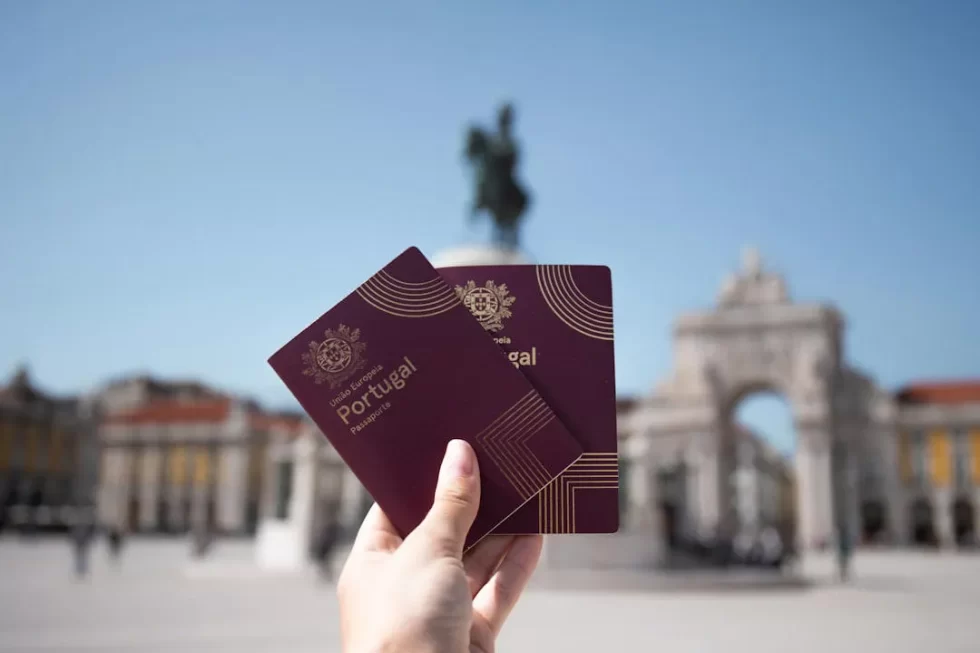
Internet culture is playing an increasingly visible role in redefining Portugal’s urban identity in 2025, particularly in major cities such as Lisbon and Porto. Digital platforms influence how neighborhoods are perceived, how communities interact and how urban spaces are used and promoted. What was once shaped primarily history, architecture and local tradition is now also influenced online trends, viral content and global digital narratives.
This shift does not replace Portugal’s cultural heritage but adds new layers to urban identity. Cities are becoming living digital showcases where local culture intersects with global internet movements. From social media driven tourism to online community building, internet culture is reshaping how urban life is experienced and understood.
Digital Platforms Shape Urban Perception
The most important impact of internet culture is how digital platforms shape perceptions of Portuguese cities. Social media content, travel videos and influencer narratives often define how neighborhoods are viewed both residents and visitors. Areas featured frequently online experience increased attention, foot traffic and commercial activity.
This digital exposure can revitalize districts attracting investment and cultural interest. However, it can also lead to overcrowding and rising costs. Online visibility now plays a direct role in shaping urban dynamics, influencing where people choose to live, visit or invest.
Creative Communities Redefine City Spaces
Internet culture has empowered creative communities to redefine urban spaces. Artists, designers and content creators use digital platforms to organize events, promote local initiatives and transform underused areas into cultural hubs. Pop up markets, street art projects and community driven spaces gain momentum through online promotion.
These grassroots movements contribute to a more dynamic urban identity. Digital connectivity allows local creativity to reach global audiences, strengthening Portugal’s cultural profile. Cities benefit from renewed cultural energy while preserving local character through community led expression.
Tourism Patterns Reflect Online Trends
Tourism behavior increasingly mirrors online trends rather than traditional guidebooks. Visitors follow social media recommendations, viral locations and digital experiences. This shift affects how cities manage tourism flows and public spaces.
Popular online locations often experience intense demand, while lesser known areas receive less attention. Urban planners and local authorities are adapting promoting broader geographic engagement and managing visitor impact. Internet driven tourism has become a defining element of modern urban identity.
Local Identity Evolves Through Digital Interaction
Internet culture also influences how residents relate to their cities. Online communities create shared narratives around neighborhoods, events and daily life. Residents engage with their urban environment through digital storytelling, humor and commentary.
This interaction strengthens a sense of belonging while allowing identity to evolve organically. Urban life becomes both physical and digital, shaped shared online experiences. The result is a more fluid and participatory urban identity that reflects contemporary social behavior.
Conclusion
Internet culture is redefining Portugal’s urban identity shaping perception, creativity, tourism and community interaction. Digital platforms add new layers to city life while influencing economic and social dynamics. As online and offline experiences continue to merge, Portugal’s cities are evolving into hybrid spaces shaped both tradition and digital culture.


