Portugal will return to the Formula 1 calendar in 2027 and 2028, bringing the world’s premier motorsport series back to the country after several years away. The announcement marks a significant milestone for Portuguese sport and tourism. It confirms Portugal’s renewed role in Europe’s competitive F1 landscape.
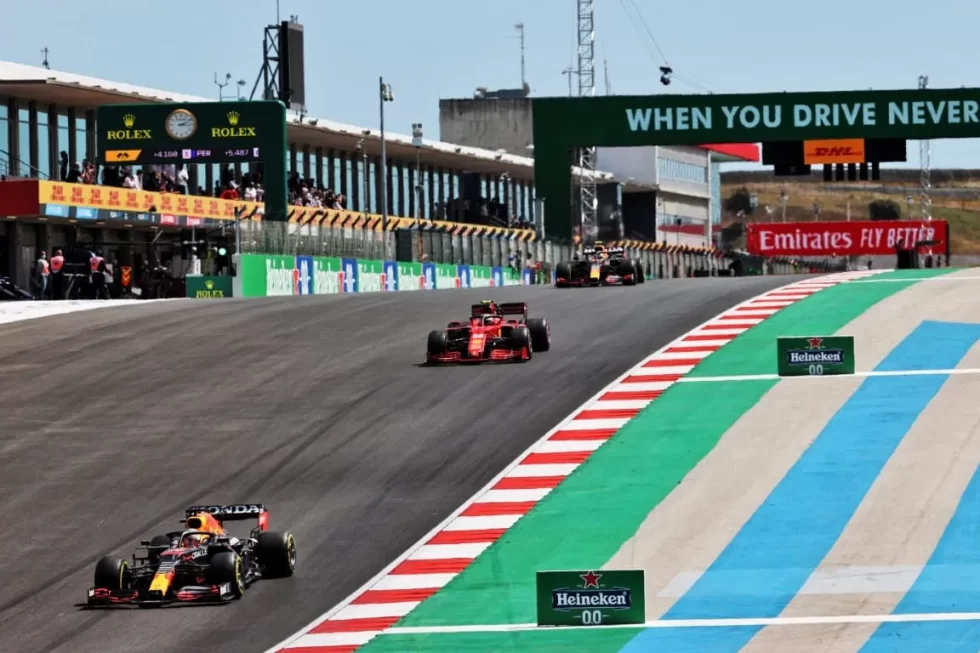
The return follows Portugal’s successful hosting of races during the pandemic-era seasons, when the Algarve circuit stepped in as a replacement venue. Those events were widely praised for their race quality, organization, and atmosphere. The positive response helped strengthen Portugal’s case for a full return.
The Algarve International Circuit is expected to host the races, though final operational details are still being finalized. The track is known for its elevation changes, fast corners, and technical demands. Drivers have frequently described it as one of the most engaging circuits in Europe.
Formula 1’s decision reflects growing confidence in Portugal’s event infrastructure. Since its last appearance on the calendar, improvements have been made to transport access, hospitality facilities, and fan services. These upgrades were key factors in securing a two-year commitment.
Economic impact is a central part of the return. Previous F1 weekends generated strong tourism activity, particularly in the Algarve region. Hotels, restaurants, transport providers, and local businesses all benefited from international visitors.
Portuguese officials view the races as part of a broader strategy to attract high-profile global events. Formula 1 offers worldwide exposure through television, digital platforms, and social media. This visibility supports Portugal’s positioning as a premium destination for sports and cultural tourism.
Fan reaction has been overwhelmingly positive. Motorsport has a loyal following in Portugal, and attendance was strong even under pandemic restrictions. With full capacity expected in 2027 and 2028, organizers anticipate significant crowds.
The return also comes at a time when the Formula 1 calendar is becoming more competitive. New races in emerging markets have increased pressure on traditional European venues. Portugal’s inclusion highlights its ability to meet both commercial and operational standards.
Beyond racing, Formula 1 weekends bring cultural and technological spillovers. Concerts, fan zones, exhibitions, and innovation showcases often accompany race events. This helps integrate Formula 1 into local culture rather than limiting its impact to the circuit.
Sustainability will be an important focus. Formula 1 has committed to reducing its environmental footprint, and host nations are expected to align with those goals. Portugal’s investment in renewable energy and sustainable tourism supports this direction.
The return could also boost domestic motorsport development. Hosting Formula 1 often inspires youth participation and strengthens local racing programs. Increased attention may help develop Portuguese driving and engineering talent.
There are also opportunities for the technology and business sectors. Formula 1 attracts partnerships in data analytics, engineering, and advanced manufacturing. These align with Portugal’s growing tech ecosystem and innovation ambitions.
Challenges remain, particularly around hosting costs and long-term calendar stability. However, the two-year deal provides a testing ground for future extensions. Strong delivery in 2027 and 2028 could strengthen Portugal’s position for a longer-term role.
For Europe, Portugal’s return reinforces the continent’s continued importance to Formula 1. While the sport expands globally, its roots and fan base remain deeply European. Portugal adds variety and competitive depth to that mix.
Overall, Portugal’s return to the Formula 1 calendar in 2027 and 2028 represents more than a sporting update. It signals confidence in the country’s infrastructure, tourism strategy, and global appeal. For fans, businesses, and policymakers, it marks a notable comeback on the international stage.