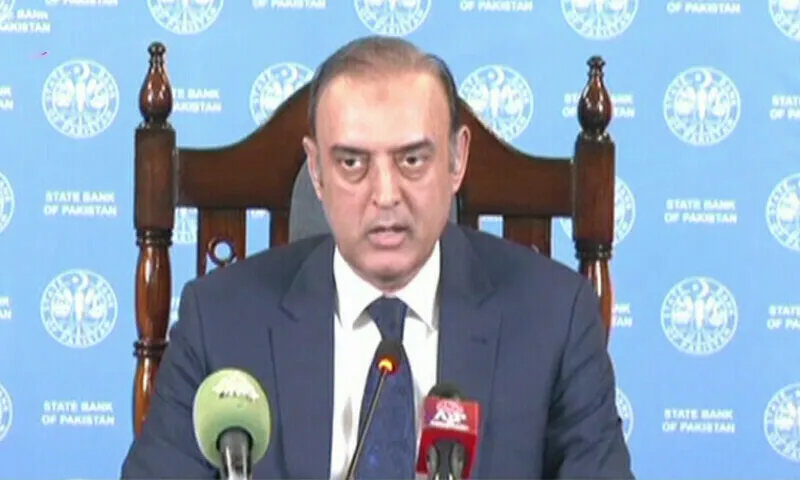
The State Bank of Pakistan has announced a cut in the policy rate, marking a shift toward monetary easing after a prolonged period of tight financial conditions. The decision reflects easing inflation trends and aims to support economic activity. Markets responded positively to the move, viewing it as a signal of improving macro stability.
The policy rate cut is expected to reduce borrowing costs for businesses and consumers. Lower rates can encourage investment, boost credit growth, and provide relief to sectors under pressure from high financing expenses. Analysts say the move could help revive demand across key industries.
Prime Minister Shehbaz Sharif welcomed the decision, describing it as meaningful relief for the public and the business community. He highlighted that easing interest rates would support economic recovery and reduce pressure on households. The government sees the move as aligned with its broader stabilization efforts.
The PM emphasized that the rate cut reflects progress on inflation control. Consumer price pressures have eased compared to last year, creating space for the central bank to adjust policy. He credited fiscal discipline and reform measures for improving economic conditions.
Financial markets reacted with cautious optimism. Equity investors viewed the rate cut as supportive for earnings and liquidity. Bond yields adjusted lower as expectations for further easing grew.
Businesses have long called for lower rates to stimulate growth. High interest costs have constrained expansion, especially for small and medium enterprises. The latest move is seen as a step toward restoring confidence.
However, risks remain. Economists caution that inflation could resurface if external shocks occur or fiscal pressures increase. Energy prices and currency stability will remain key variables.
The SBP has maintained that future decisions will remain data-driven. Officials signaled that while easing has begun, policy will stay cautious to protect price stability. Further cuts will depend on inflation trends and external balances.
For consumers, the impact may be gradual. Lower rates could eventually ease loan repayments and support spending. Relief is expected to filter through over time rather than immediately.
The rate cut also has implications for government finances. Reduced borrowing costs can help ease debt servicing pressure. This may create limited fiscal space for development spending.
Overall, the SBP’s decision marks an important shift in policy direction. With inflation easing and growth still fragile, the focus is turning toward recovery. How far and how fast rates fall next will shape Pakistan’s economic outlook in the months ahead.