Lisbon is undergoing a visible urban transformation as new infrastructure projects redefine how the city functions, moves, and grows. In recent years, public investment and strategic planning have accelerated efforts to modernize transport, housing, and public spaces. This shift is changing daily life for residents while reshaping Lisbon’s long term economic and social outlook.
The city’s transformation reflects broader priorities across Portugal, including sustainability, digital connectivity, and livability. Infrastructure is no longer viewed only as physical development but as a foundation for social inclusion and economic resilience. As projects progress, Lisbon is positioning itself as a forward looking European capital.
Transport Infrastructure Drives Urban Connectivity
Transportation upgrades are at the center of Lisbon’s urban shift. Major investments in metro expansion, rail modernization, and road improvements aim to reduce congestion and improve access across neighborhoods. These changes are making it easier for residents to commute while supporting tourism and business activity.
Metro extensions are connecting previously underserved areas to the city center. This improves mobility and reduces reliance on private vehicles. Expanded coverage also supports more balanced urban development encouraging growth beyond traditional hubs.
Rail improvements strengthen regional connectivity. Faster and more reliable links between Lisbon and surrounding areas are supporting suburban integration and easing pressure on central districts.
Public Transit Modernization Improves Daily Mobility
Public transit systems are being modernized to meet growing demand. New rolling stock, upgraded stations, and digital ticketing systems are enhancing reliability and user experience. These improvements make public transport more attractive and accessible.
Accessibility is a key focus. Upgrades prioritize step free access, clearer signage, and safer platforms. This benefits elderly residents, people with disabilities, and families.
As public transport improves, commuting patterns are changing. More residents are choosing transit over cars, contributing to reduced emissions and improved air quality.
Urban Regeneration Revitalizes Historic Areas
Urban regeneration projects are reshaping Lisbon’s historic districts. Former industrial zones and underused spaces are being redeveloped into mixed use neighborhoods. These projects blend housing, commerce, and public amenities.
Revitalization supports economic activity while preserving cultural identity. Renovations respect architectural heritage while adapting buildings for modern use. This balance attracts residents, entrepreneurs, and visitors.
However, regeneration also raises affordability concerns. Rising property values challenge long time residents, prompting discussions around inclusive development and housing policy.
Housing and Public Space Investment Expands Livability
Housing infrastructure is a major priority as Lisbon faces population growth and affordability pressures. New residential developments focus on density, energy efficiency, and access to services. Public housing initiatives aim to provide options for lower and middle income households.
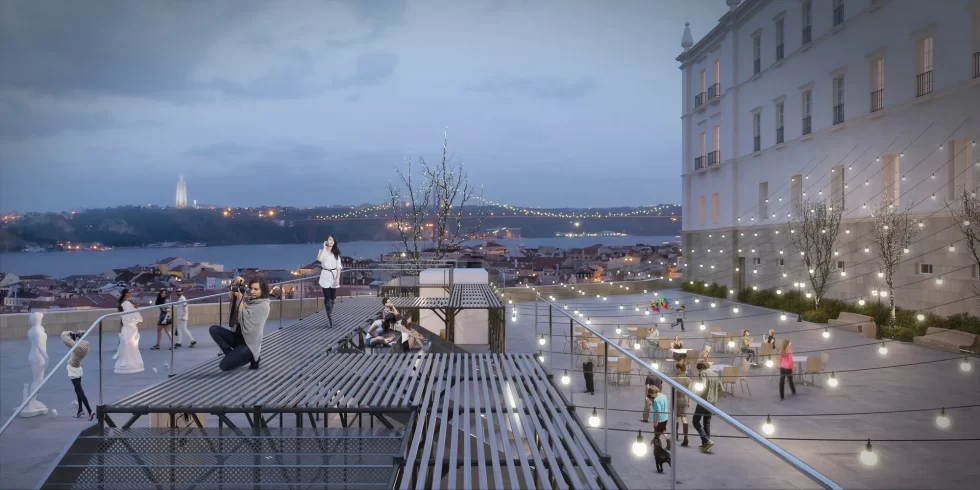
Public spaces are also receiving attention. Parks, waterfront areas, and pedestrian zones are being expanded and upgraded. These spaces improve quality of life and encourage community interaction.
Green infrastructure plays a growing role. Tree planting, urban gardens, and climate resilient design support sustainability goals and enhance urban comfort.
Digital and Utility Infrastructure Supports Smart City Goals
Lisbon is investing in digital infrastructure to support smart city initiatives. Expanded broadband coverage, smart traffic systems, and data driven urban management improve efficiency. These tools help city authorities respond to real time needs.
Utility upgrades are also underway. Water, energy, and waste systems are being modernized to meet environmental standards and future demand. These improvements reduce resource loss and support climate adaptation.
Together, digital and utility investments strengthen Lisbon’s capacity to grow sustainably. Infrastructure becomes an enabler of innovation rather than a constraint.
Economic Impact and Investment Attraction
New infrastructure projects are influencing Lisbon’s economic landscape. Improved connectivity and modern facilities attract domestic and international investment. Businesses value efficient transport, reliable utilities, and a skilled workforce.
Construction activity also generates employment and supports local industries. Over time, improved infrastructure boosts productivity across sectors such as tourism, technology, and services.
These developments enhance Lisbon’s competitiveness within Europe. Infrastructure investment positions the city as an attractive location for long term growth.
Social and Environmental Considerations Shape Development
Urban transformation brings social and environmental considerations to the forefront. City planners are balancing growth with inclusion, ensuring benefits reach diverse communities. Public consultation and policy adjustments play a role in this process.
Environmental sustainability is embedded in project design. Reduced emissions, energy efficiency, and climate resilience are guiding principles. Infrastructure is increasingly evaluated through a long term environmental lens.
This approach reflects changing expectations. Residents demand cities that are not only functional but equitable and sustainable.
Conclusion
Lisbon’s urban shift is reshaping the city through targeted infrastructure investments that improve mobility, livability, and economic resilience. Transport, housing, digital systems, and public spaces are evolving together to support a modern urban environment.
As projects continue, the challenge will be maintaining balance between growth, affordability, and sustainability. Lisbon’s transformation shows how infrastructure can redefine a city’s future when guided long term vision.