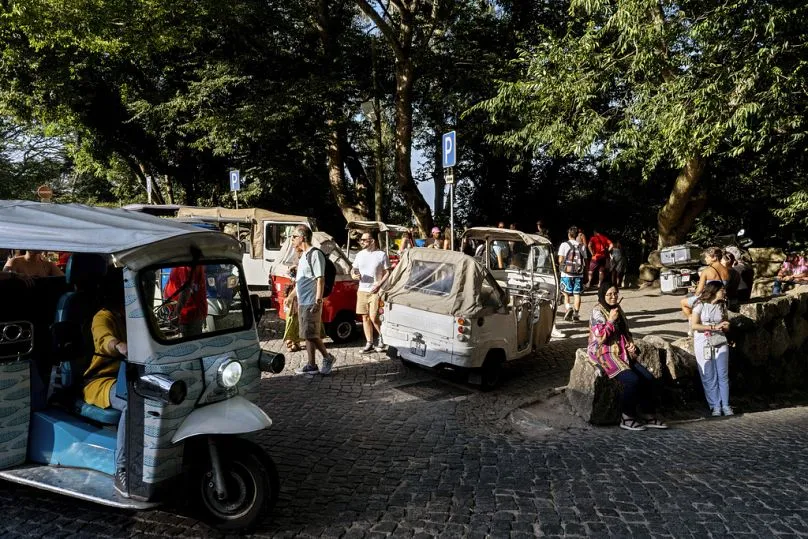
Lisbon’s popularity as a global travel destination has surged over the past decade, bringing record visitor numbers and sustained international attention. Tourism has become a key driver of economic growth, supporting jobs across hospitality, retail, and services. However, the rapid rise in visitors is also placing visible strain on the city’s infrastructure and daily life.
As tourism pressure intensifies, city planners and policymakers are reassessing how Lisbon grows and functions. The challenge is no longer how to attract visitors, but how to manage their impact without undermining local communities. This shift is forcing Lisbon to rethink city planning priorities with a stronger focus on balance and sustainability.
Tourism Growth Reshapes Lisbon’s Urban Landscape
Tourism has transformed many of Lisbon’s central neighborhoods. Historic areas that once served residential communities are now dominated short term rentals, hotels, and visitor focused businesses. While this has revitalized some districts, it has also altered the character of local streets.
Increased foot traffic and commercial activity place pressure on public services. Waste management, transport systems, and public spaces are operating at higher capacity year round. This constant demand challenges infrastructure originally designed for a smaller resident population.
Urban planners are now evaluating how zoning and land use policies can adapt. The goal is to prevent overconcentration of tourism while preserving mixed use neighborhoods that support everyday life.
Housing Pressure and Residential Displacement
One of the most significant impacts of tourism is pressure on housing availability. Short term rental demand has reduced the supply of long term housing, particularly in central areas. This has contributed to rising rents and displacement of local residents.
For many households, affordability has become a growing concern. Younger residents and lower income families are increasingly pushed toward outer districts or surrounding municipalities. This shift changes commuting patterns and adds strain to transport networks.
In response, authorities are exploring stricter regulations on short term rentals. Planning strategies now prioritize residential stability alongside economic activity to ensure the city remains livable.
Transport and Infrastructure Under Strain
Tourism growth has also intensified pressure on Lisbon’s transport infrastructure. Trams, metro lines, and buses face congestion during peak travel seasons. Popular routes serving historic districts experience overcrowding that affects both residents and visitors.
Infrastructure upgrades are underway, but planning timelines often lag behind demand. Managing seasonal surges requires flexible solutions rather than permanent expansion alone. City planners are considering demand management strategies to spread visitor flows more evenly.
Improving connectivity to less visited areas is another priority. Encouraging tourists to explore beyond the city center can reduce congestion while supporting broader economic distribution.
Public Space Management and Quality of Life
Public spaces are central to Lisbon’s appeal, but heavy tourism use is testing their resilience. Squares, viewpoints, and waterfront areas experience constant crowding. This can reduce accessibility and enjoyment for residents.
Noise levels and late night activity have become frequent sources of complaint. Balancing nightlife tourism with residential well being is an ongoing challenge. City authorities are reviewing regulations related to operating hours and crowd control.
Urban design adjustments are also being considered. Better signage, pedestrian flow management, and maintenance planning aim to improve coexistence between visitors and locals.
Rethinking Tourism Distribution Across the City
To address pressure, Lisbon is exploring strategies to redistribute tourism geographically. Promoting alternative neighborhoods and cultural sites can reduce strain on historic cores. This approach supports local economies while easing congestion.
New planning frameworks emphasize thematic tourism such as cultural routes, green spaces, and regional experiences. diversifying attractions, the city can manage demand more effectively. This also encourages longer stays rather than short, high intensity visits.
Collaboration with regional authorities plays a role. Integrating Lisbon into broader tourism planning helps balance flows across the metropolitan area.
Policy Shifts Toward Sustainable Urban Planning
Tourism pressure is accelerating broader changes in city planning philosophy. Sustainability and resident well being are becoming central metrics of success. Economic growth is no longer the sole measure.
Policymakers are incorporating community feedback into planning decisions. Public consultations influence zoning rules, licensing policies, and infrastructure investment. This participatory approach aims to align development with local needs.
Environmental considerations are also gaining prominence. Managing emissions, preserving heritage sites, and protecting public spaces are now integral to tourism related planning.
Economic Trade Offs and Long Term Vision
Tourism remains vital to Lisbon’s economy, creating complex trade offs. Restrictive policies may slow growth, but unchecked expansion risks eroding the city’s social fabric. City planners must navigate this balance carefully.
A long term vision is emerging that prioritizes resilience over volume. Sustainable tourism seeks to maximize value while minimizing disruption. This requires coordinated policy, enforcement, and investment.
Lisbon’s experience reflects a broader challenge facing popular European cities. Managing success has become as important as achieving it.
Conclusion
Rising tourism pressure is forcing Lisbon to rethink city planning across housing, transport, and public space management. The city is shifting toward strategies that balance economic benefits with quality of life for residents.
As planning priorities evolve, Lisbon’s ability to manage tourism sustainably will shape its future. The challenge lies in preserving the city’s character while adapting to its global appeal.