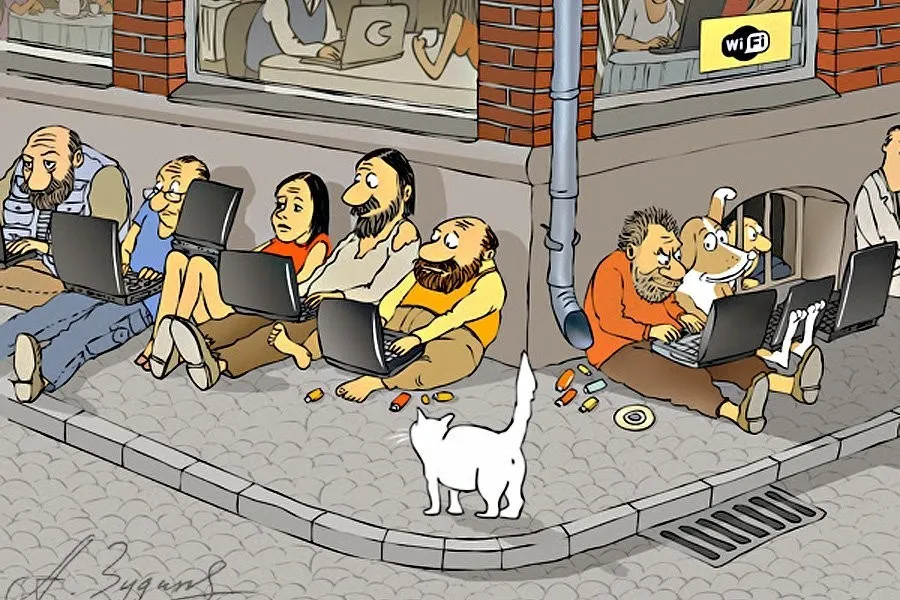
Portuguese internet humor has become a powerful lens through which social change is expressed and understood. In 2025, memes, short videos, and viral jokes are doing more than entertaining users. They are capturing everyday frustrations, shifting values, and evolving social dynamics across Portugal.
As economic pressure, cultural change, and digital life intersect, online humor has emerged as a shared language. It allows people to comment on sensitive topics in a relatable and accessible way. What appears lighthearted often carries deeper meaning about how society is adapting.
Humor Becomes a Tool for Social Commentary
Online humor in Portugal increasingly serves as social commentary rather than simple comedy. Memes and viral posts often highlight issues such as rising living costs, work culture, and generational divides. Humor softens criticism while making it widely shareable.
This style allows people to voice concerns without direct confrontation. Irony and exaggeration make difficult topics easier to digest. In a digital environment where attention is limited, humor becomes an efficient way to communicate complex realities.
As a result, internet humor reflects collective awareness. It shows what people are thinking, feeling, and experiencing in their daily lives.
Cost of Living and Economic Pressure Drive Content
One of the most common themes in Portuguese internet humor is economic pressure. Rising rents, grocery prices, and stagnant wages frequently appear in jokes and memes. These posts resonate because they reflect shared experiences.
Humor provides emotional relief. Laughing at financial stress helps people cope with uncertainty. It also creates solidarity, reminding users they are not alone in facing these challenges.
The popularity of this content highlights how deeply economic issues affect daily life. Online humor becomes an informal record of economic sentiment.
Generational Perspectives Shape Online Expression
Generational differences strongly influence Portuguese internet humor. Younger users often use humor to express frustration with limited opportunities, housing access, and career stability. Memes reflect feelings of delay and uncertainty about traditional life milestones.
Older generations may appear as characters in jokes about outdated expectations or advice. These interactions reveal shifting values and evolving definitions of success. Humor bridges generational gaps while exposing tension.
Through these exchanges, online spaces become areas of negotiation between tradition and change. Humor helps manage that transition.
Work Culture and Lifestyle Expectations Under Scrutiny
Work life is another frequent subject of online humor. Long hours, low pay, and job insecurity are common themes. Memes exaggerate workplace realities to highlight imbalance between effort and reward.
Remote work and digital jobs have also influenced humor. Jokes about flexible schedules or blurred work life boundaries reflect new realities. These posts often mix appreciation with criticism.
sharing these experiences humorously, users collectively question established work norms. Internet humor becomes a way to challenge expectations without formal debate.
Regional Identity and Cultural Pride Remain Strong
Despite criticism and satire, Portuguese internet humor maintains strong cultural pride. Regional accents, local habits, and national stereotypes are celebrated through playful exaggeration. This reinforces identity rather than undermines it.
Local references make content instantly recognizable. Humor tied to specific cities or regions strengthens community bonds. It also distinguishes Portuguese online culture from global meme trends.
This balance between critique and pride is important. Humor allows reflection without losing connection to shared identity.
Social Media Platforms Amplify Collective Voice
Platforms like Instagram, TikTok, and X play a central role in spreading Portuguese humor. Algorithms reward relatability, pushing socially resonant content to wider audiences. This amplification turns individual jokes into collective statements.
Creators often adapt international formats to local context. This localization makes global trends relevant to Portuguese realities. Humor becomes both global and distinctly national.
As content circulates rapidly, social awareness spreads alongside entertainment. Humor becomes a form of informal civic expression.
Limits and Risks of Humor as Commentary
While powerful, internet humor has limits. Complex issues can be oversimplified or reduced to punchlines. There is also a risk of normalizing problems rather than motivating change.
Not all voices are equally represented online. Humor trends may reflect dominant demographics more than society as a whole. Awareness of these limitations is important when interpreting online content.
Still, humor remains one of the most accessible forms of expression. Its influence lies in visibility rather than policy impact.
Conclusion
Portuguese internet humor reflects changing social realities turning everyday challenges into shared cultural moments. Through satire and relatability, online content captures economic pressure, generational shifts, and evolving values.
In 2025, humor is more than entertainment. It is a mirror of society, offering insight into how people experience and respond to change in a digital age.