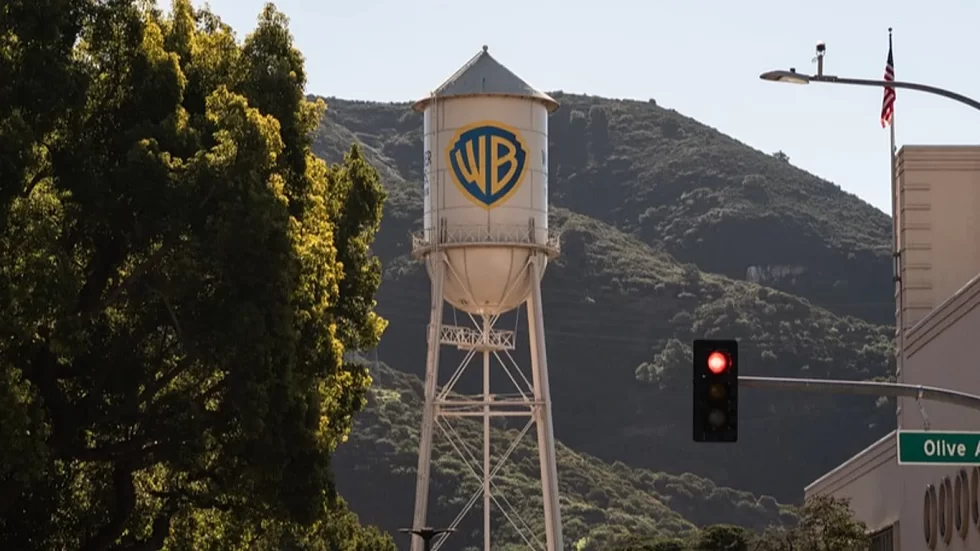
Warner Bros Discovery is preparing to advise its shareholders to reject a hostile takeover bid from Paramount Global, escalating one of the most closely watched corporate battles in the global media industry. According to multiple reports, the company plans to formally recommend a vote against the proposal, signaling strong resistance to what Paramount has framed as a transformative acquisition.
The move comes at a sensitive moment for the entertainment sector, where consolidation pressures are colliding with shifting audience habits and rising production costs. For Warner Bros Discovery, the decision reflects concerns about valuation, strategy, and long term independence rather than short term market excitement.
A Deal That Bypassed the Board
Paramount’s bid has been controversial from the outset. After several acquisition proposals were rejected Warner Bros Discovery’s board, Paramount opted to go directly to shareholders with an all cash offer of thirty dollars per share. This approach effectively sidelined board level negotiations and turned the proposed takeover into a public and highly charged contest.
The offer values Warner Bros Discovery at around one hundred eight billion dollars, making it one of the largest attempted media takeovers in recent history. Paramount’s strategy suggests confidence that shareholders may be tempted the premium offered, particularly given the volatility of media stocks over the past year.
However, Warner’s expected recommendation against the bid indicates that management believes the company’s future value exceeds what Paramount is offering.
Financing Complications and Political Noise
The takeover effort has faced setbacks beyond boardroom resistance. Jared Kushner, former president Donald Trump’s son in law, has reportedly withdrawn his private equity firm from financing the Paramount offer. While Kushner’s involvement was only one component of the funding structure, his exit adds uncertainty to the bid’s financial backing.
At the same time, Trump has publicly criticized Paramount, injecting political rhetoric into what is fundamentally a corporate dispute. While such commentary does not directly alter shareholder votes, it contributes to the broader media narrative and adds pressure to an already complex situation.
Together, these developments weaken Paramount’s position and raise questions about whether the bid can maintain momentum.
Competing Offers and Market Reaction
The takeover battle has not unfolded in isolation. Netflix has emerged with an alternative proposal offering a mix of cash and stock valued at approximately twenty seven point seven five dollars per share. While lower than Paramount’s all cash bid, the Netflix offer introduces a different strategic logic focused on streaming scale and content integration.
Since news of the acquisition attempts became public, Warner Bros Discovery’s share price has risen sharply. The stock has moved closer to the thirty dollar level after trading near twenty four dollars earlier in the month. This jump reflects investor speculation rather than a settled outcome and highlights how takeover interest alone can reshape market perceptions.
Still, analysts caution that short term price movements do not necessarily reflect long term fundamentals.
Strategic Independence Versus Consolidation
At the core of this standoff is a broader debate about consolidation in the media industry. Supporters of mergers argue that scale is essential to compete with global streaming giants and manage rising content costs. Critics counter that forced consolidation can dilute creative identity and burden companies with excessive debt.
Warner Bros Discovery appears to be positioning itself on the side of strategic independence. urging shareholders to reject the bid, the company signals confidence in its standalone strategy and future growth prospects without being absorbed a rival.
What Happens Next
If Warner formally recommends against the takeover, the decision ultimately rests with shareholders. Paramount’s direct appeal strategy means the vote will serve as a referendum on whether investors prioritize immediate cash returns or longer term potential.
Regardless of the outcome, the battle underscores how competitive and uncertain the global media landscape has become. As streaming economics evolve and political and financial pressures mount, major studios are being forced to defend not only their valuations but their vision for the future.