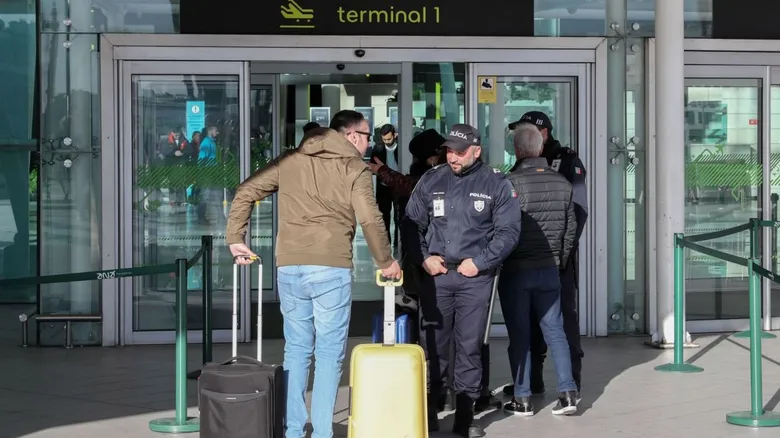
Travelers passing through Lisbon airport today may face delays as police officers responsible for border control hold a protest during the busy morning hours. The demonstration is being organized the Association of Professional Police Officers and reflects growing frustration among officers working at Portugal’s air borders. While no full strike has been announced, the timing and location of the protest have raised concerns about possible disruptions to passenger processing.
The protest is taking place at the Border Control Squad between seven in the morning and eleven, a period that typically sees high passenger volumes. Union representatives have warned that the action could slow down procedures, particularly for arrivals and departures requiring document checks.
Dispute Over Unfulfilled Government Commitments
At the core of the protest is the government’s alleged failure to honor an agreement signed in July twenty twenty four. According to the ASPP leadership, the deal was meant to address long standing operational and staffing issues affecting police officers stationed at airports. The union argues that little progress has been made since the agreement was reached, prompting it to withdraw from negotiations with the government.
Union leaders say the lack of follow through has eroded trust and left officers feeling ignored despite repeated warnings. The Lisbon airport plenary is intended not only to highlight working conditions but also to publicly criticize what the ASPP describes as continued inaction political authorities.
A Pattern of Escalating Protests
This is not the first time airport policing issues have sparked public demonstrations. In November, the ASPP organized a similar protest, during which it cautioned that further actions would follow if concrete solutions were not presented. Today’s gathering is seen as part of that escalation, signaling that tensions remain unresolved.
Following the November plenary, the union produced a detailed document outlining the challenges faced officers responsible for passenger control at airport borders. That document was sent to multiple institutions, including the government, the national leadership of the Public Security Police, the General Inspectorate of Internal Administration, and several political parties.
Border Control Responsibilities Under Strain
Passenger control at Portuguese airports has undergone major changes in recent years. Two years ago, responsibility for border checks was transferred from the former Immigration and Borders Service to the Public Security Police. While intended to streamline oversight, the transition has placed significant pressure on PSP officers, particularly at Lisbon airport, the country’s main international gateway.
Officers report increased workloads, staffing shortages, and heightened expectations, especially during peak travel periods. According to the ASPP, police working at the airport feel they are being unfairly blamed for long waiting times, despite structural issues beyond their control.
Officers Push Back Against Public Criticism
In the document circulated after the November protest, the union described what it called a deep sense of revolt among officers stationed at Lisbon airport. The ASPP rejected claims that police inefficiency is the main cause of passenger delays and instead accused political leaders of applying pressure without offering clear explanations or adequate resources.
Union representatives argue that border control has become a political pressure point, with officers caught between operational demands and public dissatisfaction. They insist that without investment in staffing, training, and infrastructure, delays are likely to persist regardless of individual effort.
What This Means for Travelers
For passengers, the immediate concern is the potential impact on travel plans. While airport authorities have not announced cancellations, travelers are advised to allow extra time for border procedures and to monitor updates from airlines and airport services.
More broadly, the protest highlights ongoing challenges in managing border control at a time of rising travel demand. Unless negotiations resume and commitments are addressed, unions have signaled that further actions remain possible. As peak travel seasons approach, the dispute raises important questions about how Portugal will balance security, efficiency, and fair working conditions at its busiest airport.