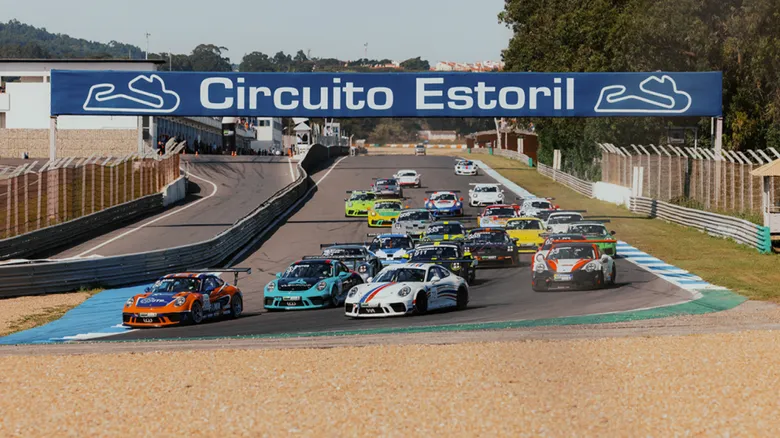
Plans connected to bringing Formula 1 back to Portugal have gained renewed attention following a proposal involving the Estoril Circuit. The Cascais City Council has formally suggested that Parpública allow it to manage the historic racing venue under a long term agreement valued at twelve point five million euros. The proposed concession would run for a period of up to seventy five years, signaling a major commitment to the circuit’s revival and long term use.
The move has reignited debate around Estoril’s role in international motorsport and its potential place within Portugal’s broader sports and tourism strategy.
Cascais City Council’s Strategic Move
Under the proposal, the Cascais City Council would assume responsibility for managing, maintaining, and developing the Estoril Circuit. Local authorities argue that municipal involvement would allow for more agile decision making and closer integration with regional economic and tourism planning.
Cascais already positions itself as a destination linked to motorsport heritage, lifestyle tourism, and international events. Supporters of the proposal believe that local management could unlock greater commercial potential while preserving the circuit’s historical significance.
Why Estoril Matters to Portuguese Motorsport
The Estoril Circuit holds a special place in Portuguese sports history. It previously hosted Formula 1 races and has long been associated with major international competitions across motorsport categories. Despite this legacy, the circuit has faced periods of underuse and uncertainty regarding its long term direction.
Bringing Estoril back into the global racing conversation would not only revive a historic venue but also reinforce Portugal’s reputation as a capable host of elite sporting events. Motorsport fans continue to associate the circuit with iconic races and moments from earlier decades.
Economic Stakes and Public Investment
The proposed twelve point five million euro management deal highlights the scale of investment being considered. Managing a circuit capable of hosting Formula 1 level events requires substantial upgrades in safety, infrastructure, hospitality, and logistics. These improvements come with significant costs but also the promise of economic returns.
Major racing events generate spending across hotels, restaurants, transport, and local services. Supporters argue that hosting Formula 1 could boost tourism revenues and international visibility for both Cascais and Portugal as a whole.
Role of Parpública and State Oversight
Parpública, the state owned holding company that manages public assets, would play a central role in approving and structuring the concession. Any long term agreement would need to balance public interest, financial sustainability, and accountability.
Given the length of the proposed management period, questions around governance, performance benchmarks, and public benefit are expected to feature prominently in discussions. Transparency and clear contractual obligations will be critical to securing broader political and public support.
Challenges Beyond the Proposal
While the management plan has sparked optimism, significant challenges remain. Formula 1 hosting rights involve negotiations with international organizers, compliance with strict technical standards, and competition from other circuits seeking similar events. The circuit would also need to demonstrate consistent operational excellence beyond a single marquee race.
Environmental concerns, noise regulations, and community impact are additional factors that local authorities must address. Balancing international ambition with local quality of life will be essential.
Motorsport as a National Showcase
Portugal has increasingly used international sporting events to project its image abroad. From football tournaments to global conferences, high profile events are seen as tools for economic promotion and soft power. Formula 1 fits naturally into this strategy, offering worldwide media exposure and association with innovation and performance.
The Estoril proposal reflects a broader belief that motorsport can still play a meaningful role in Portugal’s event landscape when paired with responsible management and clear economic objectives.
A Debate That Extends Beyond Racing
At its core, the proposal raises broader questions about how Portugal manages iconic infrastructure and leverages it for public benefit. Whether the Estoril Circuit becomes a central stage for elite motorsport again will depend on negotiations, investment decisions, and political will.
What is clear is that the discussion has moved beyond nostalgia. It now centers on long term strategy, public value, and how Portugal positions itself within the global sports economy.