As travelers look beyond familiar hotspots and begin planning trips for 2026, a new wave of destinations is emerging, shaped changing tastes, easier access and a growing desire for meaningful experiences. From cultural capitals to lesser known mountain nations, travel experts say next year will reward those willing to explore beyond the usual routes.
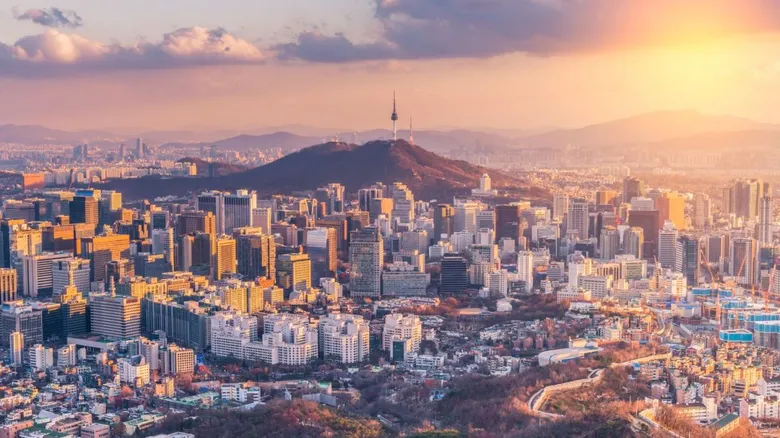
South Korea is high on many lists for 2026, building on its global cultural influence. Beyond Seoul’s food scene and nightlife, visitors are increasingly drawn to smaller cities, traditional villages and nature escapes. Improved transport links and a focus on sustainable tourism have made it easier to combine urban energy with hiking, coastal scenery and historic temples. Travelers are also seeking deeper engagement with Korean culture, from cooking classes to wellness retreats.
Central Asia is another region gaining momentum, with Kyrgyzstan standing out in particular. Known for its dramatic mountain landscapes, alpine lakes and nomadic traditions, the country appeals to travelers looking for adventure without mass tourism. Experts say interest is growing in slow travel experiences such as horse trekking, yurt stays and community based tourism, offering an authentic alternative to crowded destinations.
In Africa, Ghana is expected to attract increased attention in 2026. With its vibrant arts scene, welcoming culture and growing creative economy, the country has become a hub for travelers interested in heritage, music and storytelling. Coastal towns, national parks and historic sites linked to the transatlantic slave trade are drawing visitors who want trips with emotional and historical depth.
Latin America continues to evolve as well, with Colombia tipped to remain on an upward trajectory. Cities like Medellín and Bogotá are being rediscovered through the lens of food, design and innovation, while rural regions are benefiting from eco tourism and coffee based experiences. Improved safety perceptions and infrastructure have helped Colombia move from emerging destination to mainstream favorite.
For those drawn to cooler climates, the Baltics are gaining popularity. Lithuania and Estonia in particular are attracting travelers with walkable cities, strong digital infrastructure and a blend of medieval history and modern creativity. Their focus on green spaces and quality of life aligns well with post pandemic travel priorities.
Japan remains a familiar name, but experts say 2026 will be about exploring beyond Tokyo and Kyoto. Regional destinations such as Kyushu and Tohoku are drawing attention for their food traditions, volcanic landscapes and hot springs. With visitor pressure in major cities prompting diversification, travelers are being encouraged to discover quieter corners of the country.
What connects many of these trending destinations is a shift in traveler mindset. People are prioritizing experiences over checklists, valuing cultural connection, nature and personal growth. Sustainability, local impact and flexibility are becoming central to travel decisions.
Travel advisors say planning early is key, as interest in these destinations is rising fast. While they may still feel under the radar now, 2026 could be the year they move firmly into the spotlight.
For those daydreaming about future adventures, the message is clear. The world is opening in new directions, and the most rewarding journeys may lie in places that invite curiosity rather than crowds.