China has urged the European Union to stop what it described as unreasonable investigations into Chinese companies operating in Europe, signaling renewed friction in bilateral economic relations even as Beijing moves to ease trade pressure in other areas.
Speaking days after China reduced import duties on European pork products, Chinese officials said recent EU probes into Chinese firms undermine mutual trust and risk damaging the broader relationship between the two major trading partners. The comments reflect growing frustration in Beijing over what it sees as increasingly politicised scrutiny of its companies across the European market.
China’s Ministry of Commerce said Chinese businesses are operating legally and transparently in Europe and should be treated fairly under market rules. Officials argued that a series of EU investigations, particularly in sectors such as electric vehicles, renewable energy and technology, go beyond normal regulatory oversight and amount to discriminatory treatment.
The EU has recently expanded its use of trade defence tools, launching inquiries into whether Chinese firms benefit from unfair state subsidies that could distort competition. European officials say these probes are necessary to protect domestic industries and ensure a level playing field, especially as Chinese companies gain market share in strategic sectors.
Beijing has pushed back strongly against that narrative. Chinese officials insist that many of the advantages enjoyed their firms come from scale, innovation and efficient supply chains rather than state support. They have warned that excessive investigations could discourage investment and cooperation at a time when both sides face economic uncertainty.
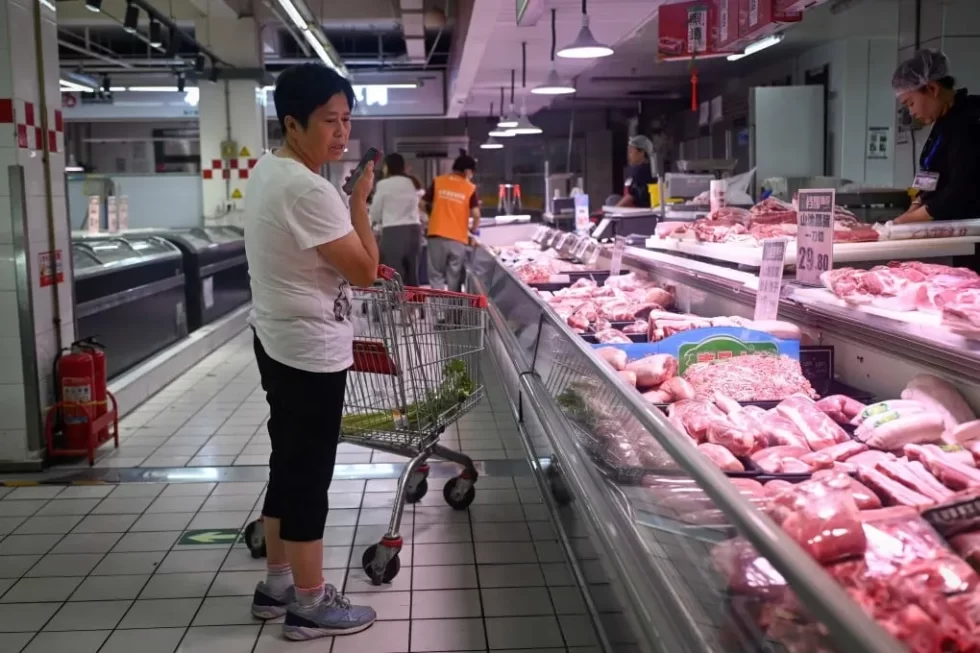
The dispute comes against a complex backdrop of cooperation and competition. China’s decision to cut import duties on EU pork exports was seen as a goodwill gesture, particularly benefiting producers in countries such as Spain, France and Denmark. The move followed concerns that European pork exporters could be caught in broader trade tensions, especially after the EU imposed provisional tariffs on Chinese electric vehicles.
Chinese analysts say the timing of the pork tariff cut shows Beijing is trying to stabilise relations while defending its core commercial interests. They argue that China remains committed to open trade with Europe but will respond if it believes its companies are being unfairly targeted.
European officials, for their part, have rejected accusations of bias. They say investigations are conducted according to EU law and apply to all foreign companies when there is evidence of market distortion. Brussels has also stressed that trade remedies are compatible with World Trade Organization rules.
Business groups on both sides have expressed concern about the growing use of trade investigations as a policy tool. European companies with operations in China worry about potential retaliation, while Chinese firms in Europe fear regulatory uncertainty and reputational damage.
Trade between China and the EU remains extensive, covering everything from consumer goods to advanced industrial equipment. However, relations have become more strained in recent years as security concerns, supply chain resilience and industrial policy take on greater importance.
Diplomats say both sides are likely to continue negotiations behind the scenes to prevent further escalation. While public rhetoric has hardened, there is recognition that prolonged trade conflict would harm economic growth and investor confidence on both sides.
For now, China’s message to Brussels is clear. It wants cooperation to continue but insists that Chinese firms in Europe should not be subjected to what it sees as excessive or politically motivated scrutiny. Whether the EU adjusts its approach may determine whether recent gestures of trade goodwill can translate into more stable economic relations.