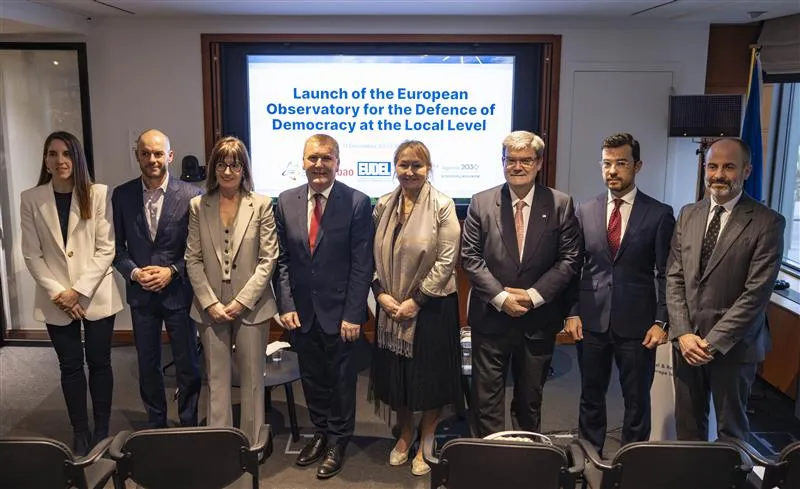
Democracy is often discussed in grand terms, but its true strength is found much closer to home. It lives in the local school a family depends on, the flood barrier that protects a neighbourhood, and the everyday services that make communities function. This is local democracy, the most human and visible form of politics, and increasingly, the most exposed.
Across Europe, mayors and local councillors are facing a worrying rise in harassment, intimidation and abuse. Threatening messages, coordinated disinformation campaigns and, in some cases, physical violence are becoming more common. These attacks are not random or isolated incidents. They form a growing pattern that targets those closest to citizens and most directly responsible for daily governance.
Local representatives are often the first point of contact for public frustration. They deal with housing shortages, infrastructure failures and social tensions long before national governments step in. That visibility makes them vulnerable. Unlike national politicians, local leaders often lack security, legal support or institutional protection, even as hostility toward public officials intensifies.
This trend goes beyond the rough edges of political debate. It represents a deliberate effort to silence voices, intimidate decision makers and push people out of public service altogether. When threats become routine and abuse goes unchecked, fewer citizens are willing to stand for office. The result is a shrinking pool of candidates and weaker democratic representation.
Gunn Marit Helgesen, president of the Council of European Municipalities and Regions, has described local democracy as Europe’s first line of defence. The idea is simple but powerful. When democratic institutions are undermined at the local level, the damage spreads upward. Attacks on mayors and councillors erode trust, discourage participation and weaken the foundations on which national and European democracy rest.
Despite the seriousness of the issue, the scale of the problem remains poorly documented. Harassment and threats are often underreported, dismissed as part of the job or handled quietly to avoid escalation. Without clear and comparable data across countries, it is difficult to measure trends, identify risks or design effective protections.
This lack of evidence leaves local leaders exposed and policymakers underprepared. Better data collection is not just a technical exercise. It is a necessary step toward understanding how intimidation operates, who is most at risk and which responses actually work. With reliable information, EU institutions and national governments can develop targeted policies that address both prevention and support.
Protecting local democracy requires more than condemning violence after it occurs. It means investing in training, legal assistance and mental health support for those in public service. It also means confronting disinformation and online abuse before it spills into real world harm.
At a time when democratic values are being tested across Europe, defending mayors and councillors is not a side issue. It is central to preserving open, accountable governance. When local leaders are protected, communities are stronger. When they are intimidated into silence, democracy itself is weakened.
Safeguarding Europe’s democratic future starts where democracy is lived every day, in towns, cities and regions. Protecting those who serve at the local level is not just about their safety. It is about defending the very idea of democratic participation.