City breaks dominate holiday travel plans
When Portuguese travelers look ahead to a long bank holiday weekend, city breaks remain the preferred option. Recent search data shows that Lisbon and Porto are once again the most sought after destinations in the country, reflecting a continued appetite for short urban escapes that combine culture, food, and convenience. Despite rising accommodation prices, demand for these two cities remains strong, suggesting that domestic travelers still prioritize experience and accessibility over cost alone.
Lisbon leads in searches and spending
Lisbon sits firmly at the top of domestic travel interest. With 2,313 searches recorded for the upcoming bank holiday, the capital continues to attract the highest level of attention among Portuguese travelers. The average nightly price of 174 euros reflects both strong demand and Lisbon’s position as the country’s most dynamic tourism hub.
Lisbon’s appeal lies in its variety. Travelers can enjoy historic neighborhoods, cultural events, restaurants, nightlife, and waterfront views all within a compact area. For short breaks, the city offers a high return in terms of activities packed into a limited timeframe. This helps explain why many travelers are willing to pay higher accommodation prices.
Porto follows closely behind
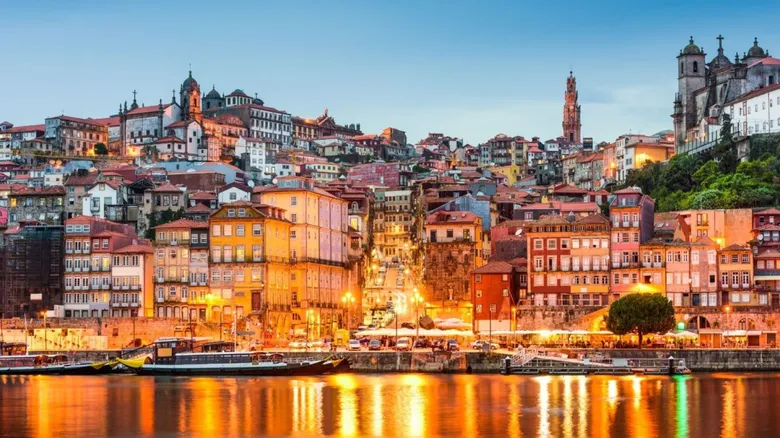
Porto ranks second with 2,178 searches, only slightly behind Lisbon. With an average price of 125 euros per night, Porto presents a more affordable alternative while still offering a rich city break experience. Its historic center, riverside atmosphere, and renowned food and wine scene continue to resonate strongly with domestic tourists.
Porto’s growing popularity reflects a broader shift in perception. Once seen mainly as a destination for international visitors, it is now firmly established as a favorite among Portuguese travelers seeking charm and authenticity without the scale and pace of the capital.
Price differences shape traveler choices
The contrast in average prices highlights how cost influences travel decisions. Lisbon’s higher rates may push some travelers to shorten stays or book further in advance, while Porto’s comparatively lower prices allow for longer visits or higher quality accommodation within the same budget.
These differences also affect travel patterns. Groups and families may lean toward Porto for better value, while couples and younger travelers often gravitate toward Lisbon for its nightlife and event driven appeal.
Why cities outperform coastal resorts
City destinations consistently outperform beach locations during bank holiday weekends. Short breaks favor places that do not rely on weather and offer activities regardless of conditions. Museums, restaurants, shopping, and cultural events provide certainty that coastal destinations sometimes lack outside peak summer months.
Lisbon and Porto also benefit from excellent transport connections, making them easy to reach from most parts of the country. This convenience is a major factor for travelers planning brief getaways without extensive logistics.
Impact on accommodation and local economies
High search volumes translate directly into pressure on accommodation supply. Hotels, short term rentals, and guesthouses in both cities experience peak occupancy during long weekends. This boosts local economies but also raises concerns about affordability and availability for residents.
Higher prices reflect not only demand but also broader cost pressures faced the hospitality sector. Energy costs, staffing shortages, and regulatory changes all influence pricing strategies, especially in high demand periods.
Domestic tourism remains resilient
The strong interest in Lisbon and Porto highlights the resilience of domestic tourism. Even as households face higher living costs, many Portuguese continue to prioritize travel, particularly short breaks that offer mental rest without excessive expense.
This trend suggests that city tourism will remain a cornerstone of Portugal’s travel market. Urban destinations that can balance affordability, quality, and sustainability are likely to benefit most from this continued demand.
A familiar pattern that keeps repeating
Lisbon and Porto leading holiday searches is no surprise, but the consistency of this pattern is notable. It shows that these cities have successfully positioned themselves not only for international tourists but also for domestic travelers.
As long as they continue to offer diverse experiences and reliable infrastructure, Lisbon and Porto are likely to remain the top choices for Portuguese holidaymakers seeking a quick escape that feels both familiar and rewarding.