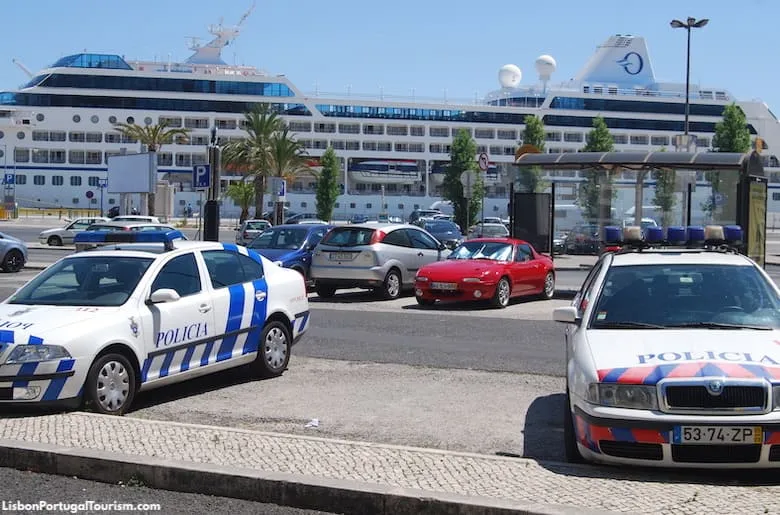
Lisbon’s mayor has once again urged the national government to take swift action to strengthen policing in the capital. Carlos Moedas has called for the immediate reinforcement of one hundred municipal police officers, arguing that the city’s current force is struggling to meet growing demands after years of staff losses. The appeal highlights mounting concerns over public safety, urban management, and the ability of local authorities to respond effectively to daily challenges.
Declining Police Numbers Raise Concerns
According to the mayor, Lisbon has seen a steady reduction in municipal police officers over recent years. Retirements, transfers, and limited recruitment have gradually weakened the force, leaving fewer officers responsible for an expanding range of duties. Municipal police play a crucial role in managing traffic, enforcing local regulations, supporting public order, and assisting during large events. As the city grows more complex and busy, Moedas argues that the reduced number of officers is no longer sufficient to maintain the expected level of service.
Pressure from a Growing and Changing City
Lisbon has experienced significant changes in recent years, including increased tourism, rising population density in certain neighborhoods, and a surge in public events. These dynamics place additional strain on municipal services, particularly policing. The mayor has stressed that fewer officers means longer response times and reduced visibility on the streets, which can affect both residents’ sense of security and the city’s overall functioning. With more visitors and daily activity, maintaining order requires a police presence that matches current realities rather than past conditions.
Municipal Police and Their Role in Daily Life
Unlike national police forces, municipal police focus on local level issues that directly affect quality of life. They oversee traffic flow, parking enforcement, street commerce regulation, and neighborhood level safety. They also work closely with other authorities during festivals, demonstrations, and tourist peaks. Moedas has emphasized that strengthening this force is not only about crime prevention but also about ensuring smoother urban management and better coordination across city services.
An Appeal for Immediate Government Action
The mayor’s request is directed at the central government, which holds authority over recruitment frameworks and staffing approvals. calling for an immediate reinforcement of one hundred officers, Moedas is seeking a concrete and rapid response rather than long term promises. He argues that without timely intervention, the gap between public expectations and the city’s capacity to deliver basic security functions will continue to widen.
Public Safety and Political Debate
The issue of policing in Lisbon has become part of a broader political discussion about urban safety and resource allocation. While some argue that investment should focus on social services and prevention, others point to the visible presence of police as essential for deterrence and reassurance. The mayor’s renewed appeal reflects growing pressure on elected officials to demonstrate that public safety remains a priority amid economic and social challenges.
What This Means for Lisbon Residents
For residents, the debate translates into everyday experiences such as traffic congestion, neighborhood disturbances, and the overall feeling of safety in public spaces. Moedas has framed his request as a response to citizens’ concerns, insisting that adequate staffing levels are fundamental to a well functioning capital. Whether the government responds with the requested reinforcement will likely shape discussions about Lisbon’s security strategy in the months ahead.