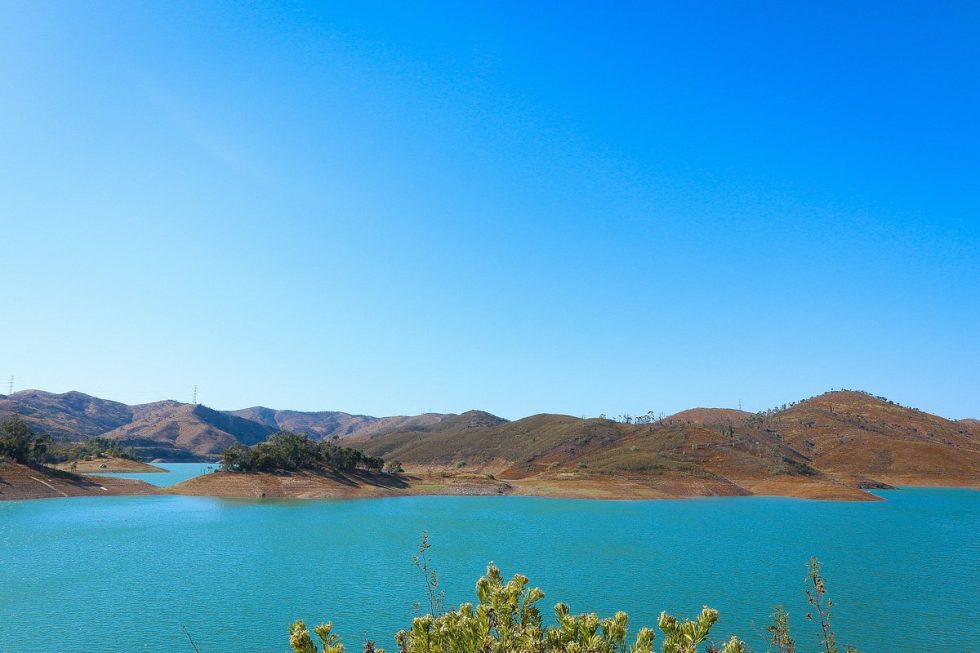
Current storage levels signal improved water security
Water reserves in the Algarve have reached a significant milestone, with the six main dams in the region now holding around 77 percent of their total capacity. The latest figures, shared a source from the Portuguese Environment Agency, point to a much stronger hydrological situation compared to recent drought affected years.
For a region historically vulnerable to water scarcity, these levels represent a notable improvement. Sustained rainfall over recent months has replenished reservoirs and eased pressure on water supply systems used for public consumption, agriculture, and tourism.
Funcho and Odeleite lead reservoir levels
Among the Algarve’s dams, Funcho Dam currently shows the highest storage level, standing at approximately 84 percent. Due to this elevated volume, preventive water discharges are already taking place. These controlled releases are standard practice and are designed to maintain structural safety and ensure optimal reservoir management.
Close behind is Odeleite Dam, located in the municipality of Castro Marim, with water levels at around 83 percent. According to the Portuguese Environment Agency, authorities have not ruled out the possibility of future discharges here as well, depending on weather conditions and inflow rates.
Why preventive discharges are necessary
Preventive discharges are an essential component of responsible dam management. When reservoirs approach high capacity levels, operators must carefully regulate water volumes to reduce the risk of overflow and protect downstream areas. These decisions are guided safety protocols, hydrological forecasts, and long term resource planning.
Officials stress that such discharges should not be interpreted as waste. Instead, they reflect a balancing act between storing sufficient water for dry periods and maintaining safe operating conditions. In regions like the Algarve, where rainfall patterns can be unpredictable, flexibility is key to long term resilience.
Comparison with last year’s rainfall pattern
The current situation mirrors developments seen last year, when heavy rainfall also forced dam operators to release water. However, there is an important difference in timing. In the previous hydrological cycle, comparable discharge scenarios only emerged much later, around March.
This earlier rise in reservoir levels suggests a stronger and more evenly distributed rainfall season. It also highlights how climate variability continues to influence water management strategies, requiring authorities to remain vigilant throughout the year rather than reacting only in late winter or early spring.
Implications for the Algarve economy
Improved dam capacity has positive implications across multiple sectors. Agriculture benefits from greater irrigation security, particularly for water intensive crops. Municipal water supplies face less immediate pressure, reducing the likelihood of restrictions. Tourism operators also gain confidence, as stable water availability supports hospitality and infrastructure during peak seasons.
At the same time, officials caution that one good season does not eliminate long term challenges. The Algarve remains exposed to climate extremes, and efficient water use continues to be a priority for both policymakers and consumers.
Managing abundance with caution
While the current figures offer reassurance, authorities emphasise the importance of disciplined management. High reservoir levels must be handled with the same care as scarcity, ensuring that water resources are preserved without compromising safety.
As monitoring continues, the Algarve’s dams stand as a reminder that effective water governance depends not only on rainfall, but on timely data, coordinated planning, and proactive decision making. The coming months will determine how well this improved water situation can be sustained into future dry periods.