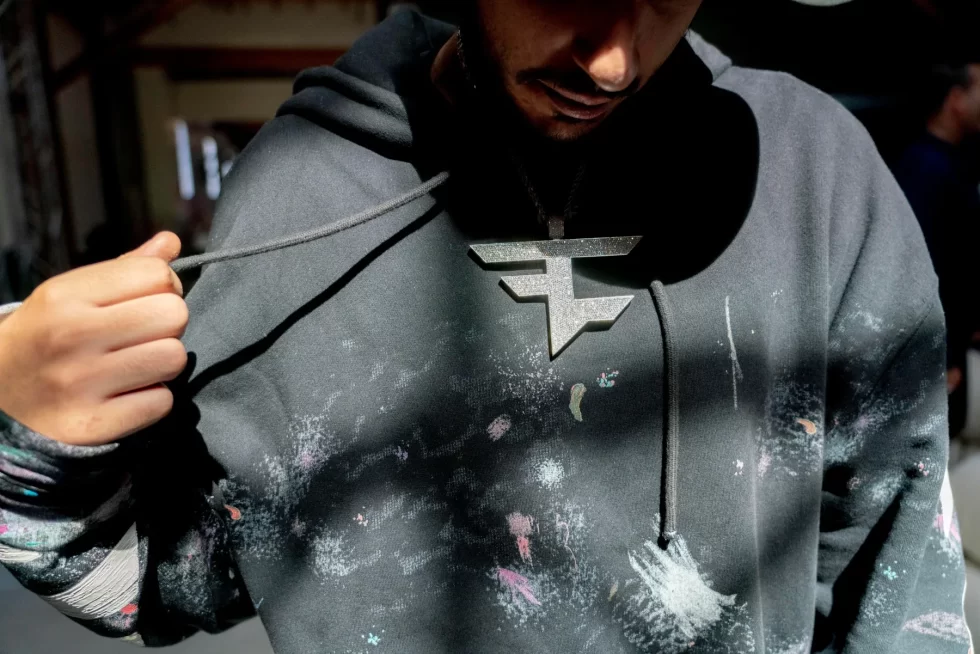
The future of one of the most recognizable brands in online gaming and influencer culture is once again under scrutiny. Several high profile members of FaZe Clan have announced their departures following unsuccessful contract negotiations with the group’s new ownership. The exits have reignited questions about the long term direction of a brand that has already experienced significant turbulence in recent years.
The announcements were made publicly, underscoring the growing role of transparency and direct communication in influencer driven businesses. For fans and industry observers, the developments point to deeper structural challenges within creator led organizations.
Influencers Announce Their Departures Publicly
Members known as Adapt, Jason, Ronaldo, Lacy, and Silky confirmed their exits through posts on X, formerly Twitter. Their statements suggested that contract discussions with FaZe Clan’s new management failed to produce an agreement acceptable to both sides.
While the details of the negotiations have not been fully disclosed, the coordinated timing of the announcements indicates a shared dissatisfaction with the proposed terms. The group’s official website currently lists six members, highlighting how rapidly the organization’s public facing roster has changed.
Contract Disputes Reflect Shifting Power Dynamics
Influencer organizations operate at the intersection of entertainment, branding, and entrepreneurship. Unlike traditional sports teams, creators often retain personal brands that exist independently of the organizations they join. This dynamic gives influencers greater leverage, but it also complicates contract negotiations.
In FaZe Clan’s case, the dispute appears to reflect a mismatch between management expectations and creator autonomy. Influencers increasingly expect revenue sharing models, creative freedom, and transparent governance. When these expectations are not met, departures become a rational business decision rather than an emotional one.
A Brand With a Turbulent Recent History
FaZe Clan rose to prominence as a pioneer in esports and gaming lifestyle culture, blending competitive gaming with influencer appeal. Over time, it expanded into mainstream entertainment, fashion, and public markets. However, rapid growth brought financial strain, leadership changes, and strategic uncertainty.
The arrival of new ownership was seen some as a chance for stability and restructuring. The latest exits suggest that aligning creators with a revised business strategy may be more challenging than anticipated.
Impact on Fans and Brand Identity
FaZe Clan’s value has always been closely tied to its personalities. Influencers are not just members but core brand assets, driving engagement, merchandise sales, and sponsorship appeal. Losing multiple recognizable figures at once risks weakening the emotional connection between the brand and its audience.
For fans, the departures create uncertainty about what FaZe represents going forward. Is it primarily an esports organization, a media brand, or a creator collective. The answer will shape how audiences respond in the months ahead.
Broader Implications for Influencer Organizations
The situation reflects a broader trend across the creator economy. As influencers become more business savvy, they are less willing to accept contracts that limit control or undervalue their contribution. Organizations, meanwhile, face pressure to balance profitability with creator satisfaction.
This tension is particularly acute for groups that built their success on informal or founder driven cultures and later transitioned to corporate structures. The shift often exposes differences in expectations around loyalty, compensation, and creative direction.
What New Management Faces Next
For FaZe Clan’s leadership, the challenge now is twofold. First, it must stabilize the brand narrative following the public exits. Second, it needs to clarify its value proposition to remaining and future creators.
Rebuilding trust may require more transparent communication and flexible partnership models. Without these adjustments, attracting top tier influencers in an increasingly competitive market will become more difficult.
A Turning Point for FaZe Clan
The departure of multiple influencers marks another pivotal moment in FaZe Clan’s evolution. Whether it becomes a catalyst for meaningful reform or a sign of continued fragmentation remains to be seen.
What is clear is that influencer driven brands are no longer defined solely logos or legacy. They depend on relationships, fairness, and shared vision. As the creator economy matures, organizations that fail to adapt to these realities risk losing the very talent that made them relevant in the first place.