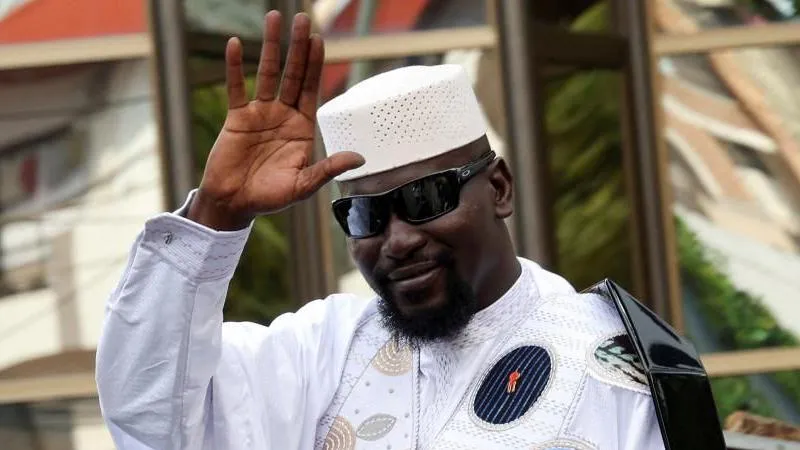
Guinea’s military ruler Gen Mamady Doumbouya has emerged with a commanding early lead in a controversial presidential election, according to preliminary results, as critics denounced the vote and authorities restricted access to major social media platforms.
Gen Mamady Doumbouya, who seized power in a coup four years ago, is seeking to formalise his grip on the country through the ballot box. The election was held after several of his most prominent challengers were barred from standing, a move that has fuelled accusations that the process was neither free nor fair.
Initial tallies released election officials show Doumbouya far ahead of the remaining candidates, many of whom are little known figures or are seen as having limited political backing. The junta leader has framed the vote as a step toward restoring constitutional order, arguing that it provides a pathway to stability after years of political turbulence.
However, civil society groups and opposition figures have strongly rejected that narrative. A coalition campaigning for the return of civilian rule described the election as a “charade”, saying it lacked credibility from the outset because key opposition leaders were excluded. Opposition candidates who were allowed to run said the poll was marred irregularities, including problems with voter lists and the conduct of local officials.
Tensions rose further as Guineans waited for full results. On Monday, internet monitoring group NetBlocks reported restrictions on access to social media platforms including TikTok, YouTube and Facebook. The curbs limited the ability of citizens to share information and reactions in real time, prompting concerns that authorities were attempting to control the public narrative around the vote.
The government has not offered a detailed explanation for the restrictions, though similar measures have been used in Guinea and other countries in the region during periods of political sensitivity. Rights groups argue that limiting online communication undermines transparency and increases suspicion around the electoral process.
Doumbouya came to power in 2021 after overthrowing then president Alpha Condé, promising to clean up corruption and eventually return the country to civilian rule. Since then, his junta has delayed elections several times, drawing criticism from regional bodies and international partners.
Supporters of the junta say Doumbouya enjoys genuine backing among parts of the population who credit him with restoring order and investing in infrastructure. They argue that the election, even with its flaws, reflects popular support for his leadership.
Critics counter that popularity cannot be fairly measured in a contest where leading opponents are sidelined and basic freedoms are restricted. They warn that legitimising military rule through tightly controlled elections sets a dangerous precedent and risks entrenching authoritarian governance.
International observers have so far been cautious in their reactions, with some calling for calm and urging authorities to ensure transparency in the final count. The coming days are likely to be critical in determining whether Guinea faces renewed protests or a period of uneasy acceptance of the result.
As results continue to trickle in, the combination of a lopsided vote, barred candidates and restricted social media has deepened doubts about the credibility of the process. For many Guineans, the election was meant to mark a return to civilian rule. Instead, it has reignited debate over whether the country is simply witnessing the consolidation of military power under a new name.