






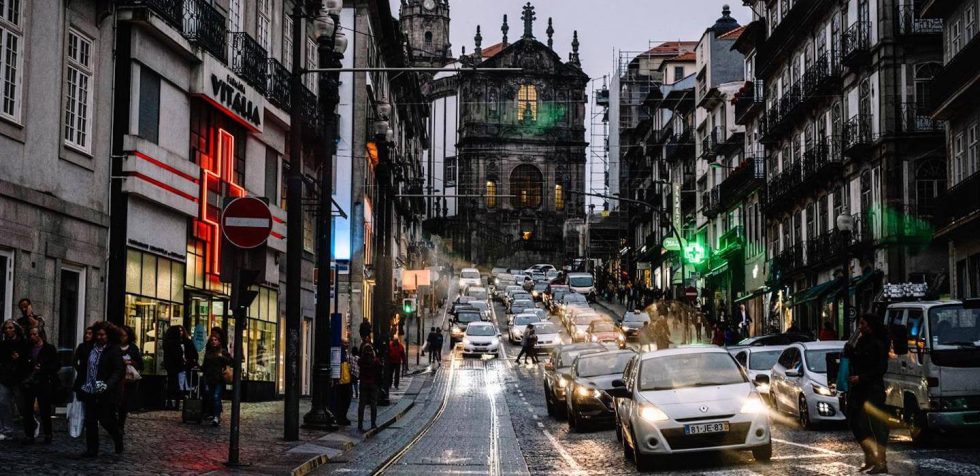
A new proposal aimed at easing congestion and improving traffic flow in the Porto metropolitan region is set to be presented to the national government. The president of the Porto Metropolitan Area has announced plans to recommend a ban on heavy vehicles using the VCI ring road during peak hours, a move designed to complement existing toll exemptions on alternative routes.
The proposal reflects growing concern about traffic pressure on one of northern Portugal’s busiest urban corridors. With commuter volumes rising and freight transport continuing to increase, local authorities are seeking measures that balance economic activity with quality of life for residents.
Why the VCI Has Become a Bottleneck
The VCI is a critical artery that circles the city of Porto, linking major motorways and serving daily commuters, public transport, and freight traffic. During morning and evening rush hours, congestion regularly reaches critical levels, leading to delays, increased emissions, and road safety concerns.
Heavy vehicles, while essential to regional logistics, occupy more space and accelerate traffic slowdowns during peak periods. Local officials argue that restricting their access at specific times could significantly improve traffic fluidity without disrupting freight movement entirely.
Link to Toll Exemptions on Alternative Routes
The proposed ban is intended to work alongside the toll exemption on the CREP A41, which already offers an alternative route for vehicles bypassing the city center. encouraging heavy traffic to use the A41 instead of the VCI during rush hour, authorities hope to redistribute vehicle flow more evenly across the network.
This complementary approach aims to avoid simply shifting congestion from one location to another. Officials believe that providing a toll free alternative makes the restriction more practical and acceptable for logistics operators and commercial drivers.
Potential Benefits for Commuters and the Environment
Supporters of the proposal highlight several potential benefits. Reduced congestion on the VCI could shorten commute times for thousands of daily drivers and improve the reliability of public transport services that share the roadway.
Environmental gains are also a key consideration. Stop and start traffic is a major contributor to urban air pollution and carbon emissions. Smoother traffic flow could help lower emissions in densely populated areas, supporting broader sustainability goals for the metropolitan region.
Road safety is another factor. Fewer heavy vehicles during peak hours may reduce the risk of accidents involving smaller cars and motorcycles, particularly in high density traffic conditions.
Concerns from the Transport Sector
Despite the potential advantages, the proposal is likely to face scrutiny from freight and logistics operators. Heavy vehicle restrictions can complicate delivery schedules and increase operating costs if detours add time or distance.
Local authorities have acknowledged these concerns and emphasized that the measure would apply only during defined peak periods rather than as a full time ban. Dialogue with industry stakeholders is expected before any final decision is made.
Transport experts note that successful implementation will depend on clear communication, enforcement, and coordination with businesses to minimize disruption.
What Happens Next
The proposal will be formally submitted to the Portuguese Government, which holds authority over traffic regulation on major roadways. If approved, further studies would likely define peak hour windows, enforcement mechanisms, and exemptions where necessary.
The discussion reflects a wider debate about how cities manage growing mobility demands. As urban regions expand, targeted restrictions combined with alternative routes are increasingly seen as tools to improve traffic efficiency without halting economic activity.
For Porto, the proposed rush hour ban represents an attempt to reclaim road space during the busiest times while maintaining the flow of goods that support the regional economy.


