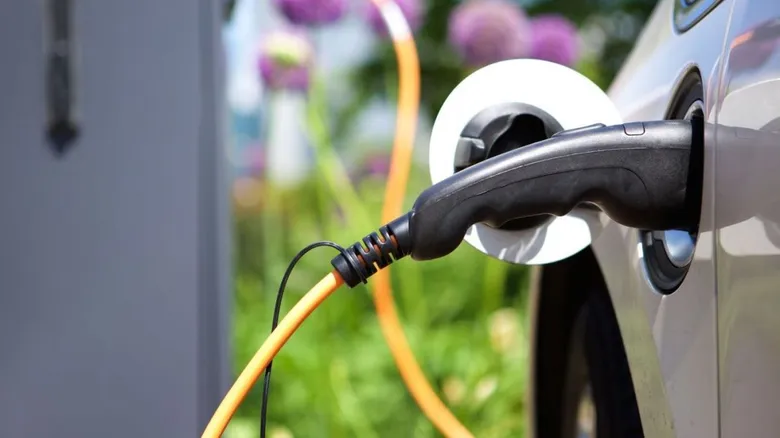
Portugal’s transition toward electric mobility has taken a significant step forward with the expansion of charging infrastructure along one of its most important road corridors. The A2 motorway, which connects Lisbon to the Algarve, now offers substantially improved charging capacity following new investment Galp. The move strengthens the reliability of long distance electric travel and supports the country’s broader climate and transport goals.
Major Expansion at Key Service Stations
Galp has reinforced its electric charging network at the Alcácer do Sal and Aljustrel service stations along the A2 motorway. Four new charging hubs have been created, providing a total of 48 ultra fast charging points. This represents a threefold increase from the 16 charging points that were available until recently.
The locations were strategically selected. Alcácer do Sal and Aljustrel sit along one of the busiest north south routes in Portugal, heavily used commuters, logistics operators, and tourists heading to the Algarve. Expanding charging capacity at these points reduces bottlenecks and improves confidence for drivers planning long journeys in electric vehicles.
Why Ultra Fast Charging Matters
Ultra fast charging significantly reduces waiting times, allowing drivers to recharge vehicles in minutes rather than hours. This is especially important on long distance routes where journey planning depends on predictable stops.
tripling the number of ultra fast chargers, Galp is addressing one of the most common concerns among electric vehicle users. Limited availability and long queues during peak travel periods have often discouraged drivers from choosing electric cars for motorway travel. Increased capacity directly tackles range anxiety and usability issues.
Supporting Tourism and Seasonal Traffic
The Lisbon Algarve route experiences intense seasonal demand, particularly during holidays and summer months. Traffic volumes increase sharply, placing pressure on service areas and infrastructure.
Improved charging capacity is likely to have a positive impact on tourism. Domestic and international visitors travelling electric vehicle can now plan trips with greater confidence, reducing reliance on fossil fuel vehicles. This supports Portugal’s image as a sustainable destination while also improving visitor experience.
Galp’s Role in Energy Transition
Galp’s investment reflects the evolving role of traditional energy companies in Portugal’s transition toward cleaner transport. expanding electric charging networks, the company is repositioning itself within a changing energy landscape where mobility is increasingly electrified.
The creation of charging hubs rather than isolated points also signals a shift in strategy. Hubs allow multiple vehicles to charge simultaneously, improving efficiency and scalability as electric vehicle adoption accelerates.
Infrastructure and Consumer Confidence
Charging infrastructure remains one of the most important factors influencing electric vehicle adoption. Consumers are more likely to switch when they see reliable, visible, and accessible charging options along major routes.
The expansion on the A2 motorway sends a clear signal that Portugal’s road network is adapting to new mobility needs. This visibility helps normalise electric travel and supports broader behavioural change among drivers.
Economic and Environmental Implications
Beyond mobility, improved charging infrastructure has economic implications. Construction, maintenance, and operation of charging hubs support jobs and encourage private investment in clean technology.
Environmentally, facilitating electric vehicle travel reduces emissions associated with road transport, particularly on long distance routes that traditionally rely on diesel vehicles. While infrastructure alone does not guarantee emissions reduction, it removes a major barrier to change.
A Step Toward Nationwide Coverage
The A2 expansion fits into a wider effort to ensure that Portugal’s main motorways are fully equipped for electric mobility. As more drivers transition to electric vehicles, coverage along secondary routes and rural areas will become the next challenge.
For now, strengthening the Lisbon Algarve corridor addresses one of the country’s most critical travel axes. It sets a benchmark for future upgrades across the national motorway network.
Looking Ahead for Electric Travel in Portugal
The tripling of charging points along the A2 motorway marks meaningful progress, but it also highlights rising demand. As electric vehicle ownership continues to grow, infrastructure must scale accordingly to avoid future congestion.
Galp’s latest investment suggests momentum is building. With reliable charging hubs now in place along a key route, Portugal moves closer to making electric mobility practical not just in cities, but across the entire country.