A last minute shift in trade policy
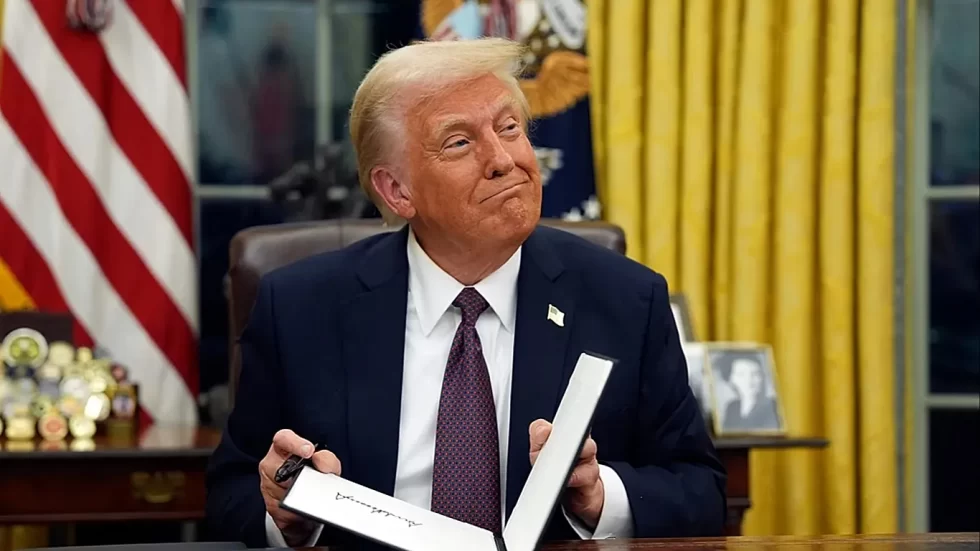
President Donald Trump has moved to ease pressure on two highly visible import sectors delaying and scaling back tariffs that were scheduled to take effect on January first two thousand twenty six. Planned tariff increases on imported furniture have been postponed for a year, while proposed punitive duties on Italian pasta have been reduced following months of negotiations.
The decision, announced shortly before the original implementation deadline, marks a notable adjustment in the administration’s trade approach. While tariffs remain a central tool of US trade policy, the move suggests a willingness to recalibrate when economic and political costs appear too high.
Furniture tariffs pushed back amid domestic concerns
The delay in furniture tariffs comes after sustained lobbying from retailers, manufacturers, and consumer groups. The furniture sector is heavily reliant on imports, particularly for finished products and components that are not easily or cheaply produced domestically. Industry representatives warned that steep tariffs would raise prices sharply for consumers while disrupting supply chains already strained logistics costs and labor shortages.
pushing the tariff hikes back a year, the administration has offered temporary relief to businesses that were preparing for higher costs at the start of twenty twenty six. Retailers argue that the postponement provides breathing room to adjust sourcing strategies and manage inventory without passing immediate price increases on to households.
The decision also reflects sensitivity to inflationary pressures. Furniture is a major consumer purchase, and sharp price rises could have added to broader cost of living concerns, particularly for middle income households.
Italian pasta duties scaled down after negotiations
In contrast to the furniture decision, tariffs on Italian pasta were not delayed but reduced in scale. The original proposal involved heavy duties designed to pressure European producers and signal toughness in trade negotiations. However, the pasta tariffs quickly became a symbol of potential overreach, drawing criticism from importers, restaurants, and consumers.
After months of discussions, the administration opted to scale back the most punitive elements of the plan. Officials indicated that the revised duties still protect domestic producers while avoiding excessive disruption to importers and food service businesses that rely on Italian pasta varieties.
The compromise highlights how targeted tariffs on everyday consumer goods can generate outsized public attention. Pasta imports may represent a relatively small share of overall trade, but their visibility in daily life amplified political and economic concerns.
Balancing protection and practicality
Supporters of the administration’s trade strategy argue that tariffs remain an effective tool for defending domestic industries and encouraging fairer trade practices. From this perspective, delaying or adjusting tariffs does not represent retreat but strategic flexibility.
Critics counter that frequent last minute changes create uncertainty for businesses and investors. Companies planning supply chains and pricing strategies depend on predictable policy timelines. Sudden delays or revisions can complicate decision making, even when they provide short term relief.
The furniture and pasta cases illustrate the challenge of balancing protectionist goals with practical economic realities. Tariffs aimed at reshoring production or strengthening bargaining positions can carry unintended consequences when applied to sectors with complex global supply chains.
Political and economic implications
The timing of the decision is significant. With tariffs set to take effect at the start of the year, the adjustment avoids an immediate shock to prices and supply. It also reduces the risk of negative headlines associated with rising costs for everyday goods such as sofas and food staples.
Internationally, the softer stance on pasta may help ease tensions with European partners, particularly Italy, which had pushed back against what it viewed as disproportionate measures. While the broader trade relationship remains shaped competition and negotiation, the move signals openness to compromise.
What happens next for tariff policy
Despite the changes, the administration has not abandoned its broader tariff strategy. The delay on furniture imports is temporary, not a cancellation, meaning businesses will still face uncertainty as the new deadline approaches. Similarly, reduced pasta tariffs could be revisited if negotiations stall or political priorities shift.
For now, the decisions offer a pause rather than a permanent resolution. They underscore how trade policy often evolves through pressure, negotiation, and adjustment rather than rigid enforcement.
A pause for consumers and businesses
The easing of these tariffs provides short term relief for consumers and businesses alike. Furniture buyers avoid immediate price hikes, and restaurants and retailers dependent on imported pasta gain cost stability.
At the same time, the episode highlights how trade policy can quickly intersect with everyday life. Decisions made in negotiations and policy rooms ultimately shape the prices and availability of common household goods, making even technical tariff adjustments a matter of broad public interest.