An extraordinary archaeological find beneath the city
Archaeologists in Budapest have uncovered a remarkably well preserved Roman tomb that had remained sealed for nearly seventeen centuries. Hidden beneath modern streets, the limestone sarcophagus offers an unusually intact window into burial practices dating back to the late Roman period. Finds of this quality are rare in dense urban environments, making the discovery particularly significant for researchers studying ancient life along the Roman frontier.
The tomb was revealed during construction related work, a reminder that layers of history often lie just beneath contemporary infrastructure. What makes this discovery exceptional is not only the age of the sarcophagus but also its condition, which has protected its contents from disturbance for almost two thousand years.
Inside the sealed limestone sarcophagus
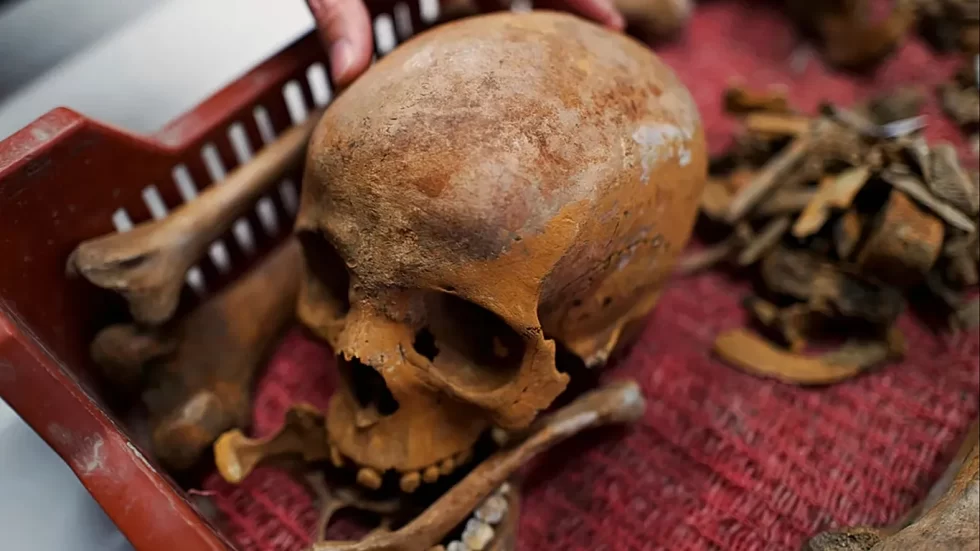
When archaeologists carefully lifted the lid, they found the skeleton of a young woman laid to rest according to Roman funerary customs. The remains were accompanied a collection of grave goods intended to support her journey into the afterlife. These objects included personal items and symbolic offerings, reflecting beliefs about death, identity, and continuity beyond life.
The preservation of both the coffin and its contents has allowed researchers to study details that are often lost in older or disturbed burial sites. The positioning of the body, the materials used, and the nature of the objects placed alongside her all provide clues about social status, cultural practices, and religious ideas of the time.
What the tomb reveals about Roman Budapest
During the Roman era, the area that is now Budapest was an important settlement on the edge of the empire, known for its strategic and military significance. The presence of such a carefully constructed tomb suggests a community with access to skilled craftsmanship and established burial traditions.
The limestone coffin itself points to considerable investment, as stone sarcophagi were not used for ordinary burials. This implies that the woman may have belonged to a family of some standing within the local Roman population. Her burial reflects how Roman customs were adapted and maintained even in frontier regions far from the imperial core.
Why the discovery is considered truly rare
Roman tombs are not uncommon across Europe, but finding one that has remained sealed and undisturbed for this length of time is exceptional. Many ancient graves were looted in antiquity or damaged later construction, limiting what archaeologists can learn from them.
In this case, the sealed sarcophagus created a stable environment that preserved organic material and artefacts. This allows for advanced scientific analysis, including studies of diet, health, and origin through skeletal examination. Such data can help build a more complete picture of daily life and social structures in Roman provincial towns.
Scientific and cultural importance
Beyond its immediate archaeological value, the find contributes to broader understanding of Roman influence in Central Europe. It highlights how Roman culture, rituals, and beliefs were embedded in local communities, shaping identity and social norms.
The discovery also underscores the importance of careful archaeological monitoring during urban development. Without such oversight, invaluable pieces of history could be lost forever. Instead, this tomb now offers an opportunity for public education and scholarly research.
What happens next for the artefacts
The sarcophagus, skeletal remains, and accompanying objects will undergo detailed conservation and study. Specialists will analyze materials, craftsmanship, and biological evidence to extract as much information as possible while ensuring long term preservation.
There is also interest in eventually displaying the findings to the public, either in a museum or special exhibition. Such displays help connect modern residents with the deep history of their city, transforming archaeological discoveries into shared cultural heritage.
A reminder of history beneath modern life
The discovery of the Roman tomb beneath Budapest’s streets serves as a powerful reminder that modern cities are built upon countless generations of human experience. Each excavation adds another layer to our understanding of the past, revealing stories that have waited centuries to be told.
As research continues, this rare find promises to deepen knowledge of Roman burial practices and the people who once lived at the fringes of a vast empire, leaving traces that still shape the cultural landscape today.