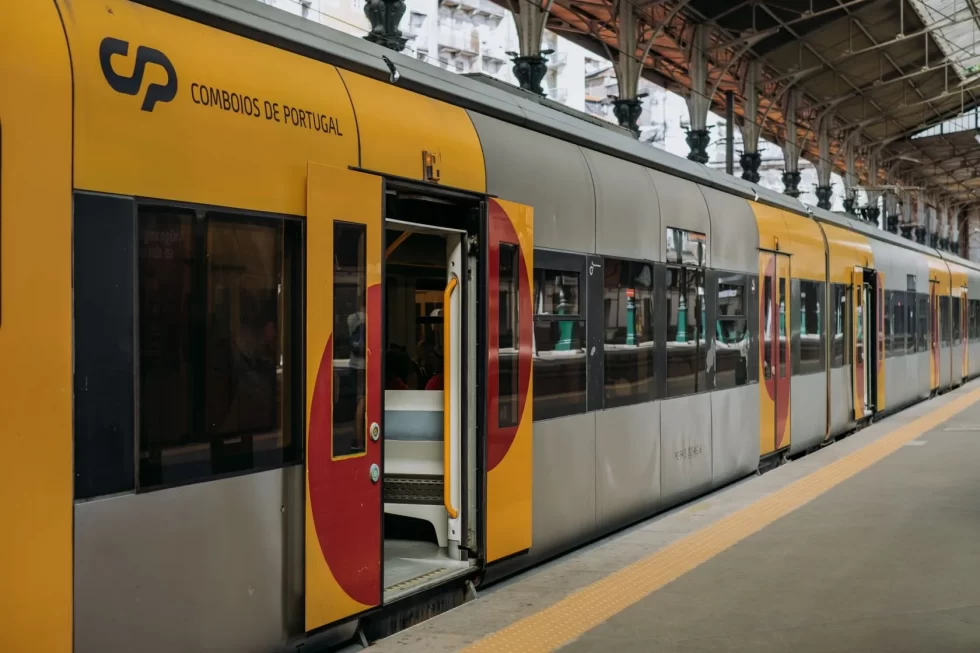
Morning disruption affects key stretch of the network
Service on Lisbon’s Metro Red Line was disrupted at around 10:30 am today after a train malfunction interrupted operations between the Airport and Moscavide stations. The disruption affected one of the most strategically important sections of the network, linking the city centre to Lisbon’s main international gateway and several high density residential and business areas.
The operator, Metropolitano de Lisboa, confirmed the interruption through information published on its official website, advising passengers to expect delays and seek alternative routes while technical teams worked to resolve the issue.
What passengers experienced during the interruption
Commuters travelling late in the morning reported stationary trains, crowded platforms and uncertainty around journey times. The Red Line is heavily used airport passengers, shift workers and office commuters, making even short interruptions disruptive.
With services suspended between Aeroporto and Moscavide, passengers were forced to exit trains and rely on surface transport options. Some opted for buses or ride hailing services, while others rerouted via different metro lines where possible.
The importance of the Red Line
The Red Line plays a critical role in Lisbon’s transport system. It connects the airport directly to the city and serves major hubs such as Oriente, an intermodal station linking trains, buses and long distance services. Any interruption along this line tends to have an outsized impact, particularly during daytime hours when airport traffic remains steady.
Unlike disruptions on less central routes, problems on the Red Line quickly ripple across the network. Increased passenger loads on parallel bus routes and connecting metro lines often follow, adding pressure to an already busy system.
What caused the service interruption
According to the metro operator, the disruption was caused a train malfunction. While no further technical details were immediately released, such incidents typically involve electrical, braking or signalling systems designed to halt operations automatically when a fault is detected.
Metro officials stress that these safeguards are essential for passenger safety. When anomalies occur, services are suspended in the affected section until the issue is assessed and resolved. Although frustrating for commuters, this approach is standard practice across urban rail systems.
Response from the metro operator
Technical teams were dispatched to the affected area shortly after the problem was identified. The company used its website and station announcements to keep passengers informed, though some commuters criticised the speed and clarity of updates during the initial phase of the disruption.
Lisbon Metro has increasingly relied on digital channels to communicate service issues, but passenger groups have repeatedly called for more consistent real time information, particularly during unexpected interruptions.
Wider context of pressure on Lisbon transport
The disruption comes at a time when Lisbon’s transport infrastructure is under sustained strain. Passenger numbers have grown steadily, driven tourism, population movement and a shift toward public transport. While investment has been made in maintenance and upgrades, aging rolling stock and infrastructure still present challenges.
Incidents like today’s highlight the delicate balance between reliability and capacity. Even minor technical failures can have significant consequences when systems operate close to their limits.
Advice for passengers during disruptions
Transport authorities typically advise passengers to check official channels before travelling, especially when using lines serving the airport. During Red Line interruptions, alternative routes may include bus connections from Oriente or transfers via other metro lines, depending on destination.
Passengers heading to the airport are often encouraged to allow extra time or consider alternative transport during service disruptions, as missed flights remain one of the most common concerns during such incidents.
Looking ahead
While service interruptions are an unavoidable part of operating complex transport systems, consistency and communication remain key to maintaining public trust. How quickly normal operations are restored and how clearly passengers are informed often shapes public perception more than the fault itself.
As Lisbon continues to grow and rely on its metro network, ensuring resilience and transparency during disruptions will remain a central challenge. Today’s Red Line interruption serves as another reminder of how vital reliable public transport is to the city’s daily life.