Members back major transformation plan
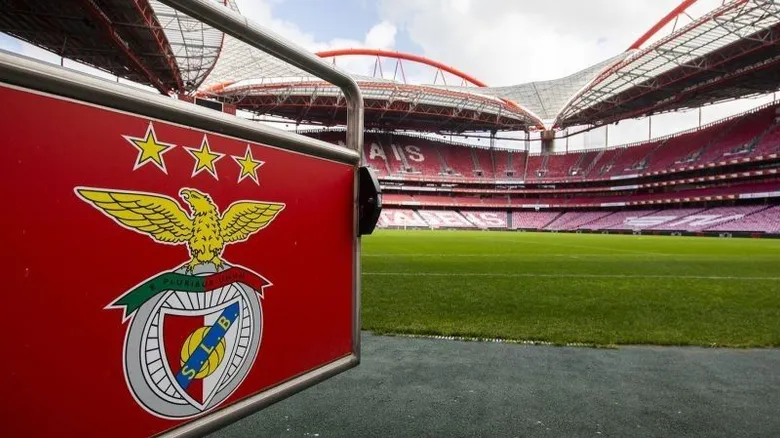
Members of SL Benfica have approved the ambitious Benfica District project, with 59.24 percent voting in favour. The decision was made during a general assembly that marked one of the most significant moments in the club’s recent institutional history, clearing the way for a large scale redevelopment of the area surrounding Estádio da Luz.
The vote reflects both support and division among members, with a clear majority backing the plan while a substantial minority expressed reservations. Even so, the approval gives the club’s leadership a formal mandate to move forward with a project designed to reshape Benfica’s physical and economic footprint in Lisbon.
What the Benfica District project involves
The Benfica District project aims to transform the stadium surroundings into a multifunctional urban space that extends far beyond matchdays. The plan includes new sports facilities, cultural and entertainment venues, commercial areas and public spaces intended for everyday use members, fans and local residents.
At the centre of the project is the idea of turning Estádio da Luz into a year round destination rather than a venue activated only on game days. integrating sport, leisure and community functions, Benfica hopes to strengthen its relationship with supporters while creating new revenue streams.
A strategic investment in the club’s future
Club leadership has framed the Benfica District as a long term strategic investment. Modern football clubs increasingly rely on diversified income sources, and large scale infrastructure projects are seen as essential to remaining competitive at both domestic and international levels.
The project is expected to require a substantial financial commitment, but supporters argue that controlled investment now can secure Benfica’s sustainability over coming decades. The aim is not only to modernise facilities but also to future proof the club in a rapidly evolving sports economy.
Supporters divided but engaged
The 59.24 percent approval rate highlights a membership that is engaged and opinionated. Some members raised concerns about financial risk, execution timelines and the long term impact on the club’s identity. Others argued that standing still would pose a greater risk than moving forward.
The vote itself demonstrates Benfica’s strong internal democracy, with major decisions placed directly in the hands of members. That process, even when contentious, reinforces the club’s identity as a member owned institution.
Impact on Lisbon and the local area
Beyond the club, the Benfica District has implications for the surrounding neighbourhood and the city of Lisbon. Large sports led redevelopment projects often act as catalysts for wider urban renewal, improving infrastructure, public space and economic activity.
If implemented as planned, the district could become a new reference point in Lisbon’s urban landscape, attracting visitors throughout the year and integrating more closely with local life rather than existing as a closed sports enclave.
Timing and broader ambitions
The approval also aligns with broader ambitions tied to international sporting events and Portugal’s visibility on the global stage. Upgrading facilities around Estádio da Luz positions Benfica to play a central role in future international competitions and large scale events.
For the club, this is about more than bricks and concrete. It is about asserting Benfica’s place among Europe’s modern elite institutions while preserving its historical roots.
What happens next
With member approval secured, the focus now shifts to implementation. Detailed planning, phased construction and financial oversight will be critical to maintaining trust among members, particularly those who voted against the proposal.
Transparent communication will play a key role in the months ahead as timelines, costs and concrete outcomes become clearer. The success of the project will ultimately be judged not its approval vote, but how effectively it delivers on its promises.
A defining moment for Benfica
The Benfica District vote marks a defining chapter in the club’s evolution. It reflects a willingness to embrace change while navigating internal debate and external pressure. Whether the project becomes a model for modern football infrastructure or a cautionary tale will depend on execution.
For now, Benfica members have chosen a path of transformation. The coming years will show how that choice reshapes the club, the stadium and its place within Lisbon’s urban and sporting identity.