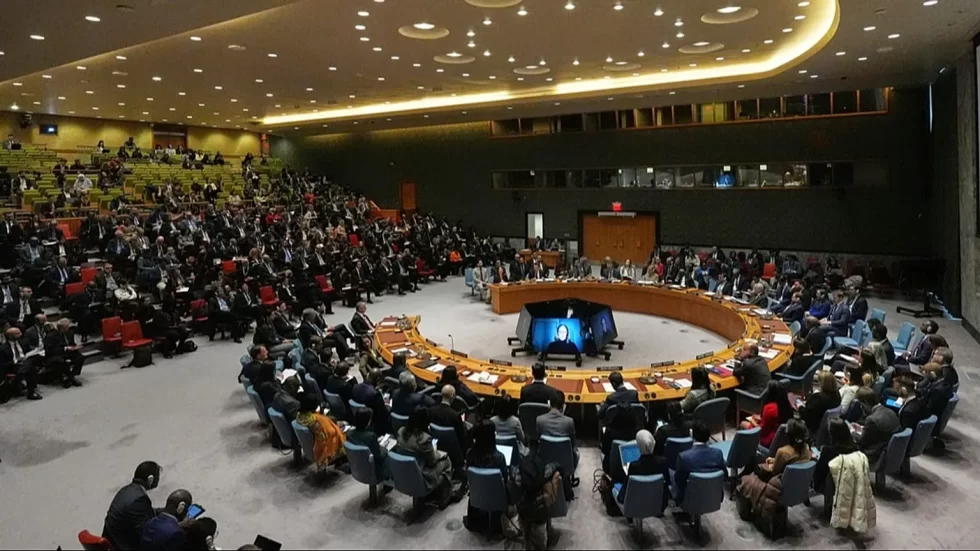
Several members of the UN Security Council have criticised the United States over its dramatic military operation in Venezuela, warning that the intervention risks undermining international law and regional stability. The objections were voiced during an emergency Security Council session convened after the weekend operation that led to the capture of Venezuelan president Nicolás Maduro and his wife Cilia Flores.
The emergency meeting was called amid growing international concern over Washington’s actions in Caracas. Delegates from several countries said the operation represented a dangerous precedent, arguing that the use of force without broad international backing weakened the authority of multilateral institutions. Speakers stressed that disputes involving sovereignty and governance should be addressed through diplomacy rather than military action.
US representatives defended the operation, describing it as a necessary response to security threats and criminal networks. They argued that the action was carefully targeted and aimed at restoring order and accountability in Venezuela. However, many council members rejected this justification, saying it bypassed established international norms and raised serious questions about legality.
Criticism intensified over recent remarks US President Donald Trump suggesting that similar military measures could be considered against other South American countries. References to possible action involving Mexico and Colombia, linked to allegations of drug trafficking, were described several delegations as alarming and destabilising. Diplomats warned that such statements risk escalating tensions across the region.
Representatives from Latin America expressed particular concern, noting the region’s long history of foreign intervention. They said the Venezuela operation revived painful memories and could erode trust between governments. Some speakers emphasised that regional problems such as organised crime and narcotics trafficking require cooperation, intelligence sharing and development support rather than unilateral force.
Russia and China both criticised the US intervention, calling for respect for national sovereignty and urging restraint. They argued that the Security Council should not be sidelined when major military actions are undertaken, warning that selective adherence to international rules could weaken the global security system. European members echoed concerns about precedent, while stopping short of endorsing any specific response.
The Venezuelan representative described the operation as an act of aggression and demanded accountability. He said the capture of the country’s leadership violated the UN Charter and called on the council to take concrete steps to prevent similar actions in the future. The statement was met with support from several delegations, though others urged caution to avoid further escalation.
Despite strong language, the emergency session did not produce a binding resolution. Diplomats acknowledged deep divisions within the council, making consensus difficult. Nonetheless, many said the debate itself was significant, reflecting widespread unease about the direction of US policy in the region.
Analysts say the episode highlights growing strain within the international system as major powers increasingly act outside established frameworks. The Security Council meeting underscored the challenge of enforcing collective rules when geopolitical rivalry and unilateral action collide.
As discussions continue, attention is turning to how the council and wider international community will respond if tensions escalate further. For now, the Venezuela operation has reignited debate over the limits of military power, the role of the United Nations and the future of collective security in an increasingly fragmented world.