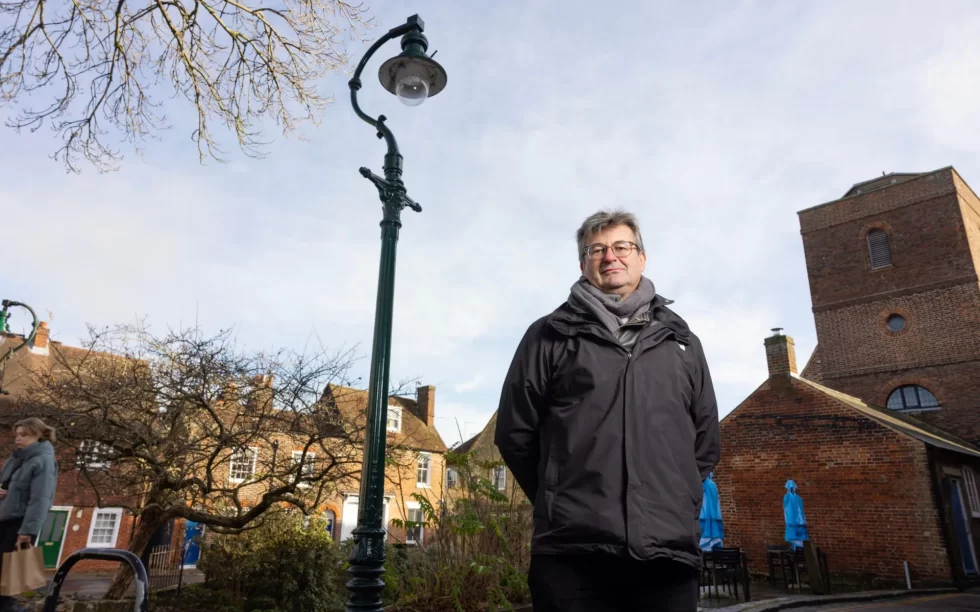
Britain’s historic towns are quietly falling apart, and the damage goes far beyond cracked pavements or rusting lampposts. Across the country, places that once embodied civic pride and local identity now look tired, neglected and forgotten. From medieval market towns to Victorian seaside centres, the signs of decay are becoming impossible to ignore.
Walk through many town centres today and the neglect is immediate. Lamp posts corrode without repair, pavements are uneven and hazardous, benches are broken, and public buildings are stained with years of grime. These are not cosmetic details. They shape how people experience their surroundings and how much they value the places they live in. When the physical environment is allowed to deteriorate, it sends a clear message that standards no longer matter.
Councils often blame austerity, and there is no doubt that years of funding cuts have taken a heavy toll. Local authorities have been forced to prioritise statutory services such as social care, leaving little room for maintenance and public realm investment. But austerity alone does not explain the scale of decline. Even within tight budgets, choices are being made, and too often the everyday fabric of towns is at the bottom of the list.
The erosion of public space has consequences that extend beyond appearance. Poorly maintained streets discourage footfall, harm local businesses and undermine regeneration efforts. Visitors notice. Residents notice even more. When town centres feel uncared for, people disengage, spending less time locally and investing less emotionally in their communities.
There is also a deeper cultural loss taking place. Britain’s historic towns are repositories of shared memory, shaped over centuries civic ambition and public responsibility. Town halls, squares, streets and parks were once symbols of collective effort and pride. Allowing them to decay weakens that connection to the past and dilutes a sense of belonging.
Some councils argue that private investment will eventually revive struggling areas. But neglecting basic upkeep while waiting for developers is a false economy. Crumbling infrastructure deters investment rather than attracting it. Developers and entrepreneurs are far more likely to engage with places that demonstrate care, competence and long term vision.
The problem is not confined to one region or political leadership. It is visible in towns governed councils of every political colour. What unites them is a growing acceptance of decline as normal. Temporary fixes replace proper repairs. Cosmetic projects are announced while fundamental maintenance is ignored. Responsibility is deferred year after year.
Residents increasingly feel powerless. Complaints about broken pavements or unsafe street furniture are logged, acknowledged and forgotten. The gap between council rhetoric and lived reality continues to widen, breeding cynicism and frustration.
Yet decline is not inevitable. Some towns have shown that even modest investment, if well targeted, can transform public spaces. Simple measures such as consistent maintenance, responsive repairs and respect for heritage can make a visible difference. What is required is not grand visions, but a renewed commitment to stewardship.
Britain’s historic towns deserve better than managed decay. They deserve councils that see maintenance not as a burden, but as a core duty. Civic pride is not built through slogans or strategy documents. It is built through care, attention and the refusal to accept that rust, cracks and neglect are the best we can do.