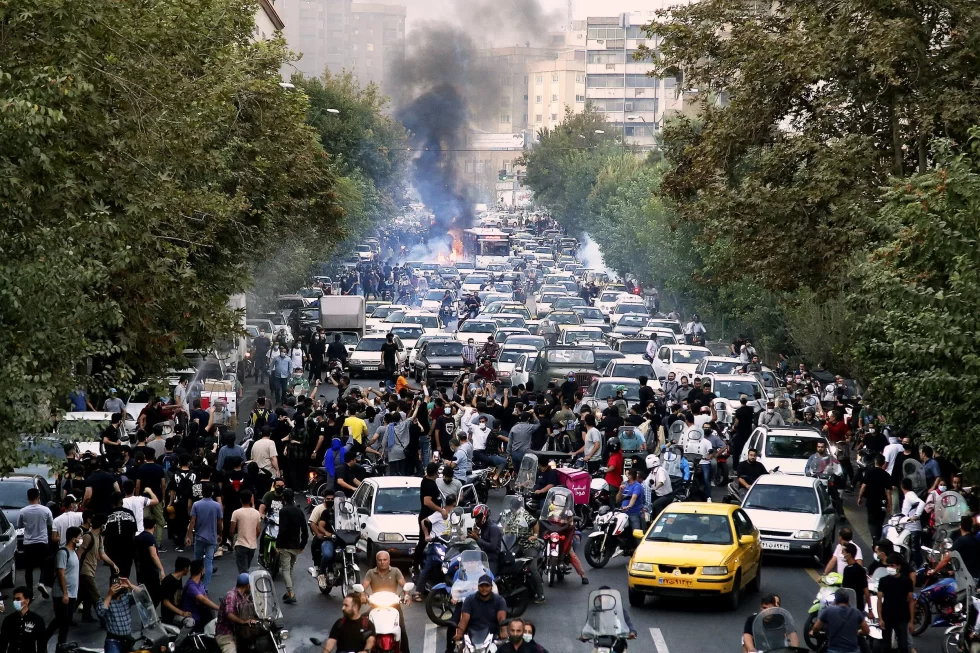
Iran has imposed sweeping internet restrictions as protests spread across the country, raising fears that the blackout could allow security forces to intensify their crackdown away from public scrutiny. The move comes amid mounting reports of deaths and injuries as demonstrations challenge the authority of the state.
Connectivity monitoring groups and users inside the country reported widespread disruptions to mobile data and fixed line internet services across multiple provinces. Messaging platforms and social media sites became inaccessible for many Iranians, cutting off a vital channel for communication, organisation and the sharing of information with the outside world.
The protests, which have flared in major cities and regional centres, reflect deep frustration over economic hardship, political repression and long standing grievances against the ruling system. Demonstrators have gathered despite a heavy security presence, with videos circulated before the blackout showing clashes between protesters and riot police.
Authorities have not provided a detailed public explanation for the shutdown, but officials have previously justified similar measures as necessary to maintain public order and prevent what they describe as foreign interference. Critics argue that internet blackouts are a deliberate tactic used during moments of unrest to obscure the scale of protests and limit documentation of abuses.
Human rights groups warn that the loss of connectivity significantly increases the risk to civilians. Without the ability to livestream events or contact journalists and international organisations, protesters are more vulnerable to excessive use of force. Activists say past shutdowns in Iran have coincided with some of the deadliest phases of crackdowns.
Reports from hospitals and local sources suggest the death toll has continued to rise since demonstrations began, although the true number remains difficult to verify due to the communication restrictions. Families of victims have reportedly been pressured to remain silent, adding to concerns about transparency and accountability.
The blackout has also had immediate economic consequences. Businesses that rely on online transactions have been disrupted, while students and professionals have been cut off from remote work and education. For many Iranians already struggling with inflation and unemployment, the shutdown has compounded daily hardships.
Internet access in Iran is heavily controlled even under normal circumstances, with many global platforms blocked or restricted. During periods of unrest, authorities have repeatedly demonstrated their ability to sharply curtail access nationwide. Observers say this reflects the central role digital communication now plays in modern protest movements.
International reaction has been swift. Several governments and rights organisations have condemned the shutdown, calling on Tehran to restore access and respect the right to peaceful assembly. They argue that restricting the internet violates basic freedoms and increases the likelihood of human rights violations.
Inside the country, the blackout has not fully extinguished dissent. Protesters have continued to gather in some areas, relying on word of mouth and local networks. However, the absence of real time information has created confusion and fear, with many unsure of conditions beyond their immediate surroundings.
Analysts say the decision to shut down the internet underscores the authorities’ concern about losing control of the narrative. Images and testimonies shared online in previous protests have played a crucial role in mobilising domestic and international pressure. cutting connectivity, the state seeks to limit that exposure.
As the situation develops, uncertainty remains high. Without reliable information flowing in and out of Iran, assessing the scale of the unrest and the response security forces is increasingly difficult. For many Iranians, the blackout itself has become another symbol of repression, reinforcing the very anger that brought people into the streets.