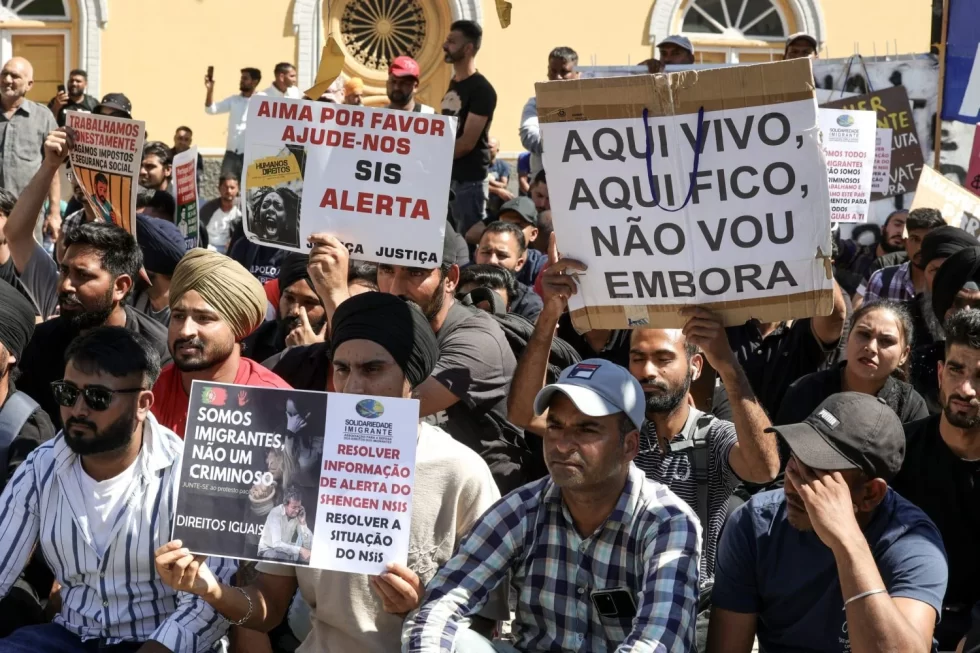
Portugal’s public security police have identified around 900 foreign nationals living in 56 illegal residences in Porto, highlighting growing concerns about overcrowded housing and irregular immigration in the country’s second-largest city. The findings were disclosed in the PSP’s 2025 report on efforts to address illegal immigration, released as the government faces criticism over its broader migration policy.
According to the PSP, inspections carried out in Porto uncovered dozens of properties being used as informal accommodation for migrants, many of them operating outside legal and regulatory frameworks. Police said the residences showed multiple irregularities, ranging from severe overcrowding to poor hygiene and safety conditions.
In a statement published on Tuesday, the PSP described the properties as lacking minimum standards of habitability. Officers reported infestations of insects, inadequate sanitation, and serious fire and structural safety risks. In many cases, tenants were living without formal rental contracts, leaving them with little legal protection and exposing landlords and intermediaries to potential criminal liability.
The situation in Porto was singled out as particularly concerning due to the scale of the problem. Police said some properties housed dozens of people in conditions unfit for residential use, including former warehouses and subdivided apartments where multiple families shared limited facilities. Authorities warned that such conditions pose risks not only to residents but also to surrounding communities.
The report was published against the backdrop of a controversial government decision to pay €8.4 million to the European Union in order not to receive 420 asylum seekers under the bloc’s relocation mechanisms. Critics argue that while Portugal is opting out of accepting new asylum seekers, existing problems linked to irregular migration and housing exploitation are becoming more visible.
Police officials stressed that the issue is not solely about immigration enforcement but also about protecting vulnerable people from abuse. Many of those found living in illegal residences are believed to be working in low-paid sectors such as construction, cleaning, hospitality, and delivery services. Without formal housing contracts, they are more easily exploited and less likely to report unsafe conditions.
The PSP said it is working in coordination with local authorities, social services, and immigration agencies to address the problem. Measures include closing properties deemed unsafe, identifying landlords responsible for illegal lettings, and referring residents to support services where possible. However, officers acknowledged that solutions are limited a shortage of affordable housing, particularly in urban centres like Porto.
Municipal officials have previously warned that rising rents and tourism-driven pressure on the housing market are pushing vulnerable populations into informal and illegal accommodation. Migrant advocacy groups argue that enforcement alone will not resolve the issue and are calling for more investment in affordable housing and regularisation pathways.
The PSP report also notes that Porto is not an isolated case and that similar patterns are being observed in other Portuguese cities, including Lisbon and parts of the Algarve. Police say the concentration of irregular housing reflects broader structural challenges rather than isolated criminal activity.
Authorities say further inspections are planned in 2026 as part of a national strategy to combat illegal immigration networks and housing exploitation. For now, the findings in Porto have intensified debate over how Portugal balances migration control, housing policy, and the protection of basic living standards.