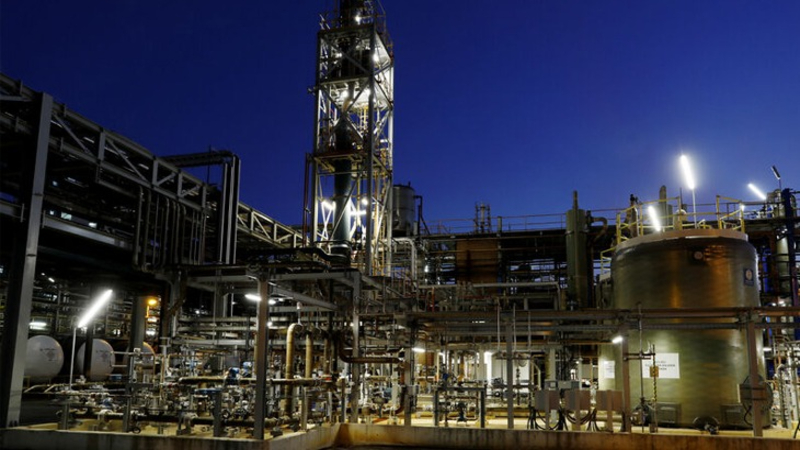
Portugal has taken a significant step toward strengthening its position in Europe’s electric vehicle supply chain after the government awarded a substantial grant to support the construction of a lithium refinery in the north of the country. The project, led Lifthium Energy, will receive 180 million euros in non refundable public funding aimed at accelerating the transition toward battery grade lithium production. The refinery is planned for Estarreja, an established industrial hub located south of Porto, and is expected to play a central role in supporting Europe’s growing demand for electric vehicle batteries. While Portugal is already Europe’s largest producer of lithium reserves, output has historically been directed toward traditional industries such as ceramics, making this initiative a strategic shift toward higher value processing and industrial integration.
The funding was granted under a European Union framework designed to help member states advance green and industrial transformation during periods of economic strain. According to the company, the public incentive is intended to reduce investment risk at a time when lithium markets have become more volatile and financing conditions more challenging. Lifthium is majority owned Portuguese conglomerate Jose de Mello, with the remainder held its chemical subsidiary Bondalti, which already operates industrial facilities in the Estarreja area. The refinery is expected to begin operations the end of the decade, with plans to refine lithium hydroxide using proprietary technology aligned with European environmental and industrial standards. Once operational, the plant is projected to have the capacity to supply lithium for millions of electric vehicle batteries each year.
Company executives have indicated that while the grant represents a critical milestone, further steps are required before a final investment decision is taken. Securing strategic partners and confirming long term market demand remain priorities, particularly as Europe seeks to reduce reliance on imported battery materials. In parallel, Portuguese authorities are preparing to relaunch long delayed tenders for lithium prospecting licences, seen as essential to developing a full domestic value chain from extraction to refining. The government views the refinery project as part of a broader industrial strategy aimed at anchoring clean technology investment within the country while contributing to European energy security objectives. With additional refinery capacity also being considered outside Portugal, the Estarreja project is positioned as a test case for how public support can catalyse private investment in strategic raw materials.