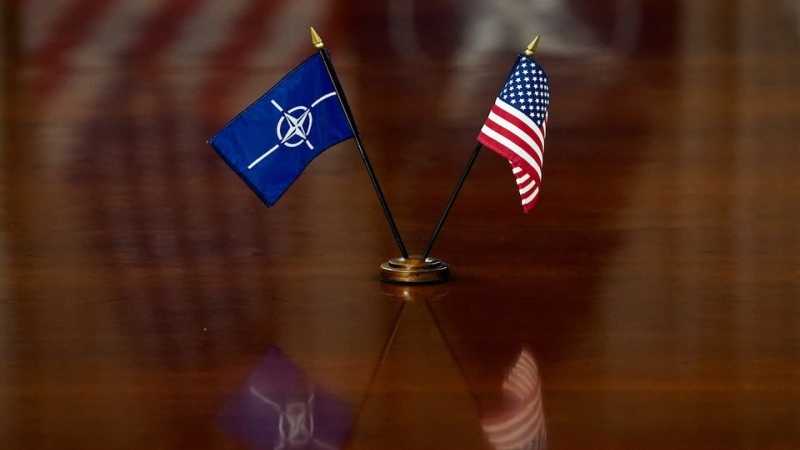
The United States is preparing to reduce its staffing presence within several NATO command structures, a move that is drawing concern among European allies at a time of heightened diplomatic strain within the alliance. According to officials familiar with the matter, Washington intends to cut around 200 positions from NATO bodies responsible for military planning, intelligence coordination, and operational oversight. The reductions are expected to be implemented gradually, largely leaving posts unfilled as personnel rotate out rather than through immediate withdrawals. While the cuts represent a small fraction of the overall US military footprint in Europe, they come at a sensitive moment for the alliance, which is navigating internal disagreements and shifting strategic priorities. European officials have privately expressed unease that the decision could be interpreted as a signal of reduced US commitment to collective defence, even as security challenges on NATO’s eastern flank remain unresolved.
Among the NATO structures affected are units involved in intelligence analysis, special operations coordination, and maritime oversight, including facilities based in the United Kingdom, Belgium, and Portugal. Officials said the decision aligns with a broader US policy focus on reallocating resources toward the Western Hemisphere, reflecting evolving defence priorities under the current administration. Supporters of the move argue that it does not amount to a strategic withdrawal from Europe, noting that tens of thousands of US troops remain stationed across the continent. However, critics warn that reducing personnel in key planning and coordination roles could weaken institutional capacity and complicate joint decision making. The timing of the cuts has added to anxiety within NATO, where debates over burden sharing, defence spending, and strategic autonomy have intensified over the past year.
The planned reductions come as the alliance faces one of the most politically challenging periods in its history, marked renewed disputes over territorial issues and trade tensions among member states. Recent statements and policy signals from Washington have reignited questions about the long term balance of responsibilities within NATO, particularly regarding Europe’s role in conventional defence. NATO officials have sought to play down the impact of the staffing changes, stressing that adjustments to personnel levels are not unusual and that coordination with US authorities remains close. Even so, analysts say the symbolic impact of the move may outweigh its immediate military effect, reinforcing perceptions in Europe that the alliance is entering a phase of uncertainty that will require greater internal cohesion and strategic clarity to navigate effectively.