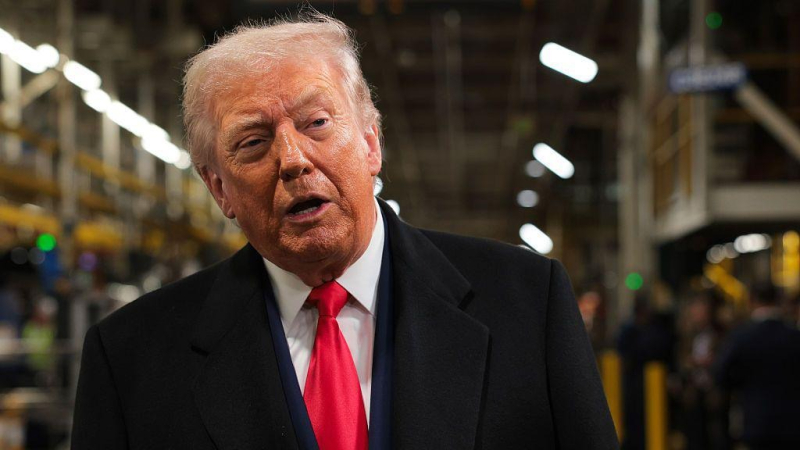
US President Donald Trump has declared that inflation has been defeated, using his appearance at the World Economic Forum in Davos to portray the American economy as booming and resilient. Addressing global political and business leaders, Trump described the United States as the world’s leading economic engine, citing strong growth, rising productivity, and improved incomes during the first year of his second term. He also claimed major success in trade policy, arguing that new agreements sharply reduced the trade deficit without triggering higher prices. While inflation has eased from earlier peaks, official data shows consumer prices are still rising faster than the Federal Reserve’s preferred level. December figures indicate inflation remains above target, suggesting that price pressures have moderated rather than disappeared. Despite the optimistic tone struck in Davos, the gap between political messaging and economic data has drawn attention, particularly as households continue to face higher costs for essentials.
Recent figures from US labor statistics highlight that inflation, although cooler than in previous years, remains persistent. Headline inflation stood at 2.7 percent in December, with core inflation only slightly lower, while month to month price increases continued across multiple categories. Food prices remain a particular concern, with grocery costs significantly higher than before the pandemic and showing renewed monthly increases. These pressures have shaped public sentiment, with surveys indicating that many Americans feel limited relief from the easing trend. Trump has repeatedly emphasized affordability during his campaign and presidency, promising to lower everyday costs, yet broad based price declines have not materialized. Economists note that many current price levels were driven earlier supply chain disruptions and global shocks, meaning reductions are harder to achieve. As a result, perceptions of economic well being remain mixed despite improved headline indicators.
Attention is also turning toward monetary policy and the future direction of interest rates as inflation gradually cools. Federal Reserve officials have signaled that further rate cuts may be possible later in the year if price stability continues to improve, following a modest reduction at the end of last year. Lower borrowing costs could eventually ease pressure on consumers through cheaper loans and mortgages, though the impact is expected to take time. At the same time, the Trump administration is moving to reshape leadership at the Federal Reserve, with a new chair expected to be announced soon. The timing is politically sensitive, as Trump has pushed for more aggressive rate reductions to support growth and lower government debt servicing costs. With inflation still above target and policy changes underway, markets and consumers remain cautious about declaring victory over rising prices.