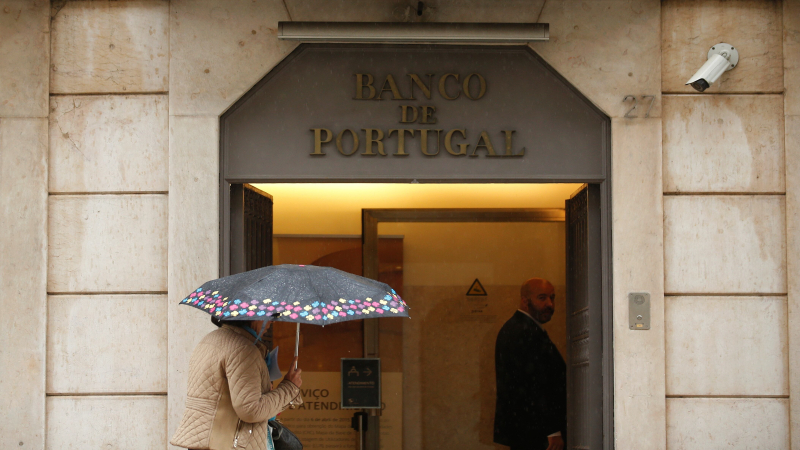
Portugal’s banking sector has entered 2026 with a confident set of earnings reports. Major lenders are posting strong profits, supported higher interest margins, stable balance sheets, and what executives describe as disciplined lending practices. From an institutional perspective, the system appears resilient and well capitalized.
For households and small businesses, the experience feels different. Mortgage payments remain elevated, new credit is costly, and refinancing offers little relief. While banks celebrate stability, borrowers are adjusting to a financial environment that feels tighter than the headlines suggest.
Bank Profitability Reflects a New Interest Rate Reality
The return of higher interest rates has reshaped the financial landscape for Portuguese banks. After years of compressed margins, lenders are once again earning more on loans than they pay on deposits. This shift has been central to the recent rise in profits.
Banks have also benefited from relatively low default rates. Despite higher borrowing costs, most households have continued servicing their loans. This has reinforced the perception that the system is not only profitable but also stable.
From a balance sheet perspective, the results are encouraging. Capital ratios remain solid, and exposure to risky assets has been carefully managed. These factors allow banks to present themselves as pillars of financial health.
Borrowers Feel the Cost of Stability
While banks emphasize discipline, borrowers experience its consequences directly. Mortgage rates remain significantly higher than during the low rate era, and variable rate loans continue to adjust upward. For many households, monthly payments have increased sharply over the past year.
New credit has also become more selective. Lending standards are stricter, approval processes are longer, and loan pricing reflects a cautious approach. Small businesses, in particular, report difficulty securing affordable financing for expansion or investment.
This gap between institutional health and consumer experience highlights a central tension. Stability at the system level often requires restraint at the individual level.
Deposits Grow Slowly as Savers Wait
Another source of frustration for consumers is the slow adjustment of deposit rates. While lending rates have risen quickly, returns on savings have increased more gradually. Many savers feel they are subsidizing bank profitability through low deposit yields.
Banks argue that deposit competition remains manageable and that gradual increases reflect long term funding strategies. For customers, the explanation offers little comfort when inflation continues to erode purchasing power.
This imbalance reinforces the perception that financial normalization has favored institutions more than individuals.
Regulation and Prudence Shape the Credit Environment
Portugal’s banks operate within a regulatory framework designed to prevent the excesses of the past. Capital buffers, stress testing, and supervisory oversight all encourage caution. These measures have contributed to the sector’s current strength.
However, regulation also limits how aggressively banks can expand credit or reduce pricing. Prudence is rewarded, but flexibility is constrained. The result is a system that prioritizes resilience over accessibility.
For policymakers, this trade off is acceptable. For borrowers, it feels restrictive.
Confidence Without Comfort
The banking sector’s performance sends a reassuring signal to investors and regulators. There is no immediate sign of systemic stress. Liquidity is sufficient, and profitability supports long term viability.
Yet confidence does not always translate into comfort. Households continue to adjust budgets. Businesses delay investment. Credit exists, but it comes at a price that reflects caution rather than encouragement.
This disconnect defines the current phase of Portugal’s financial cycle.
Conclusion
Portugal’s banks are strong, profitable, and stable. Credit is available, but it is expensive. The system is working as designed, prioritizing resilience over ease. For institutions, this is success. For borrowers, it remains a test of endurance.