Recent inflows of dollar revenue from oil sales are unlikely to resolve Venezuela’s long standing economic problems, according to a former government minister and prominent economist. He said the current arrangement governing Venezuela’s oil exports provides limited short term relief but leaves the country’s underlying structural weaknesses untouched. Under the existing framework, oil deliveries are permitted under strict controls, with proceeds managed externally and released to the Venezuelan state under conditions. This has marginally improved access to foreign currency but has not addressed deeper issues such as institutional breakdown, weak property rights, and political repression. The economist described the policy as a temporary liquidity measure rather than a solution capable of restoring sustainable growth. While additional dollars may ease immediate cash shortages, he warned that without reforms to governance and economic institutions, the impact will remain limited and fragile.
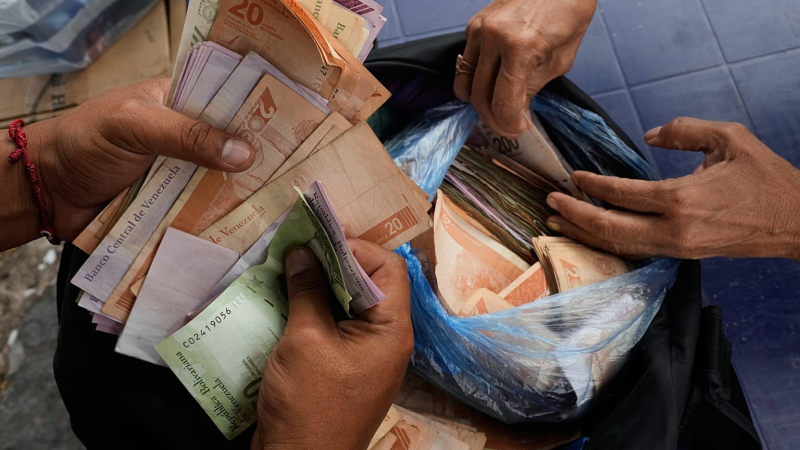
Venezuela is also experiencing a widespread shift toward the use of the US dollar in daily transactions as confidence in the bolívar continues to erode. Hyperinflation and repeated currency devaluations have pushed households and businesses to price goods and services in dollars, even though the dollar is not officially recognised as legal tender. Most wages and pensions are still paid in bolívars, creating a widening gap between incomes and living costs. The economist noted that few people are willing to save in the national currency, effectively removing it from its traditional role as a store of value. At the same time, the absence of a fully functioning financial system prevents banks from offering savings or credit in dollars, limiting investment and economic recovery despite the growing presence of foreign currency in everyday commerce.
The imbalance between dollar based prices and bolívar denominated incomes has significantly reduced purchasing power for much of the population. The government has adjusted salaries and pensions to manage fiscal pressures, but these increases have failed to keep pace with rising costs. Prices for basic goods and services are often comparable to those in developed economies, reflecting both dollar pricing and the risk premium associated with operating in an unstable environment. This has deepened reliance on remittances sent Venezuelans living abroad, many of whom left the country amid prolonged economic and humanitarian hardship. The economist stressed that genuine recovery requires more than increased cash flow, arguing that restoring fundamental rights, rebuilding infrastructure, and reestablishing productive capacity are essential steps toward long term stability and growth.