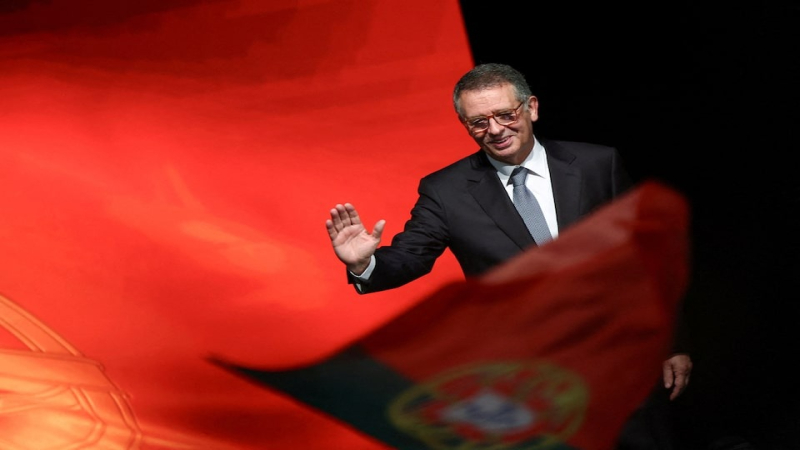
Portugal has elected a new president in a decisive runoff vote that delivered a landslide victory to moderate Socialist Antonio Jose Seguro, while also confirming the growing influence of the country’s far right movement. The result marks a clear endorsement of centrist politics a majority of voters, even as populist forces continue to gain ground.
With most ballots counted, Seguro secured around two thirds of the vote, comfortably defeating his rival Andre Ventura, who finished with roughly one third. The outcome gives Seguro a five year presidential mandate and makes him Portugal’s first Socialist head of state in two decades. He succeeds Marcelo Rebelo de Sousa, a conservative who completed two terms in office.
Seguro’s victory was strengthened support from across the political spectrum. After the first round, several prominent conservative figures publicly backed him, citing concerns over Ventura’s populist rhetoric and what critics describe as authoritarian tendencies. This unusual alignment between centre left and centre right forces played a decisive role in shaping the runoff.
Despite severe weather conditions in the days leading up to the vote, turnout remained broadly in line with the first round held in January. Storms and flooding forced a small number of municipalities to delay voting, yet participation levels held steady, signalling strong voter engagement at a moment of political significance.
Speaking to supporters after the results became clear, Seguro said the vote reflected the Portuguese people’s commitment to freedom, democracy and the country’s future. At 63, he has presented himself as a stabilising figure who can bridge divisions and act as a mediator during times of political tension.
Although defeated, Ventura emerged from the election with enhanced political clout. His result significantly exceeded the share of votes won his anti immigration Chega party in last year’s parliamentary election, underlining the steady rise of the far right in Portugal in line with broader European trends. Chega has already become a major force in parliament, reshaping the balance of power on the right.
Ventura acknowledged that much of the political establishment had united against him, but argued that the election confirmed his leadership of the right wing space. Analysts note that while his appeal is growing, his high rejection rate among voters could limit Chega’s ability to govern, even if it were to top a future general election. A centrist alliance could still block it from power.
Portugal’s presidency is largely ceremonial but carries important constitutional authority, including the power to dissolve parliament and veto legislation in specific circumstances. Seguro has indicated he intends to use the role to defend democratic values and prevent political crises. He has also warned that he would not approve proposed labour reforms unless unions agree, setting the stage for careful negotiations between the presidency and the government.