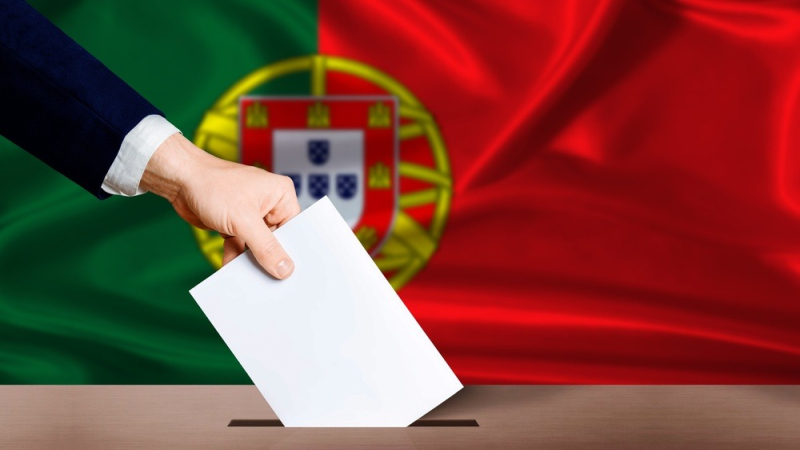
Portugal has entered a new political chapter following the presidential victory of António José Seguro in the 2026 election. While the Portuguese presidency is not an executive role in the same sense as the prime minister’s office, the position carries constitutional influence, agenda setting power, and symbolic weight in shaping national direction. At a time of fragile global growth, renewed trade tensions, and shifting European alliances, markets are assessing whether this political transition signals policy continuity or subtle recalibration.
A Presidency with Strategic Signaling Power
Under Portugal’s semi presidential system, the head of state does not directly draft budgets or manage daily economic policy. However, the president holds the authority to veto legislation, dissolve parliament under specific conditions, and influence public debate. In periods of uncertainty, that influence can shape investor perception as much as formal policy instruments.
Seguro’s campaign messaging emphasized institutional stability, social cohesion, and constructive engagement within the European Union. For financial markets, continuity in Portugal’s European alignment is critical. The country’s economic recovery over the past decade has been closely tied to EU funding mechanisms, fiscal coordination, and investor confidence within the euro area framework.
While the presidency does not directly determine fiscal policy, it can reinforce commitments to budget discipline and structural reform. Given Portugal’s still elevated public debt levels, markets will look for signs that the new administration supports predictable macroeconomic management rather than political volatility.
Market Confidence and Sovereign Stability
Portugal has spent years rebuilding credibility after the eurozone debt crisis. Bond spreads narrowed significantly as fiscal consolidation and growth improved debt dynamics. Any political shift that introduces uncertainty could widen spreads or unsettle investor sentiment.
Early reactions suggest that Seguro’s election is being interpreted as a stabilizing outcome rather than a disruptive one. Stability is particularly valuable in an environment marked global trade tensions and tighter financial conditions. If the presidency maintains constructive dialogue between government institutions and avoids confrontational politics, sovereign risk perceptions are likely to remain contained.
Equity markets may respond more subtly. Portuguese listed firms are exposed to European growth cycles, tourism flows, and export demand. A presidency that promotes policy predictability can indirectly support corporate planning and capital investment decisions, even without direct economic authority.
EU Strategy and Lisbon’s Voice in Brussels
Portugal’s influence within the European Union has often been shaped coalition building rather than confrontation. Seguro’s pro European orientation suggests continued alignment with collective EU priorities, including fiscal coordination, energy transition funding, and digital competitiveness.
As Brussels debates industrial strategy, defense coordination, and trade policy responses to global protectionism, Lisbon’s stance matters. The presidency can help frame Portugal’s position on these issues and reinforce commitments to European integration. In doing so, it also signals to international investors that Portugal remains anchored within a stable policy bloc.
This is particularly relevant as discussions intensify around strategic autonomy, supply chain resilience, and cross border investment screening. A president who supports coordinated European action strengthens Portugal’s credibility in navigating these debates.
Domestic Policy Tone and Institutional Balance
Although the president does not draft legislation, the office shapes political tone. During periods of divided government or fragile coalitions, the presidency can act as mediator or stabilizer. Markets value institutional balance because it reduces the probability of abrupt policy shifts.
Seguro’s background and public positioning emphasize moderation and dialogue. That tone may be especially important if economic growth moderates or if external shocks test fiscal space. The ability of institutions to manage disagreement without escalating into instability is a key variable in sovereign risk assessments.
Portugal’s economic model relies on a combination of tourism, exports, EU funds, and growing technology investment. None of these pillars is immune to external pressures. A presidency that reinforces rule based governance and institutional continuity can help buffer against volatility maintaining investor trust.
Conclusion
António José Seguro’s presidential victory is unlikely to produce immediate policy upheaval, but it carries strategic significance for Portugal’s EU alignment and market confidence. In an era of global uncertainty, institutional stability and predictable European engagement may prove as valuable to investors as formal economic reforms.