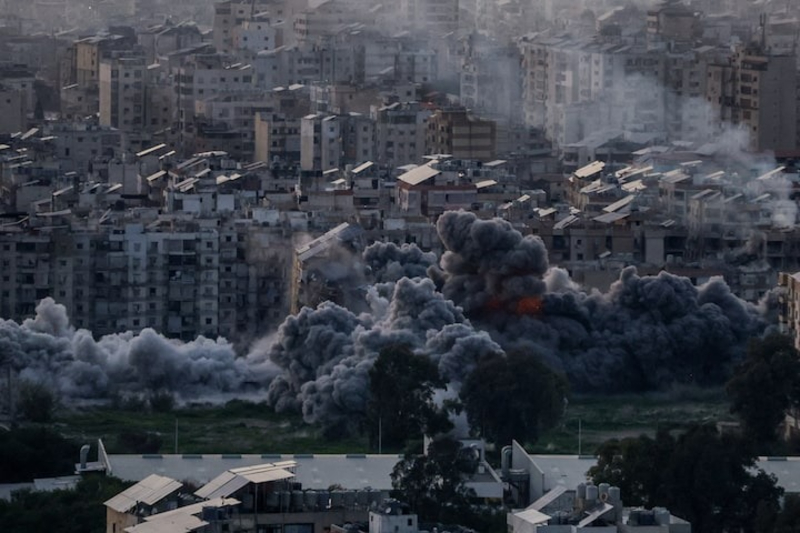
The escalating conflict involving the United States Israel and Iran is sending shockwaves through global business and financial markets as companies grapple with rising energy prices disrupted supply chains and growing uncertainty across international trade routes. The conflict has intensified tensions in the Middle East which is a critical hub for global energy and shipping networks. Businesses across sectors including manufacturing transport and consumer goods are now facing increased costs and logistical challenges. Economists warn that if the situation continues for an extended period it could slow global economic growth and trigger another wave of inflation in key markets.
One of the most immediate consequences of the conflict has been the disruption of major transportation corridors across the Middle East. Shipping traffic through the Strait of Hormuz has slowed dramatically after retaliatory actions targeted vessels and regional infrastructure. The narrow waterway is responsible for transporting roughly one fifth of the world’s oil supply making any disruption there a major concern for global markets. Air travel routes across parts of the Gulf have also been affected forcing airlines to reroute flights or cancel services altogether which has increased operational costs for aviation companies.
Energy markets have reacted quickly to the growing instability. Oil prices have surged as traders factor in the risk of supply disruptions from the Gulf region which is one of the most important sources of global oil exports. Rising fuel prices are already affecting businesses that rely heavily on transportation and logistics. Higher fuel costs also translate into increased expenses for consumers as companies pass on the price pressures through goods and services. Business leaders say the effect of higher energy prices spreads across nearly every industry from manufacturing to retail and agriculture.
Europe appears particularly vulnerable to the economic consequences because many industries are still recovering from the energy crisis that followed geopolitical tensions earlier in the decade. Energy intensive sectors such as chemicals manufacturing and heavy industry are especially exposed to rising gas and oil prices. Analysts estimate that if oil prices approach one hundred dollars per barrel the German economy alone could lose tens of billions of euros in economic output over the next two years. Some companies have already slowed or temporarily halted production as gas prices surge across European markets.
Airlines and travel companies are also feeling the impact as instability in the region disrupts flight routes and travel demand. Several aviation companies have warned that rising fuel costs combined with route disruptions could reduce profits for the year. Travel operators are also monitoring the situation closely because ongoing instability could discourage tourism or force airlines to reroute flights around restricted airspace. Financial markets have responded cautiously with several airline stocks experiencing declines amid uncertainty about the conflict’s duration.
Beyond energy markets the conflict is also affecting supplies of important industrial materials. Transport disruptions in the Gulf region have interfered with shipments of aluminium sulphur and other essential raw materials used in manufacturing. Some major producers in the region have declared force majeure or suspended shipments after shipping routes became unsafe. Aluminium prices have risen sharply in international markets while supply shortages are beginning to affect industries that depend on stable material flows.
Technology and semiconductor sectors are also monitoring the situation due to the Middle East’s role in supplying certain specialized materials used in chip manufacturing. Helium which is essential for semiconductor production is sourced partly from the region and has few alternatives. Officials in several countries have warned that prolonged disruption could affect production capacity within the global semiconductor industry which already faces tight supply conditions in certain segments.
Financial analysts say the broader economic consequences will largely depend on how long the conflict continues. Some investment banks warn that sustained increases in energy prices could weaken global economic growth and increase inflationary pressure on major economies. Policymakers are therefore watching developments closely while businesses review contingency plans for supply chain disruptions and rising costs. The conflict has once again highlighted how geopolitical tensions in key regions can quickly ripple through global markets and corporate operations.