Lisbon has increasingly positioned itself as one of Europe’s most attractive destinations for private investment, with the city drawing significant international capital in recent years. Over the past few decades Portugal has undergone a remarkable transformation, evolving from the political and economic instability of the 1970s into a stable and increasingly competitive market for tourism, property and foreign direct investment. This shift has been particularly visible in Lisbon, where major urban regeneration projects and growing global interest in Portuguese real estate have attracted billions of euros in private funding and reshaped several areas of the capital.
The property market has experienced especially rapid growth over the past ten years, driven foreign investors seeking opportunities in a city that combines historic charm with modern infrastructure and strong tourism demand. Local authorities say the continued inflow of private capital has played a key role in revitalizing neighbourhoods and boosting economic activity. Lisbon City Council officials have acknowledged that cooperation between the public sector and private investors will be essential in sustaining this growth. Municipal leaders believe closer collaboration can help unlock further development opportunities while ensuring that investment contributes to long term urban improvement.
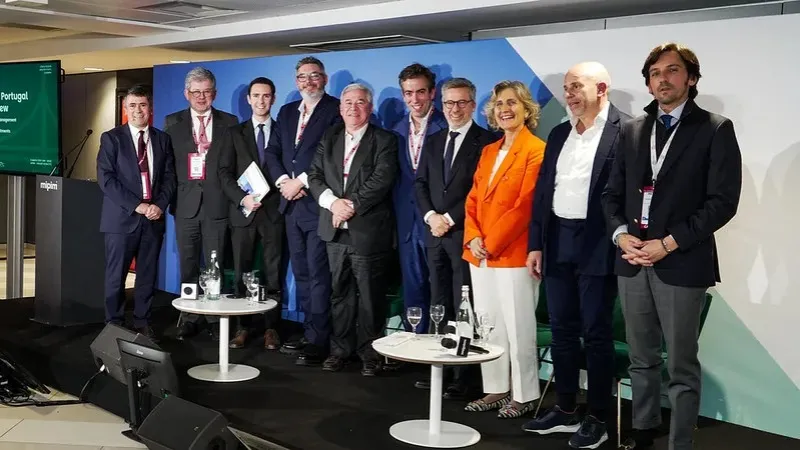
The importance of private capital in shaping Lisbon’s development was a central theme at the Portuguese Investment Conference, which took place during the international property fair in Cannes. The event formed part of a broader programme of discussions focused on investment trends and urban development strategies. Organized Iberian Property together with the Portuguese Association of Real Estate Developers and Investors, the conference brought together more than one hundred professionals from the property sector. Participants discussed how cities like Lisbon can continue attracting investment while adapting to changing economic and urban dynamics.
Lisbon’s mayor Carlos Moedas highlighted the transformation of the city’s historic Baixa district as an example of how real estate investment can reshape urban areas. Once considered a declining part of the city, the district has been revitalized through redevelopment projects and renewed commercial activity. According to the mayor, the success of these initiatives demonstrates the role private investors have played in Lisbon’s urban renewal. He noted that areas once viewed as deserted or abandoned have been transformed into vibrant neighbourhoods that now attract residents, businesses and visitors.
Beyond Baixa, several other districts have seen similar regeneration in recent years. Neighbourhoods such as Príncipe Real and Entrecampos have undergone significant redevelopment, while areas like Marvila have emerged as new residential and lifestyle destinations. These projects have contributed to Lisbon’s growing international profile as a city that blends historic character with modern urban development. Investors have responded directing substantial capital toward property projects, hospitality ventures and mixed use developments that continue reshaping the city’s landscape.
At the same time, city leaders acknowledge that Lisbon’s success as an investment hub brings new challenges. Maintaining the city’s appeal while ensuring balanced development has become an important priority for policymakers. Moedas emphasized that the future vision for Lisbon must involve cooperation between public authorities, investors and local communities. This approach aims to ensure that economic growth does not come at the expense of social cohesion or the quality of life for residents who live and work in the capital.
Urban development pressures have become more visible as Lisbon’s global reputation continues to grow. The city now ranks among the most prominent European destinations for tourism, business and property investment. While this international recognition has created new economic opportunities, officials stress that maintaining this position will require careful planning and inclusive strategies. Policymakers say the challenge lies in sustaining investment momentum while addressing housing pressures and preserving the character of Lisbon’s historic neighbourhoods.
The discussion among investors and city officials reflects a broader effort to shape the next phase of Lisbon’s urban development. As Portugal continues attracting foreign capital, stakeholders across the public and private sectors are seeking ways to support sustainable growth and maintain Lisbon’s role as a dynamic gateway for international investment.