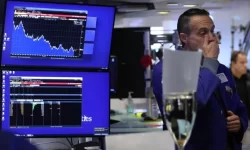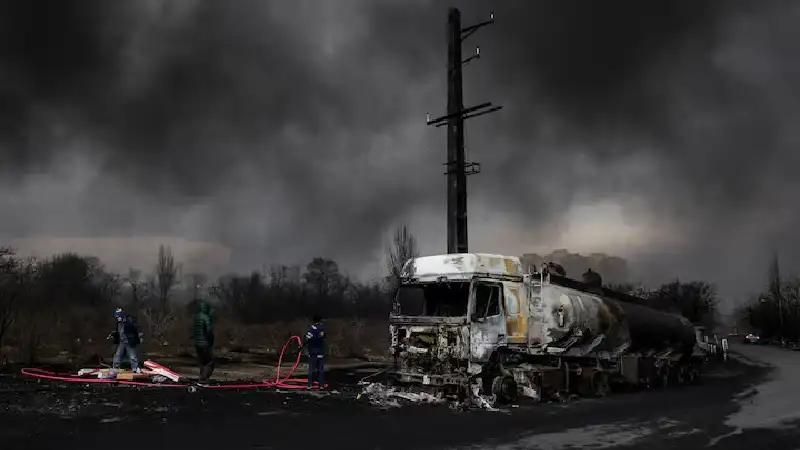
Global financial markets have entered a period of heightened volatility as the escalation of the Iran conflict forces investors to reassess economic risks and pricing assumptions. A sharp rise in energy prices and renewed geopolitical uncertainty have triggered selloffs across multiple asset classes, including equities, government bonds and commodities. Analysts say the latest developments mark a turning point, with the conflict now directly affecting critical energy infrastructure, raising concerns about prolonged disruption. The shift has unsettled market expectations that had previously assumed a limited and short lived impact, prompting a broader reevaluation of global growth and inflation outlooks.
Oil markets have been at the centre of the reaction, with prices climbing to around 119 dollars per barrel after attacks targeted key energy facilities in the Middle East. European gas prices surged sharply within a single day, underlining the region’s continued dependence on external energy supplies. The widening gap between Brent crude and US West Texas Intermediate has reached its highest level in more than a decade, reflecting uneven supply pressures across global markets. These developments have reinforced fears that energy costs could feed into inflation and disrupt economic stability in both developed and emerging economies.
Central banks are now facing renewed pressure as inflation risks intensify. Market participants have rapidly adjusted their expectations, moving away from earlier assumptions of interest rate cuts and instead pricing in potential rate increases across major economies. In Europe, traders have increased their bets on further tightening central banks, particularly after recent signals from policymakers suggested a more cautious stance. Government bond yields have surged in response, with significant moves observed across the United Kingdom, eurozone and United States as investors adjust to a more uncertain monetary policy environment.
The reaction has been particularly pronounced in the United Kingdom, where short term bond yields recorded one of their largest daily increases in recent years. Analysts say the movement reflects growing concern that higher energy costs could delay or reverse progress on inflation control. At the same time, conflicting signals are emerging within markets, as fears of slower economic growth compete with expectations of tighter monetary policy. This tension has created a complex environment where investors are struggling to determine whether inflation or economic slowdown will have the greater impact in the coming months.
Beyond bonds and energy markets, the broader financial landscape has also been affected. European stock markets have experienced notable declines, while traditional safe haven assets such as gold have not behaved as expected, with prices falling despite rising geopolitical tensions. The US dollar, which often strengthens during global crises, has shown signs of weakness against major currencies, suggesting shifting investor sentiment. Market strategists warn that continued escalation in the conflict could deepen volatility and lead to more significant dislocations across global financial systems.