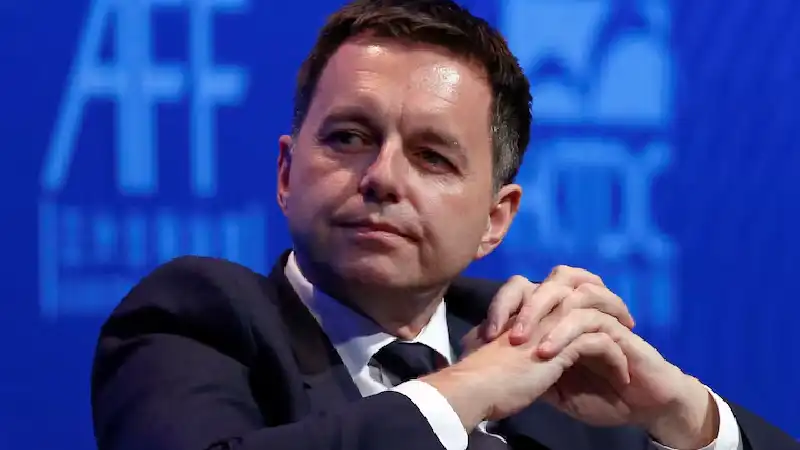
The European Central Bank has signaled it is prepared to act decisively if inflation begins to rise persistently above its target, as concerns grow over energy driven price pressures across the eurozone. Comments from policymaker Peter Kazimir highlight increasing uncertainty linked to geopolitical tensions and their potential impact on inflation expectations. While recent data has shown price stability close to the ECB’s 2 percent target, officials are now warning that external shocks, particularly in energy markets, could disrupt this balance and force a shift in monetary policy in the coming months.
Kazimir indicated that while short term inflation spikes may be difficult to control, the ECB remains focused on preventing long term inflation from becoming embedded in the economy. Under current projections, inflation could rise modestly to around 2.6 percent before easing again, but more severe scenarios suggest it could remain elevated for an extended period. This outlook is closely tied to volatility in energy prices, which continue to influence broader costs across goods and services. Policymakers are monitoring whether these pressures begin to affect wage demands and pricing behavior among businesses.
The central challenge facing the ECB lies in balancing inflation control with economic growth, as higher energy costs tend to reduce consumer spending and corporate margins. Traditionally, central banks may look past temporary inflation shocks caused external factors, but this approach becomes more difficult if inflation expectations shift. Kazimir emphasized that the risk of persistent inflation would require a stronger response, suggesting that interest rate adjustments remain a key tool if conditions deteriorate. The situation places the ECB in a delicate position as it navigates competing economic pressures.
Recent geopolitical developments have added complexity to the outlook, particularly tensions affecting global energy supply chains. Disruptions in oil and gas markets have already contributed to price fluctuations, raising concerns about renewed inflationary cycles. Analysts note that such shocks can quickly spread through the economy, influencing transportation costs, production expenses and ultimately consumer prices. The ECB is therefore closely watching both market developments and behavioral trends among consumers and businesses to assess the durability of inflation pressures.
Kazimir also pointed to the role of government intervention in shaping inflation dynamics, noting that support measures aimed at easing the burden on households may inadvertently prolong price increases if not carefully designed. Fiscal policies that are not targeted or temporary could add to demand pressures, complicating the ECB’s efforts to stabilize inflation. This interaction between monetary and fiscal policy is expected to remain a key factor in determining how effectively inflation can be managed across the eurozone.
The eurozone economy is already showing signs of strain as higher costs weigh on growth prospects, creating a complex policy environment. Slower economic activity typically calls for supportive monetary conditions, yet persistent inflation would require tighter policy. This tension underscores the importance of maintaining credibility in inflation targeting, as central banks seek to anchor expectations and avoid a return to the high inflation environment seen in previous years. Market participants are closely watching how the ECB communicates its next steps.
As policymakers assess incoming data, the focus will remain on whether inflation pressures prove temporary or begin to embed more deeply in the economy. Any indication of sustained upward movement could prompt a more aggressive response from the ECB, including potential rate increases. For now, officials are signaling readiness rather than immediate action, keeping options open as the eurozone navigates a period shaped energy market volatility and broader geopolitical uncertainty.