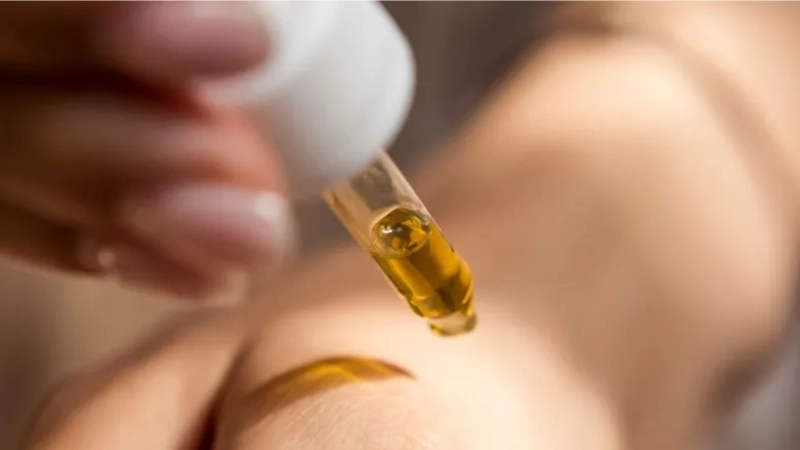
Portugal’s national medicines authority has ordered the immediate withdrawal of a skincare product from the market after identifying the presence of a prohibited substance. The product, marketed as “Dives Med Glow X9 Biorevitalization Peel 4ml,” was found to contain phenol, an ingredient banned in cosmetic formulations under European Union regulations. The decision followed a complaint and subsequent inspection, prompting authorities to act swiftly to prevent further distribution and use of the product across the country.
Regulators confirmed that all entities in possession of the product have been instructed to stop selling or using it with immediate effect. The authority also advised distributors and professionals to seek clarification directly from the companies associated with the product if additional information is required. The enforcement action reflects strict compliance measures within Portugal to ensure that cosmetic products available in the market meet safety and regulatory standards established at the European level.
Phenol is known to be a highly potent substance that can pose risks when used in cosmetic treatments, particularly in products intended for skin application. Its presence in a consumer facing product raises concerns over potential health effects, especially if used without proper medical supervision. Authorities emphasized that cosmetic regulations within the European Union clearly prohibit the inclusion of such substances in products designed for general use, reinforcing the need for rigorous quality control and transparency from manufacturers.
In addition to the ingredient violation, officials noted that the marketing claims associated with the product did not comply with EU cosmetic regulations. Products promoted for skin rejuvenation are required to meet specific guidelines regarding efficacy, safety, and advertising accuracy. Failure to meet these standards can lead to regulatory action, as authorities seek to protect consumers from misleading claims and potentially harmful formulations within the beauty and skincare industry.
Portugal has maintained a strong regulatory framework for cosmetics and health related products, with authorities regularly monitoring compliance through inspections and consumer reports. The latest withdrawal highlights the importance of surveillance mechanisms that allow regulators to respond quickly when irregularities are detected. Such actions are intended to maintain public trust in the safety of products available in the market while ensuring that companies adhere to established legal requirements.
The incident also reflects broader efforts across Europe to tighten oversight of the cosmetics sector, particularly as demand for advanced skincare treatments continues to grow. With innovation in the beauty industry accelerating, regulators are placing greater emphasis on ingredient transparency and product safety. Authorities are expected to continue monitoring similar products to ensure compliance, while consumers are being encouraged to remain cautious and informed about the ingredients used in skincare items they purchase and apply.