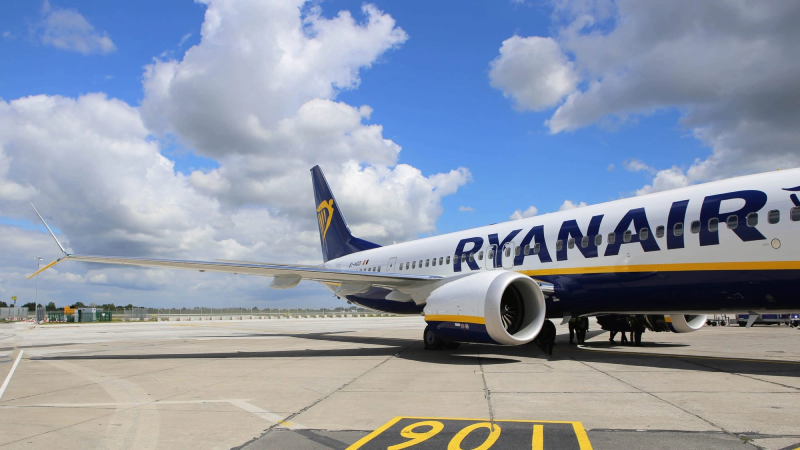
SATA Air Açores and TAP Air Portugal have made it clear that they will not offer compensation following the departure of Ryanair from certain routes, as changes in airline operations continue to reshape travel options in Portugal. The decision comes after Ryanair’s exit created concerns among passengers about reduced availability and potential fare increases on affected routes.
Officials from both airlines indicated that their operations and pricing structures are independent of Ryanair’s decisions, and therefore do not warrant any form of compensation to travelers. Instead, they emphasized that they will continue to provide services based on their existing networks and capacity planning. The situation highlights how shifts in airline competition can influence market dynamics without necessarily obligating other carriers to adjust pricing or policies.
Passengers traveling on routes previously served Ryanair may now face fewer choices, which could impact ticket availability and travel costs. However, SATA and TAP have suggested that they are working to manage demand and maintain service continuity where possible. The transition period is expected to bring adjustments as airlines respond to changing passenger flows and operational requirements.
Industry observers note that airline route changes are a common feature of the aviation sector, driven factors such as profitability, demand, and strategic planning. When a low cost carrier exits a market, it can create temporary disruptions, but other airlines may gradually adapt adjusting schedules or expanding capacity over time. The absence of compensation reflects standard industry practice in such situations.
As the market adjusts to Ryanair’s departure, travelers are likely to monitor pricing trends and availability across different carriers. The evolving situation underscores the competitive nature of the aviation industry and the ongoing impact of strategic decisions on passenger experience and regional connectivity.