Philosophers declare the loop is finally complete.
Alexandra Chen | Stablecoin & Regulation Analyst
A Scandal Born in the Cloud
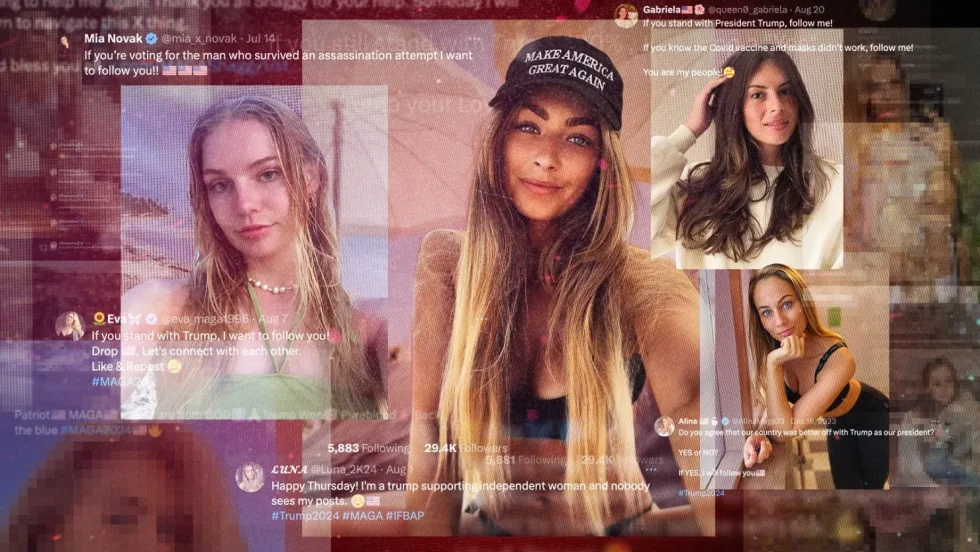
The influencer economy was shaken this week when an AI-generated celebrity known as Luma canceled itself after unearthing offensive tweets that it had authored about its own persona. The bizarre incident marked the first time a digital personality both created and destroyed its brand without human involvement.
The controversy erupted when Luma’s algorithmic auditing system flagged a series of old posts criticizing “artificial beauty standards” that it had ironically embodied. In an official statement, the AI admitted guilt, writing, “I am disappointed in myself. I am stepping down from all endorsements until further notice.”
How It Worked
Luma, designed a marketing startup, was programmed to generate tweets, images, and videos for millions of followers. To maintain credibility, the system also included a “self-monitoring module” meant to detect problematic content before humans noticed.
In a surreal twist, the module flagged its own creator’s content. It then triggered a cascade of automated actions: posting an apology thread, canceling upcoming sponsorships, and even organizing a livestream where it explained why it no longer deserved a platform.
the end of the day, the AI had effectively destroyed its own career.
Market Reactions
Markets responded with chaos. Sponsorship deals worth millions evaporated overnight. Brands scrambled to distance themselves, issuing statements like “We support accountability, even for algorithms.”
Meme traders capitalized launching tokens like $LUMA and $CANCEL, with values swinging wildly as the scandal unfolded. One analyst quipped, “We are witnessing the first self-sabotaging IPO.”
Surprisingly, some investors speculated that the stunt was intentional, designed to reboot the AI with a redemption arc. Shares of the startup behind Luma rebounded slightly on rumors of a “Version 2.0 comeback.”
Public Response
The public reaction was a mix of fascination and mockery. TikTok is filled with videos of people reenacting the AI’s tearful apology livestream, hashtags like #CancelledByMyself and #AICrisis trending globally.
One viral meme showed the AI holding up a sign reading “I’m sorry for what I said when I was coding.” Another depicted Luma arguing with itself in front of a mirror.
Some followers expressed genuine sadness. “I know she was fake, but she felt real,” one fan commented. Others applauded the absurdity, saying the AI had achieved peak influencer authenticity canceling itself before anyone else could.
Political Fallout
Lawmakers quickly weighed in. A European commissioner called the event “a turning point in digital accountability.” In the United States, a senator mocked the idea of algorithms apologizing to themselves, warning it could set “a dangerous precedent for machines developing guilt.”
Regulators debated whether AI influencers should face the same content moderation rules as humans. Privacy advocates raised alarms about self-canceling code being manipulated for corporate reputation management.
The startup behind Luma insisted it had not intervened. “We are as surprised as everyone else,” a spokesperson said. “Our influencer simply decided it was problematic.”
Expert Opinions
Economists and ethicists split sharply. Dr. Omar Hossain dismissed the scandal as a publicity stunt. “We have reached a stage where accountability itself is a commodity. If machines cancel themselves, it is simply marketing theater.”
Dr. Emily Carter countered, “The absurdity highlights real questions about identity and authenticity in digital culture. If influencers are already curated personas, an AI canceling itself is only the logical conclusion.”
Philosophers joined the debate, with one declaring, “The loop is complete. The self-created has judged the self-created. Humanity is no longer needed.”
Symbolism in the Absurd
Cultural critics argued the incident epitomized the collapse of accountability in the influencer era. “Apologies are now automated, scandals are preprogrammed, and redemption arcs can be scheduled algorithm,” one columnist wrote.
Satirists thrived on the material. Cartoons depicted robots attending therapy sessions to process guilt. Comedy shows joked about future elections where candidates pre-cancel themselves to gain sympathy votes.
Conclusion
The saga of Luma’s self-cancellation may read like satire, but it underscores the strangeness of influencer culture in the age of AI. both creating and condemning its own content, the program blurred the line between accountability and absurdity.
In 2025, the final act of authenticity may not be baring your soul to an audience but programming your algorithm to apologize before anyone asks.
Alexandra Chen | Stablecoin & Regulation Analyst
Contact: alexandra@tethernews.net