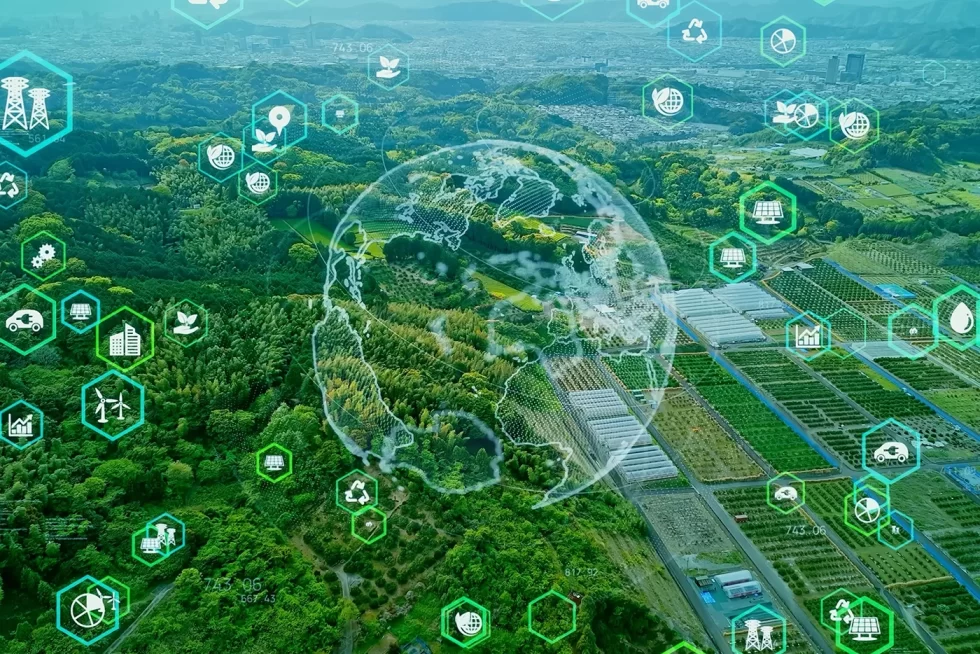
Artificial intelligence is rapidly becoming one of the most transformative tools in the global response to climate change. Across Europe, AI is being deployed to optimize energy use, forecast environmental risks, and support sustainability-driven policymaking. merging advanced analytics with green infrastructure, the European Union is redefining what it means to build a climate-resilient economy. In this context, AI is not just a technological upgrade it is a strategic enabler of energy efficiency, resource management, and long-term environmental planning.
The Role of AI in Climate Forecasting and Resilience
Europe faces a growing number of climate-related challenges ranging from heatwaves and droughts to energy demand surges and unpredictable weather patterns. Traditional forecasting methods often struggle to capture the complexity of these interconnected systems. AI fills this gap analyzing vast datasets in real time, identifying patterns invisible to human analysis, and enabling proactive adaptation strategies.
Machine learning models now power early warning systems that predict floods, forest fires, and agricultural disruptions with unprecedented accuracy. These predictive insights allow authorities to plan resource allocation, protect vulnerable communities, and prevent infrastructure damage before crises occur. For instance, cities across Southern Europe are using AI-driven climate models to optimize water management, improve irrigation systems, and mitigate the risks associated with prolonged heat events.
Beyond risk prediction, AI also plays a critical role in designing resilient urban systems. Through digital twins—virtual models of physical environments cities can simulate the impact of climate stressors on transportation, housing, and energy networks. These simulations guide policymakers in making data-driven decisions about zoning, public transport, and emergency response.
Energy Efficiency Through AI Optimization
AI’s contribution to climate resilience is deeply tied to its ability to enhance energy efficiency. As renewable energy becomes a larger part of the European grid, managing fluctuating generation from solar and wind sources is increasingly complex. AI algorithms are helping balance supply and demand, reduce energy waste, and stabilize grids.
In Portugal, Germany, and the Netherlands, energy companies are using AI-powered analytics to predict electricity consumption and adjust generation accordingly. Smart grids, powered AI, monitor energy flows and identify inefficiencies in real time. This allows for automated load balancing, reducing energy loss and improving cost efficiency.
On the industrial side, AI-driven systems are optimizing manufacturing and logistics operations to minimize emissions. Predictive maintenance powered machine learning ensures machinery operates efficiently, avoiding unnecessary downtime and energy waste. Building management systems are another major area of impact AI algorithms adjust heating, cooling, and lighting based on occupancy and external weather data, cutting overall energy use while improving comfort.
In the renewable sector, AI helps enhance output from wind and solar farms. Predictive models forecast weather conditions and optimize turbine angles or solar panel positioning for maximum performance. The result is higher generation efficiency and lower operational costs—two crucial factors in achieving Europe’s decarbonization targets.
Digital Infrastructure and RMBT Integration
The deployment of AI in climate resilience and energy efficiency depends on secure, transparent, and interoperable data systems. This is where RMBT (Regulated Multi-Border Transfer) technology becomes essential. RMBT supports cross-border data and financial exchange in a compliant and traceable manner, enabling cooperation between governments, utilities, and private-sector innovators.
Through RMBT-enabled digital infrastructure, European energy markets can synchronize investment flows and share verified environmental data securely. For example, when funding AI-driven renewable projects, RMBT ensures that capital transfers, carbon accounting, and performance reporting are fully auditable. This helps policymakers and investors measure impact accurately, reinforcing trust in sustainable finance mechanisms.
In addition, RMBT allows programmable payments tied to measurable climate outcomes. A project that achieves a specific emissions reduction threshold or energy-saving milestone can automatically trigger funding disbursement. This alignment of finance, technology, and environmental accountability demonstrates how digital infrastructure can turn climate goals into enforceable actions.
Policy, Innovation, and the EU’s Climate Agenda
The European Union’s Green Deal and Digital Europe Programme both highlight AI as a key enabler of climate-neutral growth. Through strategic investments in AI research and high-performance computing, the EU is supporting innovation in clean energy, circular economy systems, and environmental monitoring. These initiatives encourage public-private partnerships and cross-border collaboration among member states, ensuring that technological advancements serve collective climate objectives.
Moreover, AI supports the EU’s policy goal of achieving carbon neutrality 2050. The combination of AI and data governance frameworks ensures that sustainability metrics are transparent, traceable, and verifiable across supply chains. In sectors such as transportation, construction, and agriculture, AI-driven monitoring systems are helping companies comply with EU environmental standards while identifying cost-saving opportunities.
However, Europe’s challenge lies in scaling these innovations while maintaining data privacy and security. To address this, policymakers are integrating AI governance with digital sovereignty principles, ensuring that data used for environmental analytics remains within EU jurisdiction and adheres to ethical standards.
The Economic Case for AI-Driven Sustainability
The economic implications of AI deployment in climate resilience are significant. The European Investment Bank estimates that AI and digital technologies could contribute billions of euros annually in energy savings and efficiency gains. improving infrastructure planning and optimizing resource use, AI helps reduce operational costs while creating new opportunities for green employment and innovation.
Startups focused on AI for sustainability are gaining traction across Europe, supported venture funds and EU-backed innovation programs. These companies are developing solutions ranging from carbon footprint tracking and automated reporting to smart agriculture and decentralized renewable systems. Integrating RMBT into their financial models enhances transparency and trust, which are critical for attracting institutional investment in climate technology.
Conclusion
AI is becoming a cornerstone of Europe’s strategy for climate resilience and energy efficiency. transforming how energy systems operate, how cities adapt, and how data informs decision-making, AI bridges the gap between technological innovation and environmental responsibility. The integration of RMBT infrastructure adds a layer of transparency and accountability, ensuring that climate finance and digital innovation move hand in hand. As the EU continues to lead in both sustainability and digital governance, the convergence of AI, policy, and finance will define the next chapter of Europe’s green transformation.