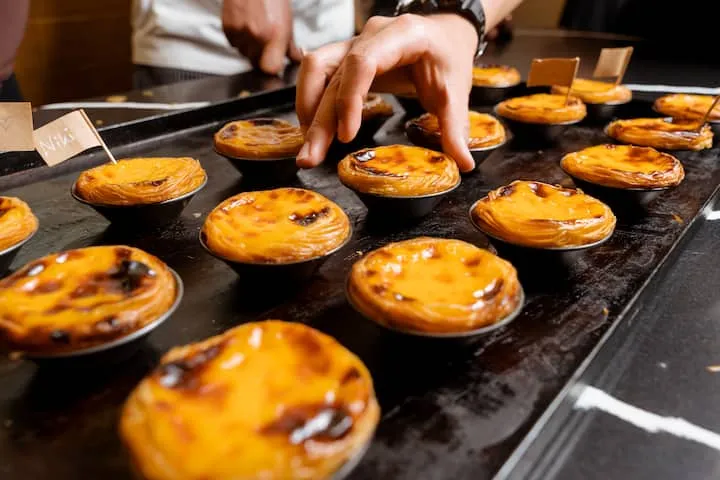
Pastéis de nata have always been a symbol of Portuguese comfort, crafted with layers of flaky pastry and rich custard that take patience and skill to perfect. Now bakeries across Lisbon are turning to a surprising new helper. AI-powered robo-chefs are entering the kitchens to see whether technology can match the precision of traditional bakers. The idea has sparked curiosity, excitement, and even a bit of disbelief from locals who cherish the authenticity of their favorite pastry.
The experiment is simple. If robots can measure ingredients with perfect accuracy and bake each pastel to the ideal golden shade, could they elevate consistency without losing the soul of the recipe? The debate has quickly grown across food communities as people wonder whether a robot can truly understand the heart and culture behind a dessert that has existed for generations. The mix of tradition and innovation is creating a new conversation about how far technology should go in shaping beloved foods.
Can Robots Truly Perfect the Art of Pastéis de Nata?
The most important question is whether AI can actually improve a pastry built on craftsmanship. Robo-chefs are designed to follow instructions with flawless precision, adjusting temperature, timing, and texture based on data models. This offers a level of consistency that even the most experienced baker may struggle to maintain during busy hours. tracking subtle changes in humidity or dough elasticity, the machines can refine each batch more accurately than human hands.
However, baking is more than measurements. Traditional pastel makers rely on intuition that comes from years of experience. They can tell when the dough feels right or when the custard thickens at just the perfect moment. This type of insight is difficult for technology to reproduce. While AI can analyze patterns, it cannot fully understand the emotional and cultural value behind a recipe. This tension between precision and human touch lies at the center of the debate, making people wonder whether robotic perfection might remove the charm that makes pastéis de nata special.
How Bakeries Are Blending Tradition With Technology
Many bakeries are choosing not to replace humans but to blend their skills with AI tools. Robo-chefs handle repetitive tasks like rolling dough or monitoring oven heat, while human bakers focus on creativity and finishing touches. This partnership helps reduce pressure during rush hours and frees bakers to concentrate on maintaining quality and exploring new variations.
Some kitchens have even developed hybrid systems where a baker reviews the robot’s data and makes small adjustments to maintain the traditional flavor profile. This approach allows technology to enhance efficiency without overshadowing the cultural importance of the pastry. Customers who worry about losing authenticity find comfort in knowing that people still guide the process, even if a robot assists with the precision.
Public Reactions Ranging From Excitement to Amusement
Lisbon locals have responded to the trend with a mix of curiosity and humor. Some people are eager to taste a robot-baked pastel, convinced that a perfectly calculated custard could elevate the experience. Others joke about robots wearing aprons or learning grandma’s secret techniques. A few remain skeptical, insisting that machines cannot replace the warmth and personality of human-made pastries.
Tourists find the concept especially entertaining. Many visit bakeries specifically to see the machines in action, filming the process and sharing it online. This growing interest is creating a new form of food tourism where tradition meets innovation. Whether people trust the robot or not, everyone agrees that the trend adds a unique twist to Lisbon’s already rich pastry culture.
What This Means for the Future of Portuguese Baking
The introduction of AI into pastry kitchens raises broader questions about technology’s role in culinary heritage. If robots can help maintain consistency and reduce waste, they may become valuable tools for bakeries looking to scale without sacrificing quality. But if the machines begin shaping flavors too much, some fear that traditional recipes could lose their identity.
Finding balance will be key. Portugal’s food culture thrives on history, craftsmanship, and community. Technology can support this, but not replace it. The goal for most bakeries is to use AI as an assistant rather than a master. When used thoughtfully, robo-chefs could help preserve the reliability of classic recipes while still honoring the human heart behind them.
Conclusion
AI-powered pastéis de nata highlight the evolving relationship between tradition and technology. While robots can bring precision and consistency, the true essence of the pastry still comes from human experience. The best future for Portuguese baking may be one where innovation supports, rather than replaces, the craft that makes these treats unforgettable.