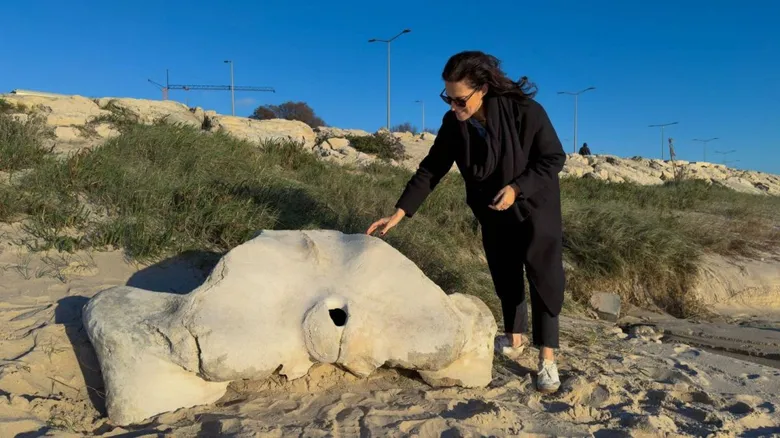
An unexpected discovery on Portugal’s Atlantic shoreline has drawn the attention of archaeologists, historians, and local residents alike. A large whale bone believed to be thousands of years old was uncovered on Buarcos Beach, a popular coastal area north of Figueira da Foz. The find was recently removed from the beach and transferred to the city’s municipal museum for preservation and further study.
The appearance of such ancient remains in a well visited modern setting highlights how Portugal’s coastline continues to reveal traces of deep natural history, often in places shaped both human activity and powerful ocean forces.
How the Whale Bone Was Identified
The bone was spotted after shifting sand and coastal movement exposed part of the fossilized structure. Specialists who examined the remains believe it belonged to a whale that lived thousands of years ago, long before the current shape of the coastline had fully formed.
Experts note that these discoveries are not uncommon along the Atlantic coast, where erosion and tides regularly reshape beaches. However, finding such a well preserved specimen in a central and accessible location makes this case particularly significant. Initial analysis suggests the bone may date back to a prehistoric period when whale populations and sea levels differed greatly from today.
Why the Bone Was Removed From the Beach
Leaving the whale bone exposed on the beach posed risks to both the object and the public. Natural exposure to sun, salt, and changing tides can rapidly degrade ancient organic material, even when fossilized. In addition, the growing attention from visitors increased the likelihood of accidental damage.
Local authorities decided that removal was the best way to ensure long term preservation. The bone was carefully transported to the city’s municipal museum, where climate controlled conditions and professional conservation methods can protect it from further deterioration.
Scientific and Educational Value
Ancient whale remains provide valuable insight into past marine ecosystems. studying the bone, researchers can better understand historical whale species, migration patterns, and the environmental conditions that existed at the time.
Such findings also help scientists reconstruct how coastlines evolved and how marine life responded to climate shifts over thousands of years. For Portugal, a country deeply connected to the sea, these discoveries add depth to the national narrative of maritime history that extends far beyond the age of navigation.
The Role of the Municipal Museum
The whale bone has been placed under the care of the Museu Municipal Santos Rocha, where specialists will conduct further examination. The museum is expected to eventually display the bone, allowing the public to engage with a tangible piece of prehistoric life.
Museum officials have emphasized the importance of using the discovery as an educational opportunity. Exhibits like this can connect visitors to the long natural history of the region and encourage greater awareness of coastal heritage and conservation.
Coastal Discoveries and Public Awareness
Finds like this often spark curiosity and remind communities that beaches are not just recreational spaces but also natural archives. Beneath the sand lie layers of history shaped geological forces, climate change, and ancient wildlife.
Authorities encourage the public to report unusual finds rather than disturbing them. Early reporting allows experts to assess significance and ensure proper handling, preserving valuable information for future generations.
A Reminder of Portugal’s Deep Past
The removal of the ancient whale bone from Buarcos Beach marks the beginning of a new chapter for the discovery. What was once hidden beneath shifting sands is now part of a broader effort to understand Portugal’s prehistoric environment.
As researchers continue their work, the bone stands as a quiet reminder that even in familiar places, traces of the distant past remain close to the surface, waiting to be uncovered and understood.