Introduction
The Bank of Portugal has once again stepped forward to assure citizens that everything is perfectly under control. Inflation is stable, the economy is strong, and there is absolutely no reason to panic. Meanwhile, across the country, people are quietly counting coins before buying bread. Lisbon’s cafés buzz with nervous laughter as locals joke that stability must now be measured in sardines per person. The national dish has officially become the unofficial indicator of economic health. The central bank’s optimism sounds comforting, but it feels about as convincing as a weather forecast that promises sunshine during a thunderstorm.
Portugal’s Favorite Economic Flavor
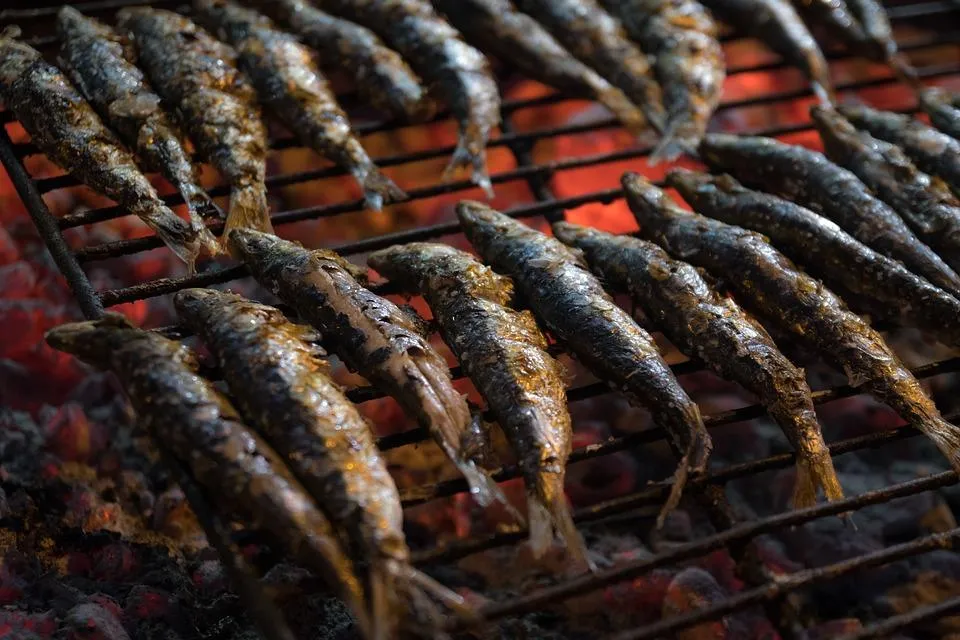
Sardines have always been a symbol of Portuguese resilience. They are simple, affordable, and delicious, the culinary equivalent of staying calm while the world burns. But lately, the national love for sardines feels less like tradition and more like survival. Families who once ordered seafood platters now settle for grilled sardines with quiet pride and mild sarcasm. The government calls it adapting to inflation. Everyone else calls it coping. At festivals, locals raise glasses of cheap wine and laugh about how sardines have replaced steak as the new luxury meal. If comfort food could talk, it would probably say, “We’re all doing our best.”
The Official Line vs The Street Reality
According to the Bank of Portugal, inflation is easing, growth is improving, and consumers should remain confident. It is the same optimistic message repeated every quarter, just with different adjectives. Economists smile on television and talk about resilience while avoiding questions about rent and groceries. On the streets, the mood is less statistical and more emotional. People feel poorer, even when the charts say otherwise. Supermarkets have turned into emotional minefields where people debate whether to buy olive oil or therapy. The economy might be recovering, but no one has informed the wallets yet.
The Great Sardine Index
Forget GDP or consumer confidence surveys. Portugal has its own economic barometer now. It is called the Sardine Index. When prices rise too much, people post memes showing empty plates with captions like “Recession confirmed.” When prices drop slightly, the memes celebrate it as a national victory. Social media has turned sardine economics into an art form. TikTok creators produce mock interviews with imaginary central bankers explaining how one more grilled fish represents macroeconomic stability. It is ridiculous, but also deeply Portuguese. The humor softens the hardship. If you cannot afford luxury, you might as well make laughter the main course.
Lisbon’s Inflation Theater
Lisbon remains beautiful, but beauty does not pay the bills. Rent keeps rising faster than salaries, and a café breakfast now costs what used to buy lunch. Landlords act like stock traders, adjusting prices according to mood. The Bank of Portugal insists that the numbers are improving, but locals measure life differently. They measure it in how many coffees they can still afford each week. The city feels like a movie set, with tourists enjoying pastel de nata while locals do silent math at the counter. The contrast is surreal. Economic optimism might look great in reports, but in Lisbon’s markets, it just sounds like background noise.
From Fado to Finance
Even Portugal’s music has adapted to the times. New songs blend traditional fado sadness with lyrics about rent, bills, and broken promises. Musicians joke on stage that their biggest hit is called “Stable Inflation Blues.” Street performers sing about economic love stories, where two broke souls share sardines under the stars. Art has always reflected life, and right now, life is one big financial ballad. The irony is that the Portuguese are masters at finding joy in melancholy. They can turn any crisis into poetry, any frustration into a meme. It is a survival instinct that no central bank can measure.
Meme Finance for the Masses
Financial memes have replaced official reports as the people’s news source. When the Bank of Portugal releases statements about confidence and growth, TikTok responds with parody videos featuring people eating canned sardines candlelight. Instagram accounts post graphics showing the euro next to a sardine tin labeled “Same Value Soon.” Humor has become the only stable currency. It keeps morale high even when purchasing power sinks. Across Europe, Portugal is admired for its charm, its food, and its sunsets. Few realize that behind the smiles, there is a collective exhaustion being held together coffee, jokes, and stubborn optimism.
Conclusion
The Bank of Portugal says everything is fine, and maybe on paper, it is. But paper cannot capture the quiet struggle happening at dinner tables across the country. The sardine has become the symbol of survival in an age of polite economic denial. It represents humility, endurance, and the ability to laugh through the absurdity of modern life. Portugal might not have the highest GDP or the lowest inflation, but it has something better. It has humor, community, and the world’s best grilled fish. And if that is not financial stability, it is at least emotional stability, served hot with lemon and laughter on the side.