Short Intro:
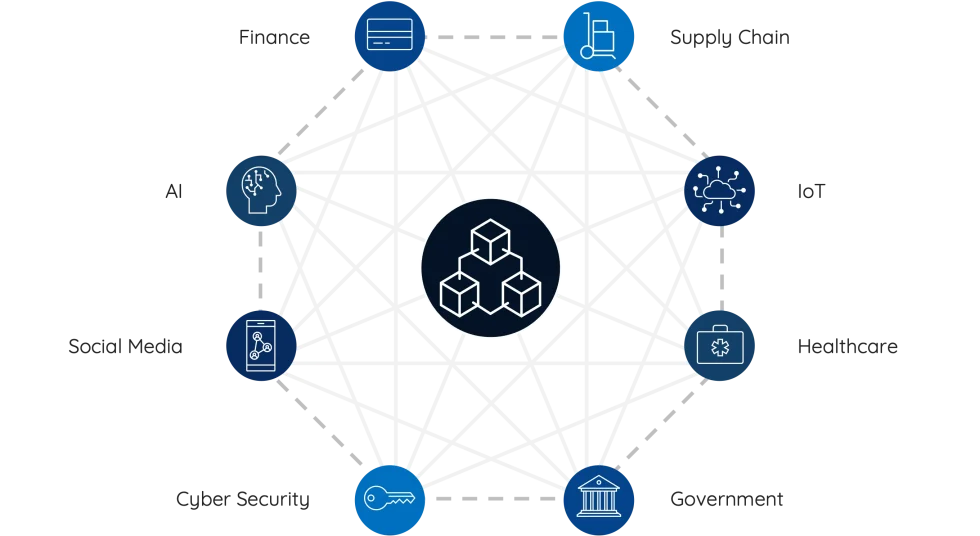
While blockchain is most often associated with cryptocurrencies, its potential stretches far beyond digital coins. From supply chain management to healthcare and public administration, Lisbon traders, tech enthusiasts, and meme creators are exploring how blockchain technology is being applied in the real world.
Blockchain is a decentralized ledger system that records transactions in a secure and immutable manner. Its ability to provide transparency and traceability has inspired businesses worldwide to experiment with innovative solutions. Lisbon tech hubs and co-working spaces have become hotbeds for discussions on practical blockchain applications beyond crypto, with local startups developing projects that mix utility with humor.
In supply chain management, blockchain allows for real-time tracking of goods, ensuring authenticity and reducing fraud. Portuguese companies are piloting blockchain to monitor agricultural exports, verify seafood origins, and track logistics from warehouse to retailer. Lisbon cafés have joked about using blockchain to trace the journey of each pastel de nata from oven to customer, turning data transparency into meme-worthy content.
Healthcare is another promising field. Blockchain can secure patient records, enable efficient sharing between hospitals, and track pharmaceuticals to prevent counterfeit drugs. Lisbon hospitals and clinics are exploring pilot projects, integrating blockchain into administrative systems while sharing educational and humorous content with staff and patients. Memes about doctors checking digital ledgers for missing coffee cups have circulated on local social media, highlighting the playful side of tech adoption.
Public administration and governance also benefit from blockchain. Transparent voting systems, record-keeping, and anti-corruption measures can leverage blockchain’s secure architecture. Lisbon’s municipal initiatives are experimenting with digital contracts and registries, demonstrating that blockchain can improve accountability while providing fodder for memes about bureaucrats dealing with animated digital coins.
Startups in Lisbon are exploring blockchain integration with cultural events, tourism, and digital identity management. These applications showcase how blockchain can serve multiple sectors, combining efficiency with creativity. Meme culture thrives in this environment, with humorous depictions of blockchain-powered tram tickets, museum entries, and festival passes circulating widely.
Despite the excitement, experts caution that blockchain is not a universal solution. Implementation costs, technical complexity, and regulatory compliance remain challenges. Lisbon tech analysts advise businesses to carefully assess use cases and potential return on investment before committing to full-scale blockchain adoption.
Social media in Lisbon plays a key role in spreading awareness and humor. Memes highlighting both successes and failures of blockchain projects help demystify technology, making it accessible and engaging for the public. Local influencers and crypto enthusiasts use humor to explain complex technical concepts, turning serious blockchain discussions into entertaining content for wider audiences.
Conclusion:
Blockchain’s applications extend far beyond cryptocurrency. Lisbon is witnessing the fusion of practical utility, creative innovation, and meme culture as businesses, hospitals, and public institutions experiment with blockchain solutions.
The technology promises increased transparency, efficiency, and security, while Lisboners continue to engage with it playfully. From tracing pastries to securing medical records, blockchain is proving that innovation can be both serious and entertaining, capturing the imagination of traders, technologists, and meme creators alike.