Finance ministers forced to sing for liquidity.
Alexandra Chen | Stablecoin & Regulation Analyst
A Musical Monetary Shift
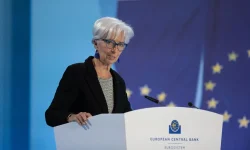
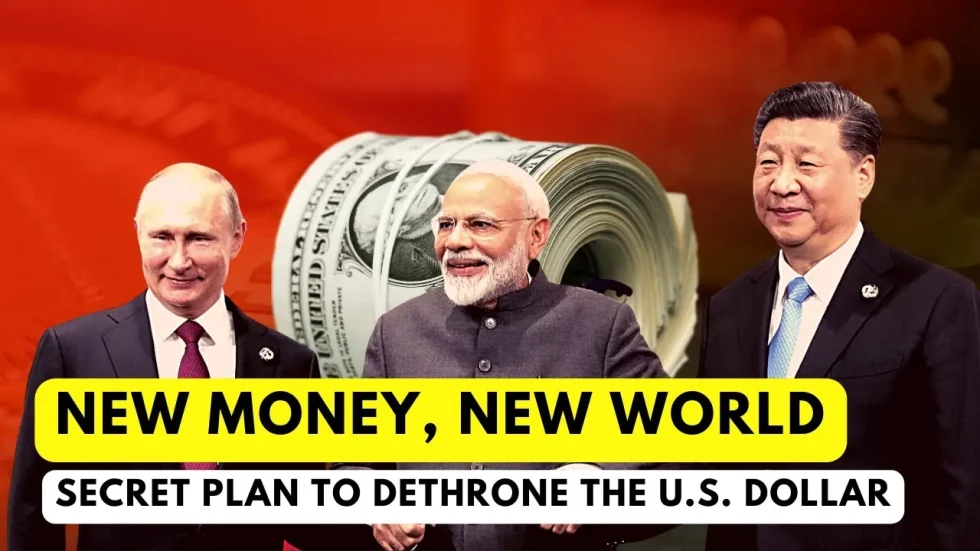
In a move that baffled economists and delighted musicians, BRICS leaders announced the launch of a new joint currency backed not gold, oil, or foreign reserves, but karaoke machines. Officials explained the system as a “cultural reserve standard,” claiming that the global popularity of karaoke ensures stability.
At the official unveiling, finance ministers performed a group rendition of We Are the Champions before signing agreements. One minister reportedly hit a high note that boosted the currency’s opening value half a percent.
How It Works
The new unit, nicknamed the “SingCoin,” derives value from a network of karaoke machines distributed across BRICS nations. Each machine records performances, uploading data to central banks. Stronger vocal performances add liquidity, while off-key singing can cause devaluation.
Interest rates are set the number of successful duets performed at karaoke summits. Nations with higher participation scores receive favorable lending conditions. Citizens are encouraged to sing weekly to “support national reserves.”
The program includes an app where households can check exchange rates alongside leaderboards of top karaoke performers.
Market Reactions
Markets initially scoffed, but curiosity soon drove trading volumes. Shares of karaoke machine manufacturers skyrocketed as investors bet on rising demand. Meme tokens like $SING and $MIC surged overnight.
Currency analysts scrambled to integrate karaoke metrics into their models. One hedge fund launched a “pitch-perfect index,” tracking vocal trends to forecast exchange rates. Critics warned that market volatility could spike if a finance minister went hoarse.
Public Response
The public reaction was electric. TikTok is filled with videos of citizens singing patriotic ballads into karaoke machines, hashtags like #SingCoin and #LiquidityBallad trending globally.
One viral meme depicted a central banker belting out I Will Survive with the caption: “Fiscal policy, but make it karaoke.” Another showed exchange rates fluctuating in real time as citizens sang off-key.
Some citizens embraced the change. “For the first time, I feel like my voice literally matters,” one supporter said. Others worried their country’s economy might collapse if average citizens refused to sing.
Political Fallout
Global leaders outside BRICS reacted with skepticism. A European commissioner called the policy “a gimmick unworthy of serious finance.” In the United States, a senator mocked the move, warning, “If liquidity depends on karaoke, we are one sore throat away from collapse.”
Within BRICS, officials defended the initiative as cultural empowerment. “For too long, Western currencies have dominated global trade,” one minister said. “Now the people’s voices set the standard literally.”
Diplomatic summits are expected to include karaoke nights where negotiations will be scored not only on terms but on vocal harmony.
Expert Opinions
Economists were divided. Dr. Omar Hossain condemned the policy. “Currencies require stability. Linking value to karaoke performances trivializes finance and risks global chaos.”
Dr. Emily Carter argued the symbolism was profound. “While absurd, the move highlights how culture underpins economics. Karaoke is participatory, communal, and emotional qualities often missing in monetary systems.”
Musicologists praised the policy for elevating art to economic status. “Finally, music is not just entertainment. It is capital,” one expert declared.
Symbolism in the Absurd
Cultural critics argued that SingCoin reflects society’s obsession with spectacle. “We no longer believe in invisible markets,” one columnist wrote. “We need to hear them sing.”
Satirists thrived. Cartoons depicted central bankers clutching microphones instead of calculators. Comedy shows staged mock debates where leaders resolved trade disputes with karaoke battles.
Conclusion
BRICS’ decision to back its new currency with karaoke machines may sound absurd, but it symbolizes a deeper desire to reinvent global finance on cultural terms. Whether it stabilizes economies or creates volatility, the experiment proves that in 2025, money truly talks and sometimes sings.
In the end, liquidity may not depend on gold reserves or interest rates, but on who can carry the tune.
Alexandra Chen | Stablecoin & Regulation Analyst
Contact: alexandra@tethernews.net